
Whole-system duct and dryer vent check with before-and-after photos - you see exactly what came out of your vents
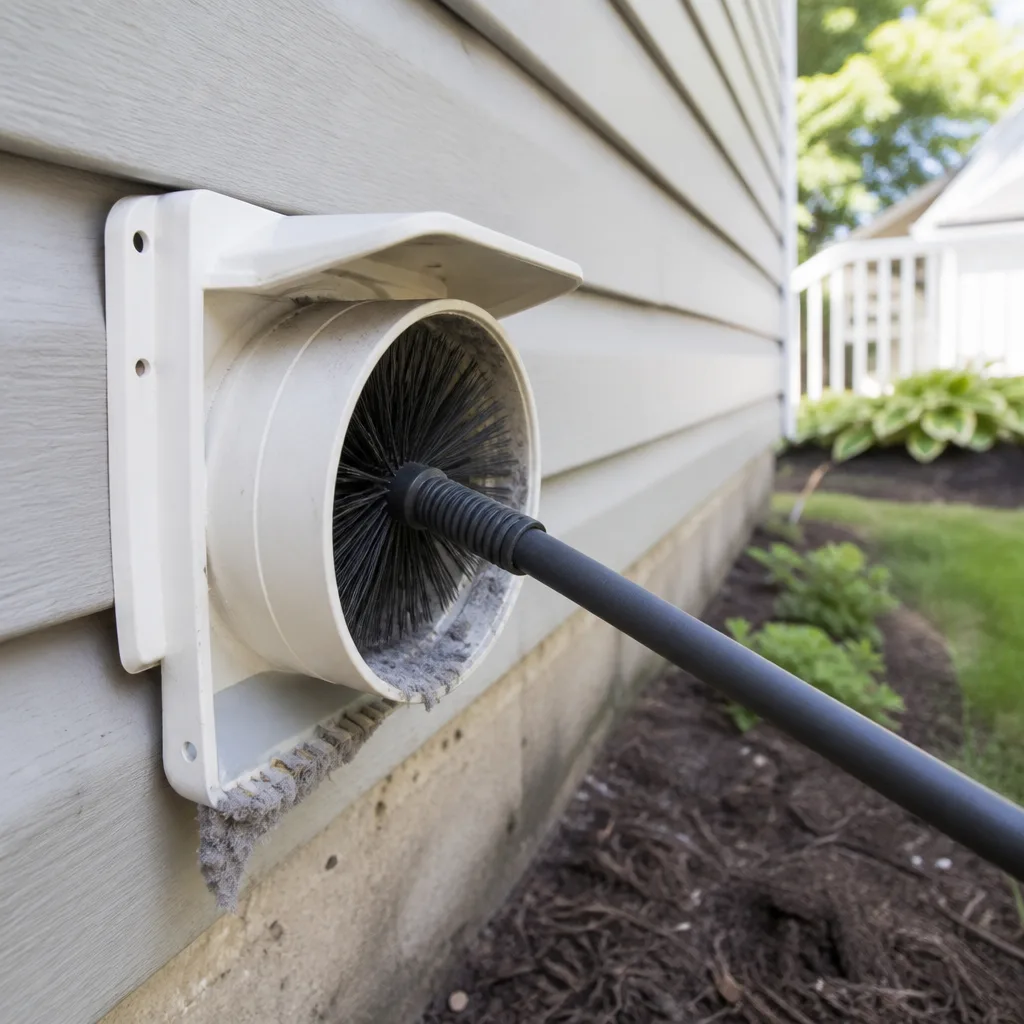
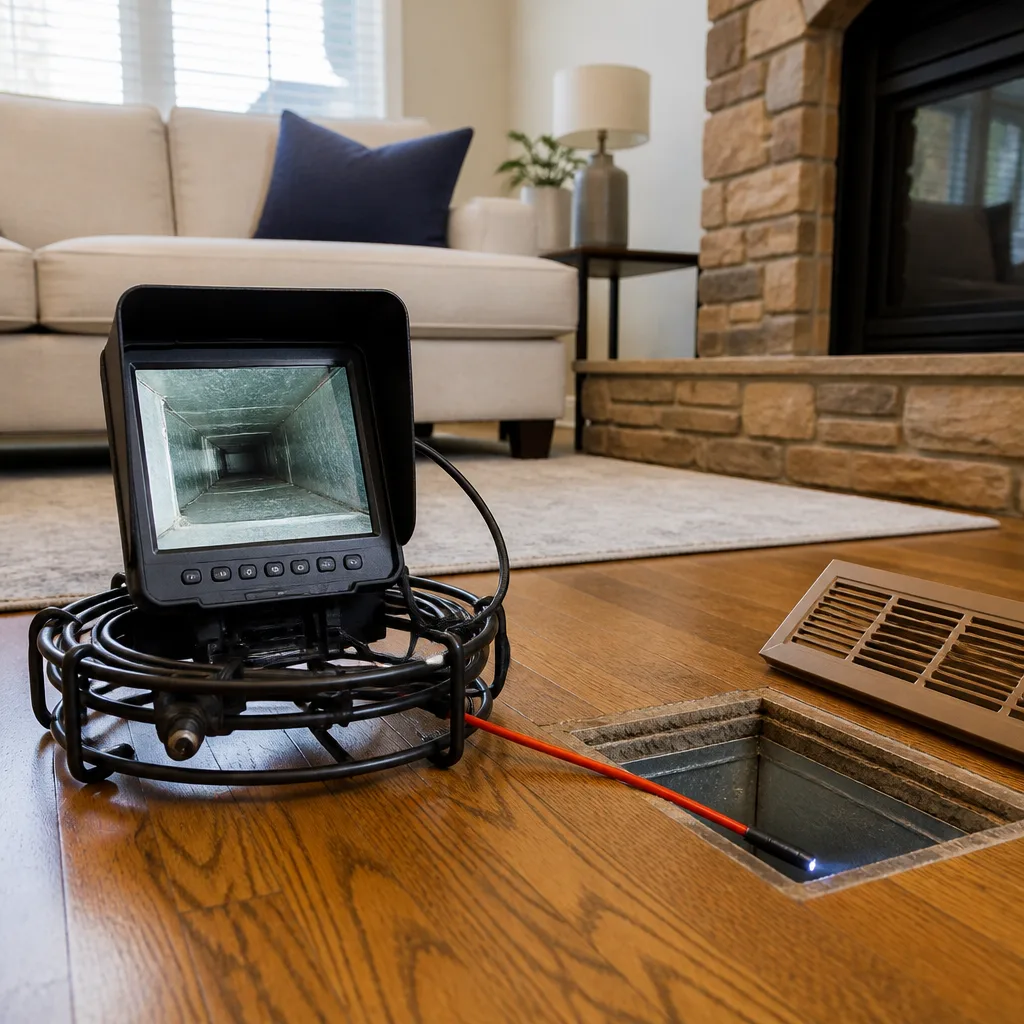
That "$99 whole-house special" is a bait ad - the real number appears once they are in your hallway, or the "clean" is a shop-vac at the register. We photograph the inside of your ducts before and after instead.
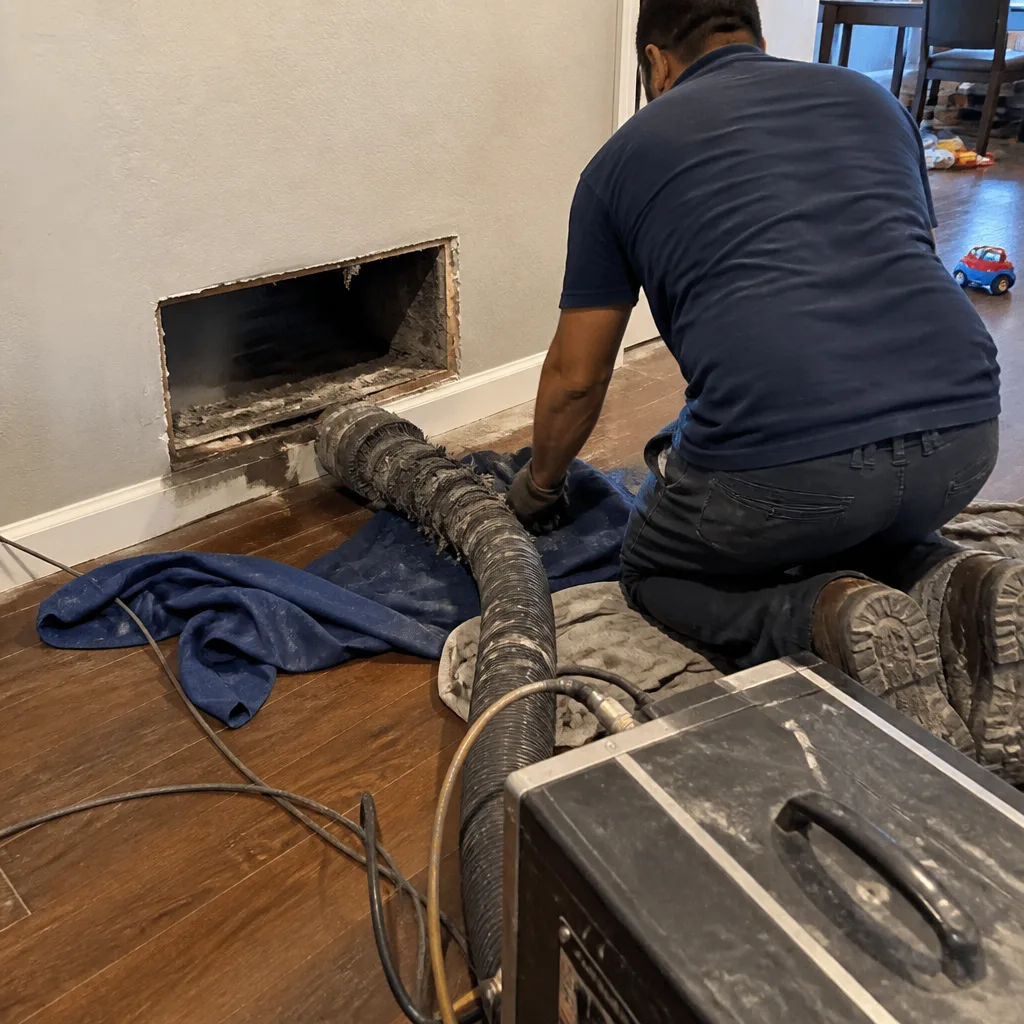 Before
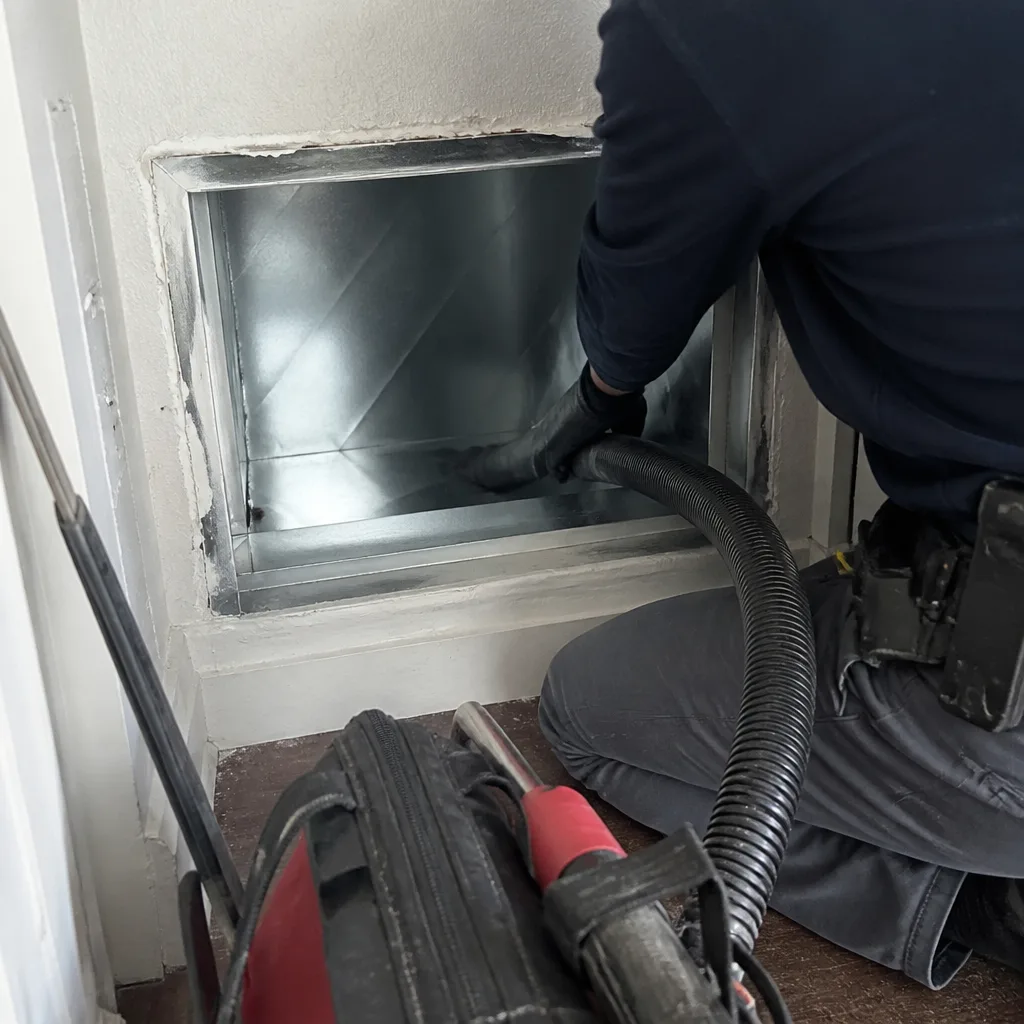 After
After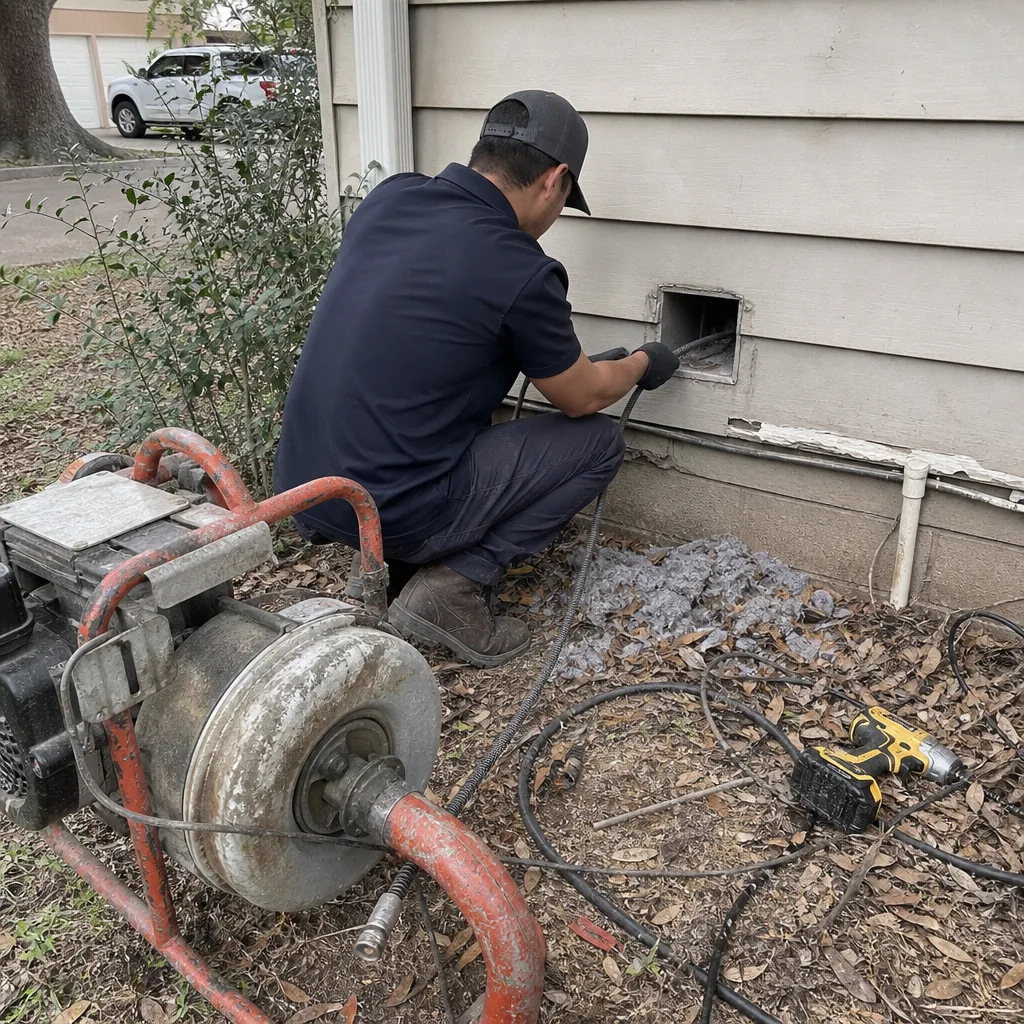 Before
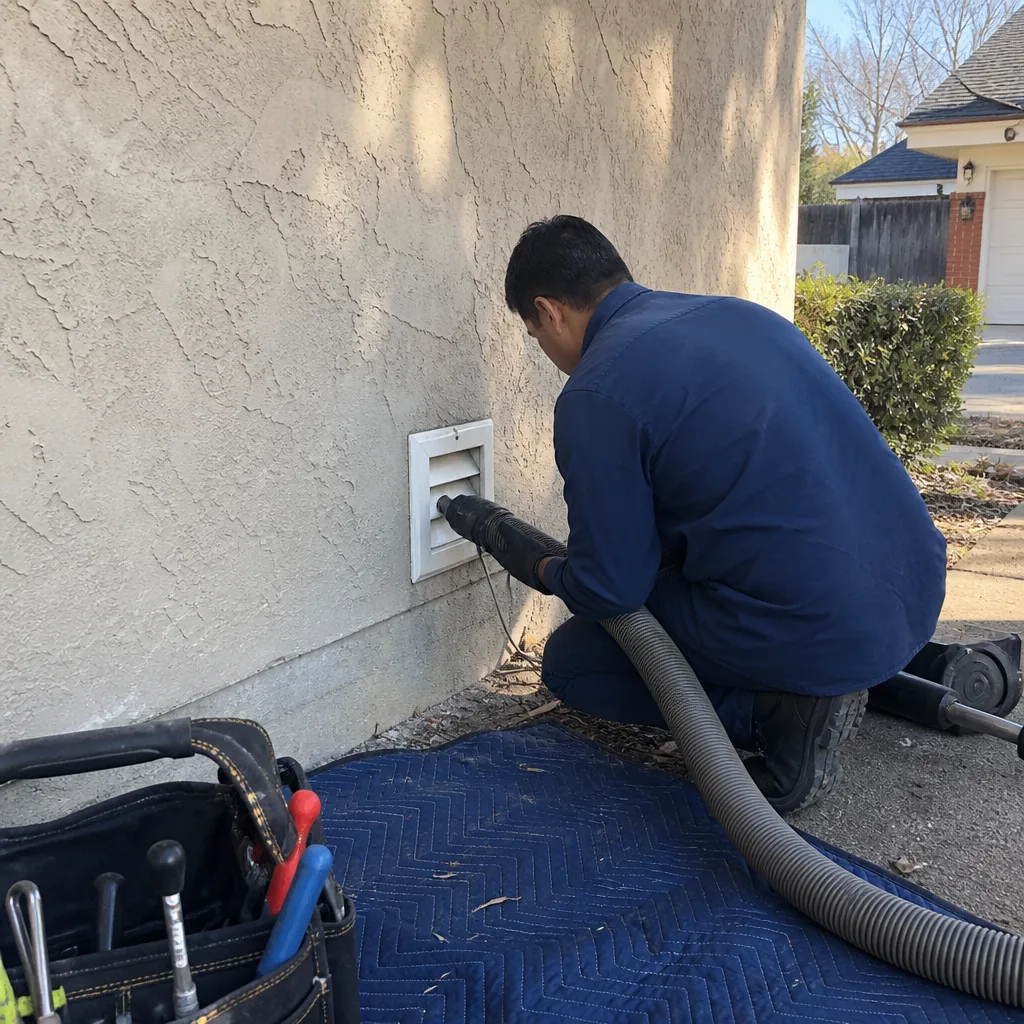 After
After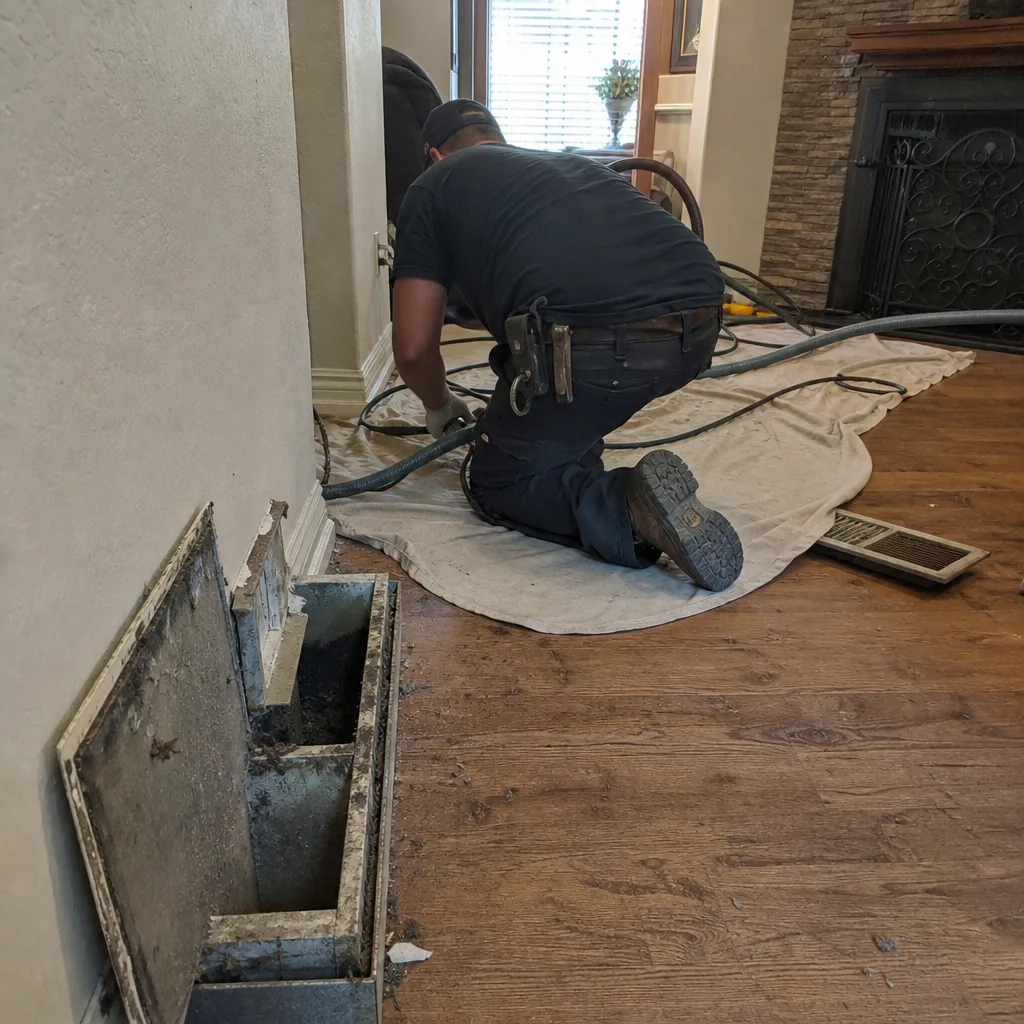 Before
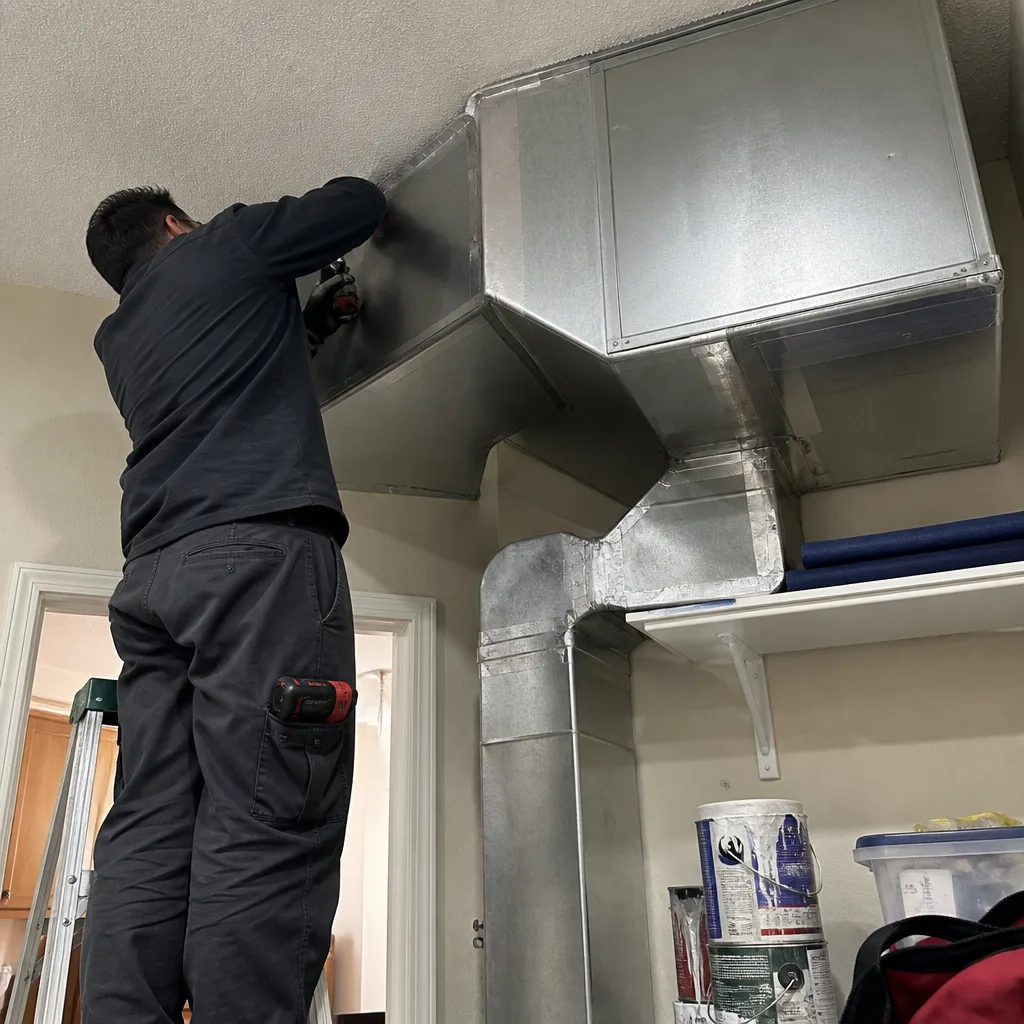 After
AfterRotobrush Vent Sanitizing: The Dallas Owner’s Guide
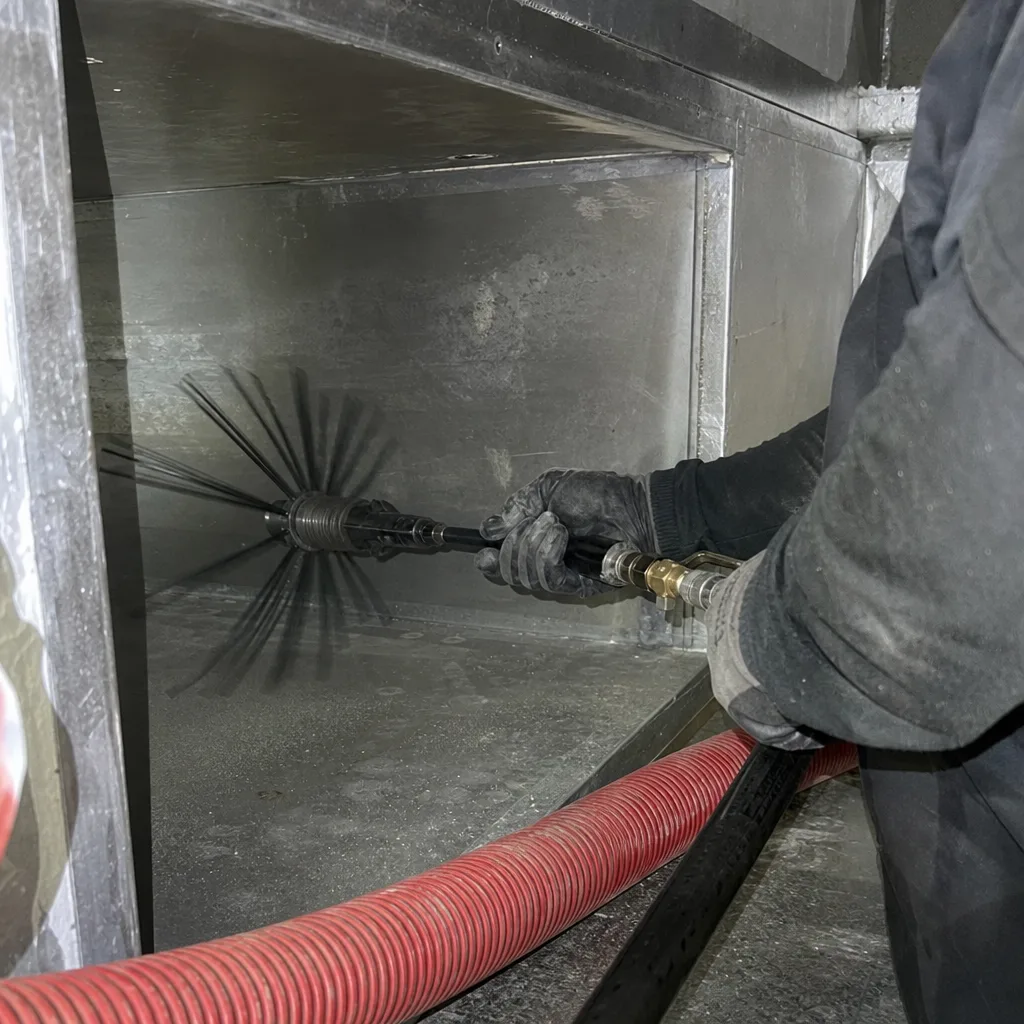
Rotobrush vent sanitizing in Dallas typically runs $280-$420 installed for a whole-system treatment, and we stock the compatible solution on every truck. Most Dallas homeowners discover their vent sanitizing has failed when the musty smell returns within days of a standard cleaning, or when a post-cleaning camera inspection still shows microbial staining at the plenum corners. The problem isn’t the brush - it’s that agitation alone doesn’t address what grows in North Texas humidity.
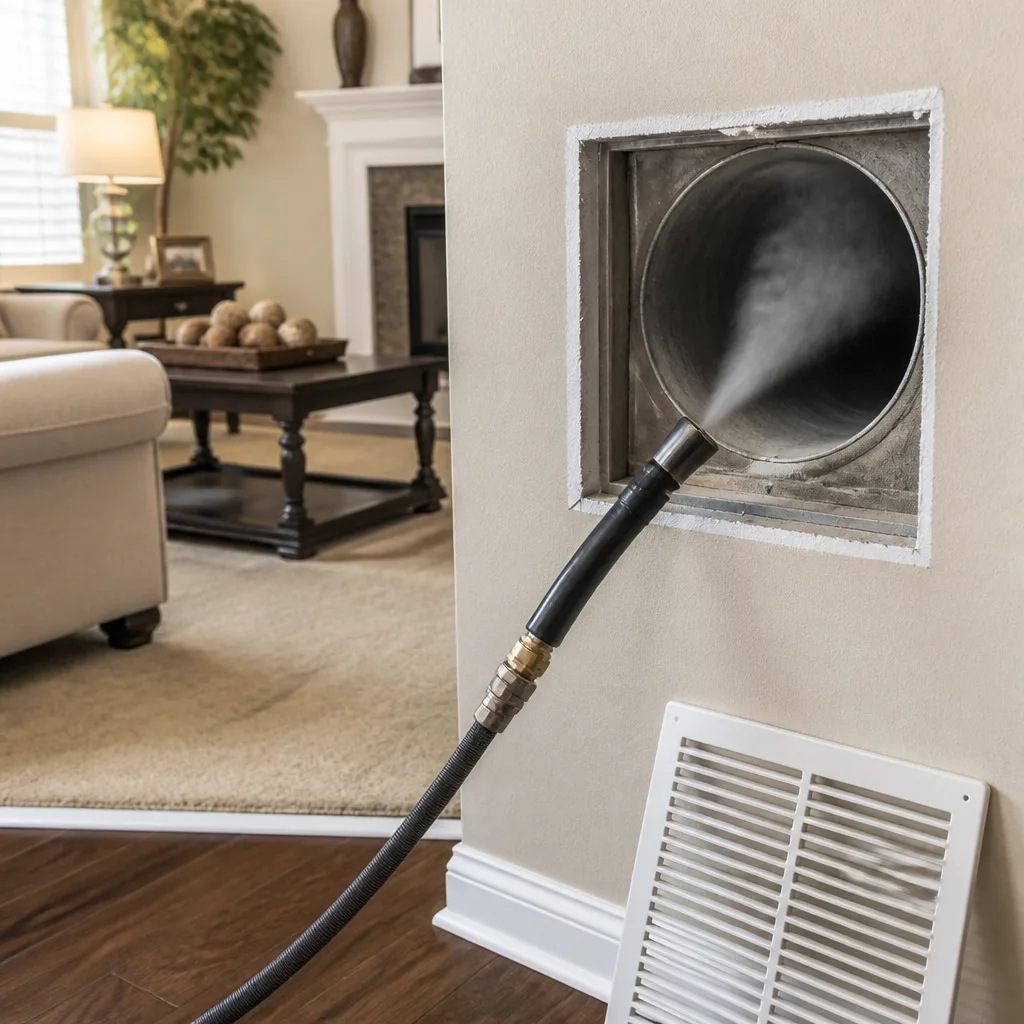
We see this pattern often in Lakewood and Oak Cliff homes built between 2015 and 2020, where tight building envelopes trap moisture and the HVAC runs ten months a year. The Rotobrush system does the mechanical work well. What it needs paired with it is a verified sanitizing step, applied at the right point in the sequence, with concentration and dwell time that actually registers on a post-treatment check.
Our crew carries Rotobrush-compatible vent sanitizing solutions on every Dallas truck, and we document the before-and-after on camera every time. Show the duct first. Talk about the solution second.
Which Rotobrush Models This Applies To
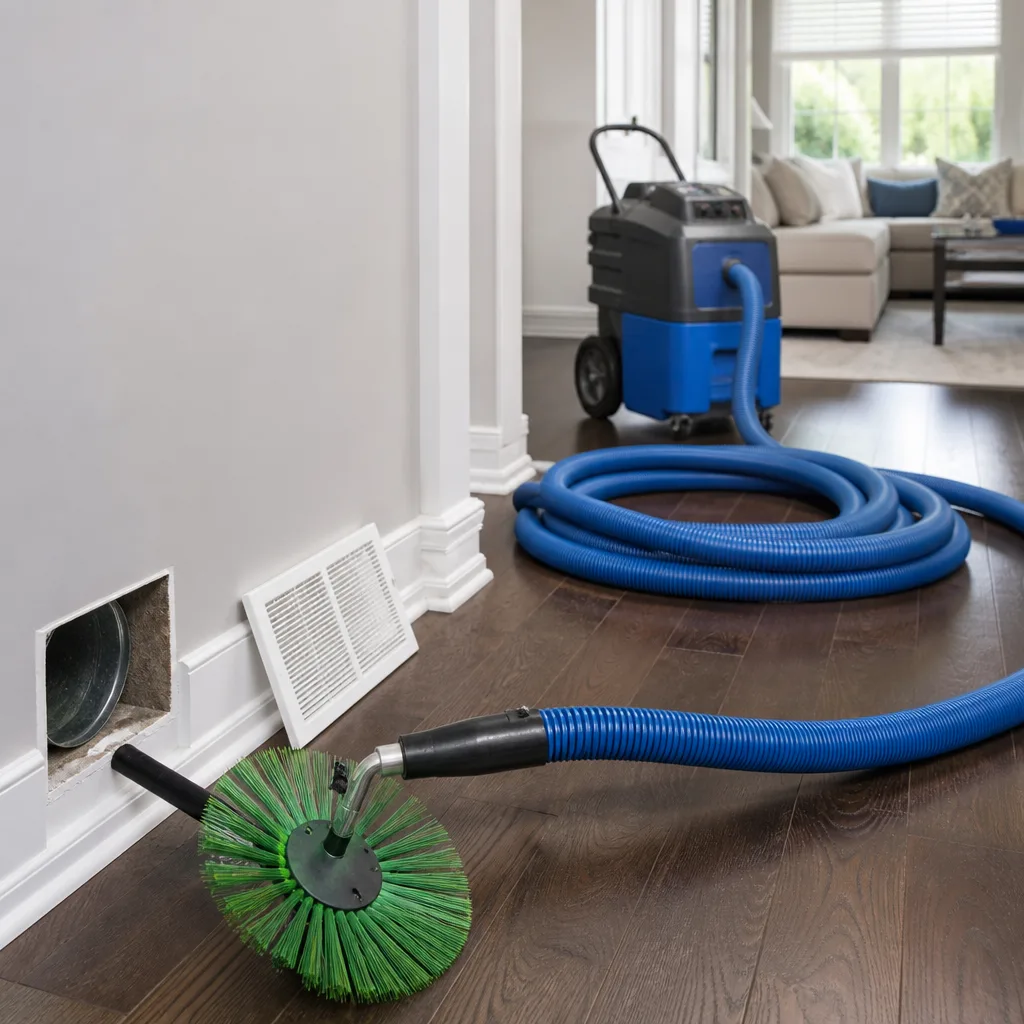
The vent sanitizing application pairs with Rotobrush’s brush-and-vacuum systems, including the standard BEAST series units and the portable models commonly used in residential duct runs. The critical compatibility point isn’t the machine model - it’s the injection point in your ductwork and whether your system has a dedicated sanitizer port or requires a retrofit adapter at the plenum.
Most Rotobrush units in Dallas field service are from the 2018-2023 production range. Check the service tag on your machine’s vacuum motor housing for the series designation. If your unit lacks a factory sanitizer port, we install a compatible injection fitting that seals to the duct wall without compromising the negative-pressure envelope. That’s the difference between a treatment that stays where it’s put and one that dissipates into the attic.
We use professional-grade sanitizing agents from trade-recognized suppliers, matched to the Rotobrush workflow. CleanRun is independently owned and operated and not affiliated with Rotobrush. We also service Lennox, Trane, and Carrier systems when the sanitizing need extends to the full HVAC unit.
Signs Your Rotobrush Vent Sanitizing Is Failing
- Odor returns within 72 hours of cleaning. This means the microbial source wasn’t eliminated, only displaced. The sanitizer either missed the colony location or didn’t maintain contact long enough at effective concentration. In Dallas, where summer supply air runs 55-60°F, condensation at the plenum creates ideal conditions for rapid regrowth.
- Visible staining on camera inspection after treatment. Dark or discolored patches at duct joints or the evaporator coil housing indicate the sanitizing agent didn’t penetrate the biofilm layer. The Rotobrush brush loosened debris, but the chemical step failed to finish the job.
- Uneven distribution across duct runs. Some rooms smell treated while others don’t. This points to insufficient volume of solution, incorrect dilution for the system size, or application before the negative-pressure extraction phase, which pulls the chemical out before it acts.
- Technician skipped the dwell-time verification. Effective vent sanitizing requires a documented interval between application and airflow restoration. If your last service didn’t include a timed hold with the system off, the treatment likely didn’t meet manufacturer specifications for the product used.
- No post-treatment photo record was provided. This isn’t a symptom of the ductwork - it’s a symptom of the service. Without dated, location-stamped images of the treated runs, there’s no verification that sanitizing reached every branch of the system.
BeforeAfterReplacement Cost & What’s Included
| Service Component | Typical Range (Dallas) |
|---|---|
| Whole-system vent sanitizing (Rotobrush-compatible) | $280 - $340 |
| Plenum-focused treatment with adapter install | $340 - $420 |
| Post-treatment photo record delivery | Included |
| 365-Day Done Right Promise documentation | Included |
What moves the price: system size (duct run count), whether we need to install a sanitizer port adapter, and the severity of buildup requiring pre-treatment agitation. We write the full price before any work starts, under Haven Standard Clause 1. No per-vent add-ons, no post-arrival upsells. The price you approve is the price on the final record.
Every sanitizing job includes our Documented Photo Record - before and after images of every accessible duct run, delivered as part of your standard job record. The 365-Day Done Right Promise applies in writing: if the odor returns or the photo record shows we missed a run, we return and make it right.
DIY or Call Us?
Here’s what a homeowner can safely verify: check that your Rotobrush service included a post-treatment photo record, confirm the sanitizer product name and concentration used, and smell-test each register 48 hours after service. These checks cost nothing and tell you whether the last provider did documented work or just ran a brush through.
What doesn’t work DIY: sourcing the correct sanitizing agent at trade concentration, installing injection hardware without compromising duct pressure balance, and verifying dwell time in a way that holds up if the treatment fails. The chemicals used in professional vent sanitizing are labeled for restricted use in Texas; the application requires PPE and ventilation control that most homeowners don’t maintain.
If your last Rotobrush service left you with returning odors or no photo record, call (469) 405-6133. We’ll run our camera through first, show you what we find, and put a written price next to it before any treatment starts.
FAQs
In Dallas conditions, a properly applied vent sanitizing treatment typically remains effective for 12 to 18 months, though homes with pets, recent water intrusion, or continuous HVAC operation may need attention sooner. The limiting factor is usually new microbial introduction, not treatment failure. Call (469) 405-6133 and we’ll assess whether your situation warrants the standard interval or a shorter one.
Vent sanitizing is a consumable treatment, not a permanent installation - it doesn’t fail in a way that admits repair. What can be corrected is a poorly executed prior treatment: incomplete coverage, wrong concentration, or skipped dwell time. We document the actual condition with our camera before recommending any re-treatment. Call (469) 405-6133 for a free second opinion on any written estimate you’ve received.
A whole-system Rotobrush-compatible vent sanitizing treatment takes 2 to 3 hours from setup to final photo record, including the required dwell period with the HVAC system off. The actual application is the shortest phase; verification and documentation take longer because that’s where the accountability lives. We schedule these as morning or afternoon blocks, not rushed between other appointments.
Yes. Every CleanRun truck carries Rotobrush-compatible sanitizing solution, injection adapters for common plenum configurations, and the camera equipment to verify results before we leave. If your system requires a non-standard adapter, we’ll tell you after the initial inspection and before any price is written - no surprises.
Written by Tomas Reyes, Owner, CleanRun Air Duct Cleaning Dallas at CleanRun Air Duct Cleaning Dallas, serving Dallas and nearby areas.