
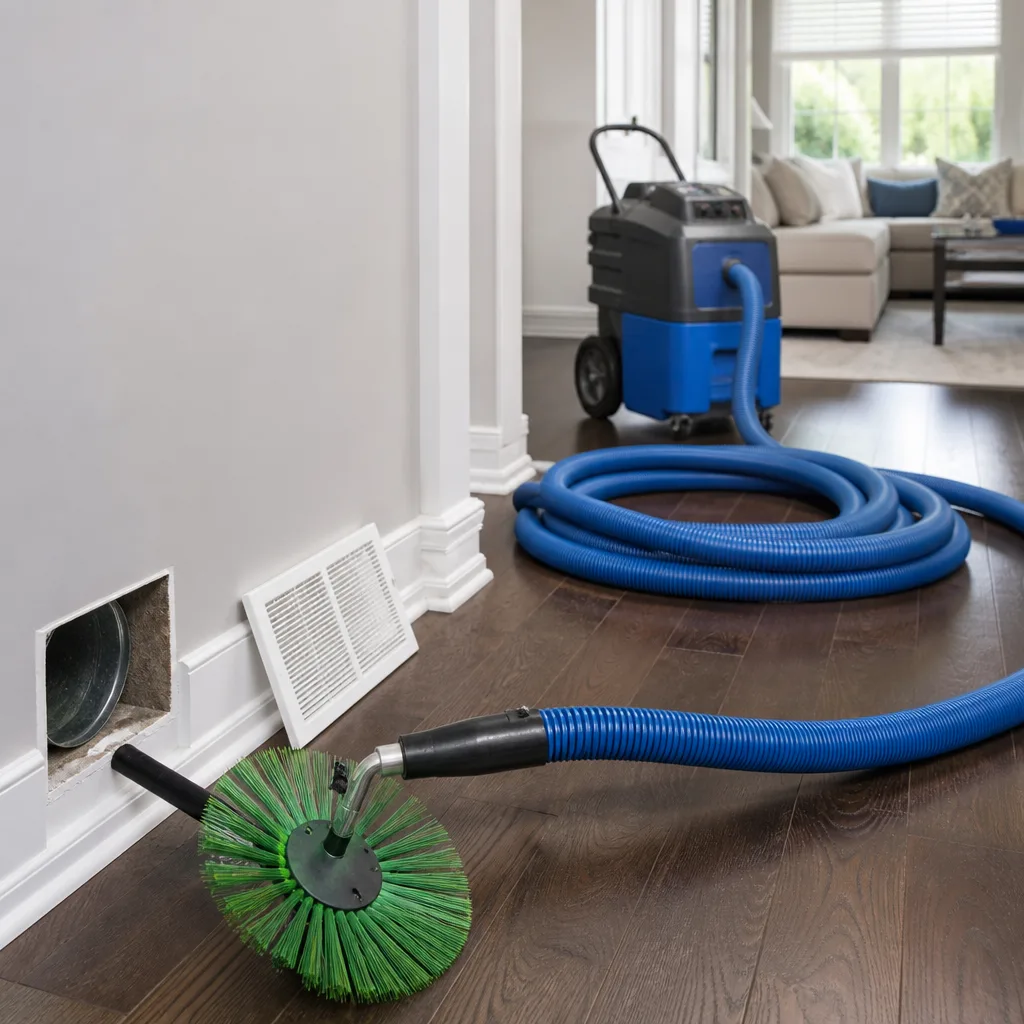
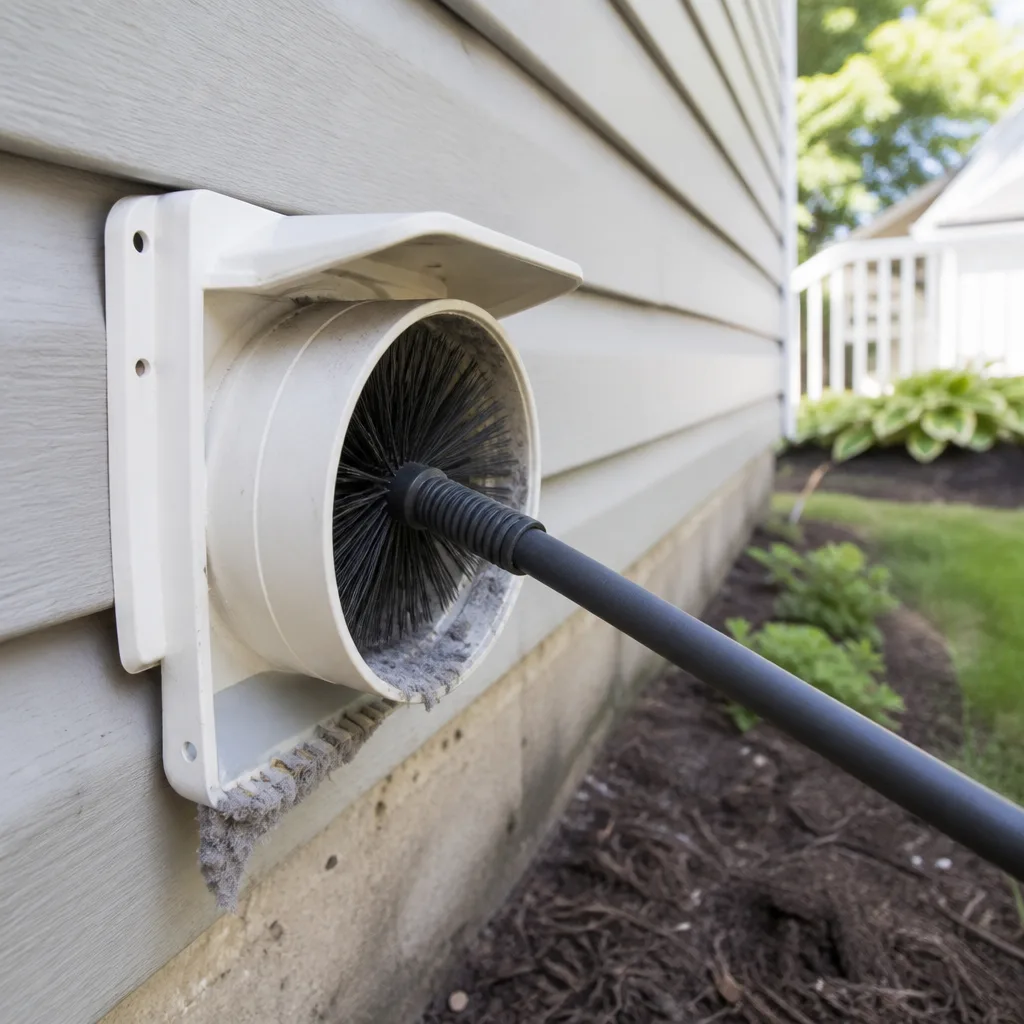
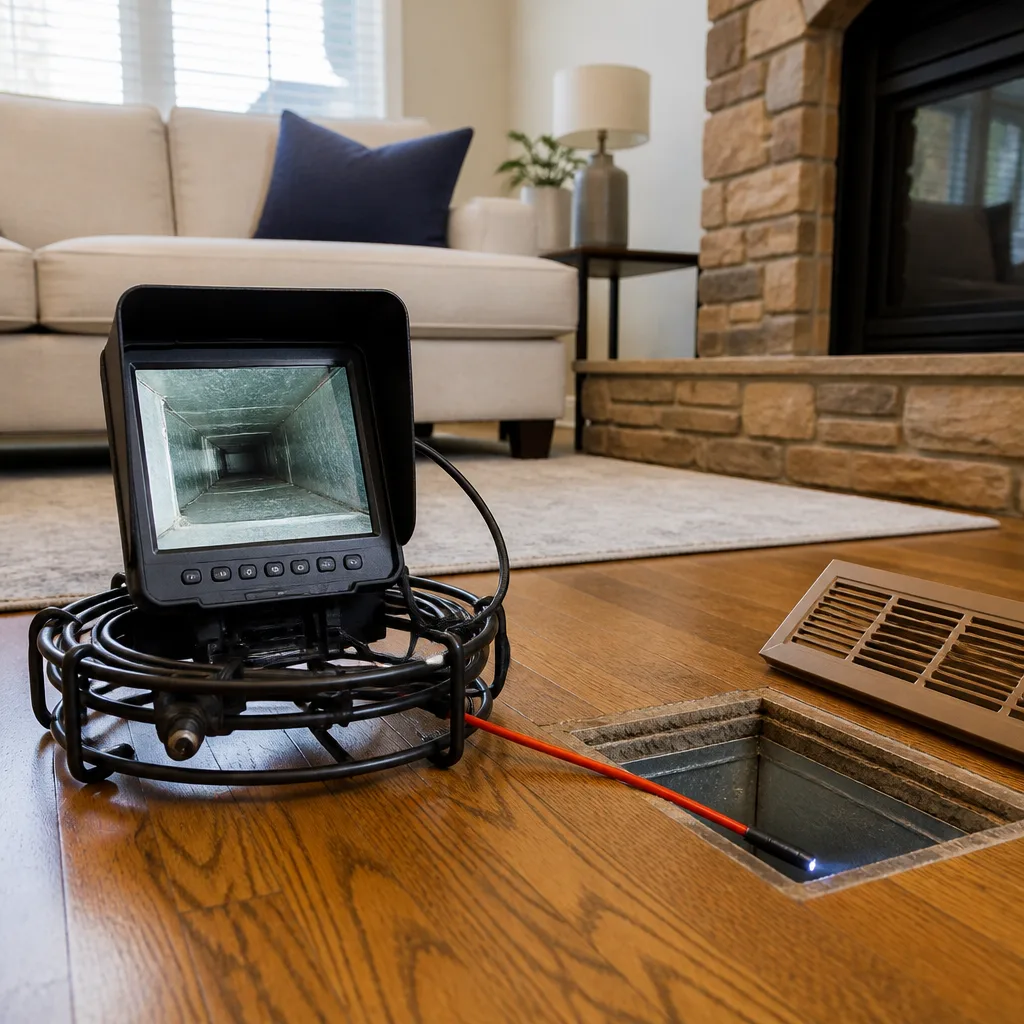
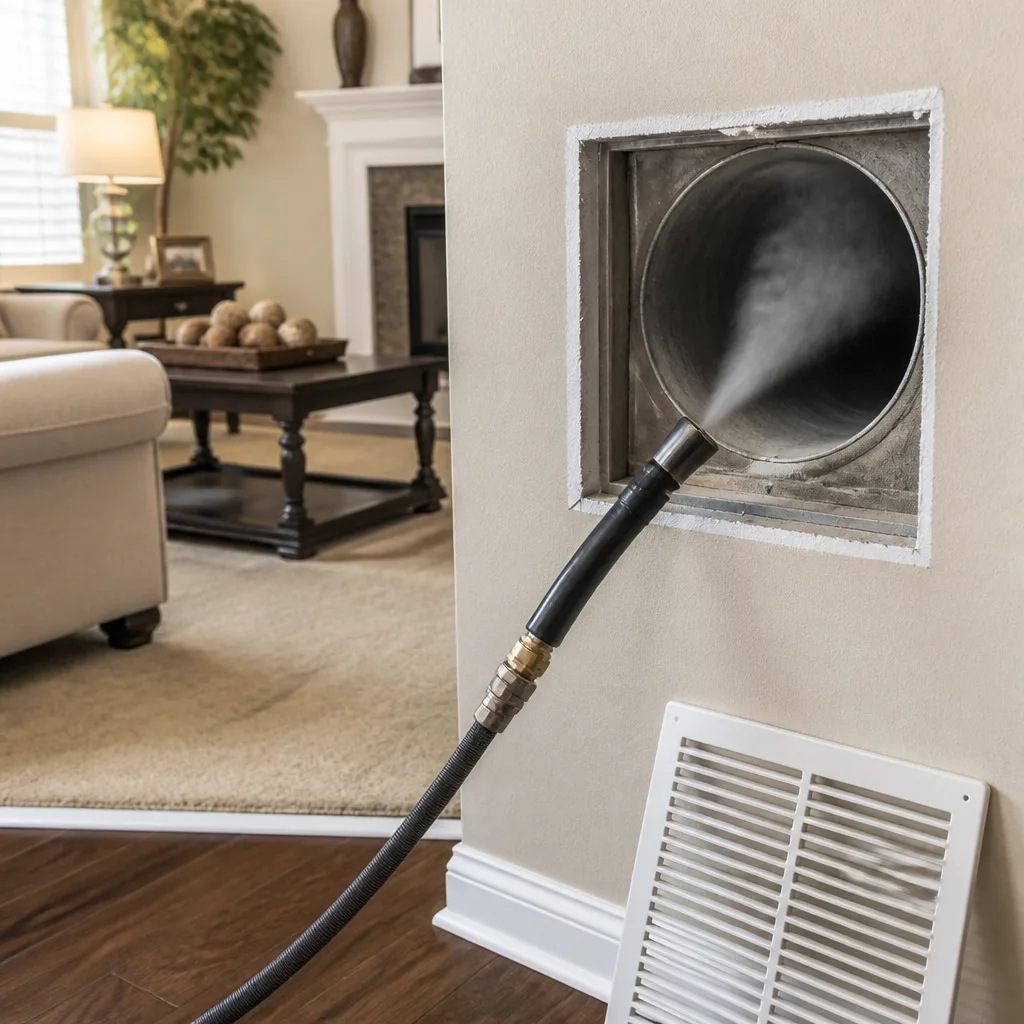
Whole-system duct and dryer vent check with before-and-after photos - you see exactly what came out of your vents
That "$99 whole-house special" is a bait ad - the real number appears once they are in your hallway, or the "clean" is a shop-vac at the register. We photograph the inside of your ducts before and after instead.
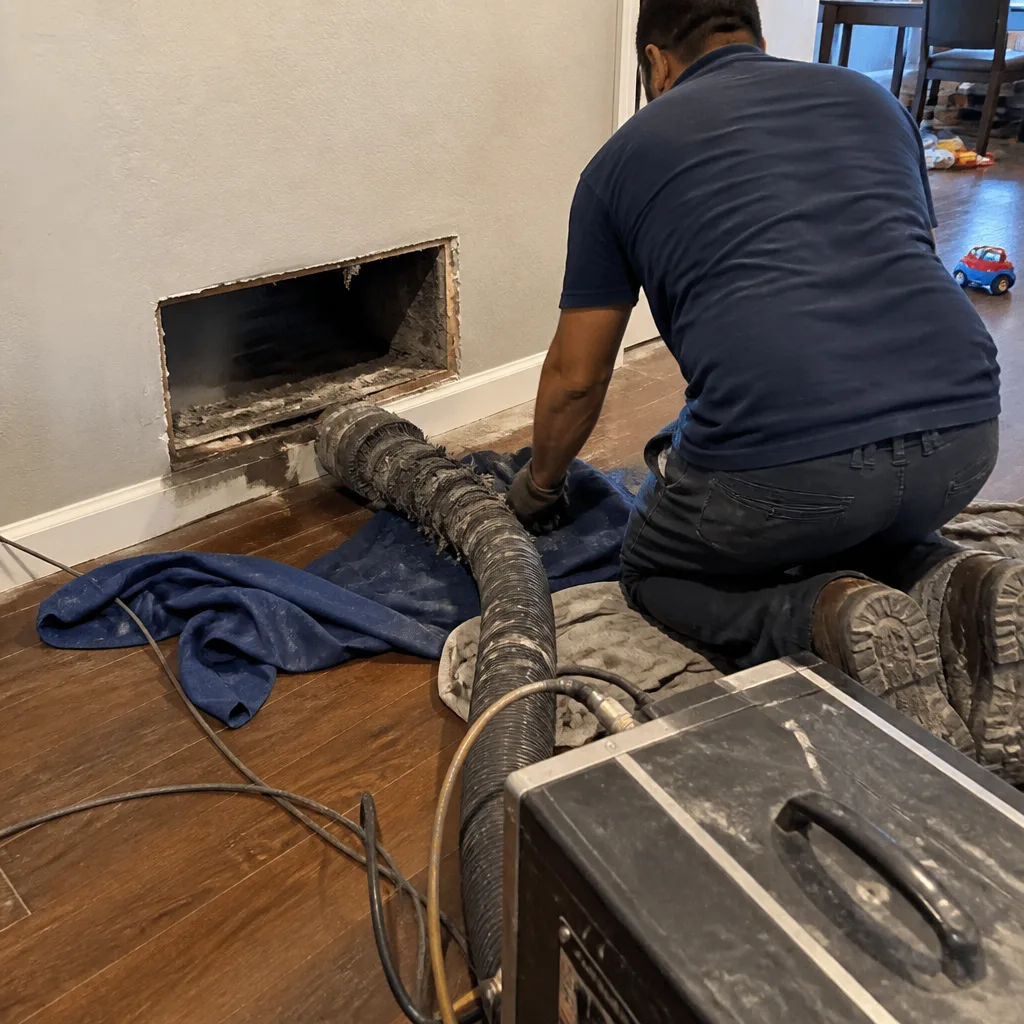 Before
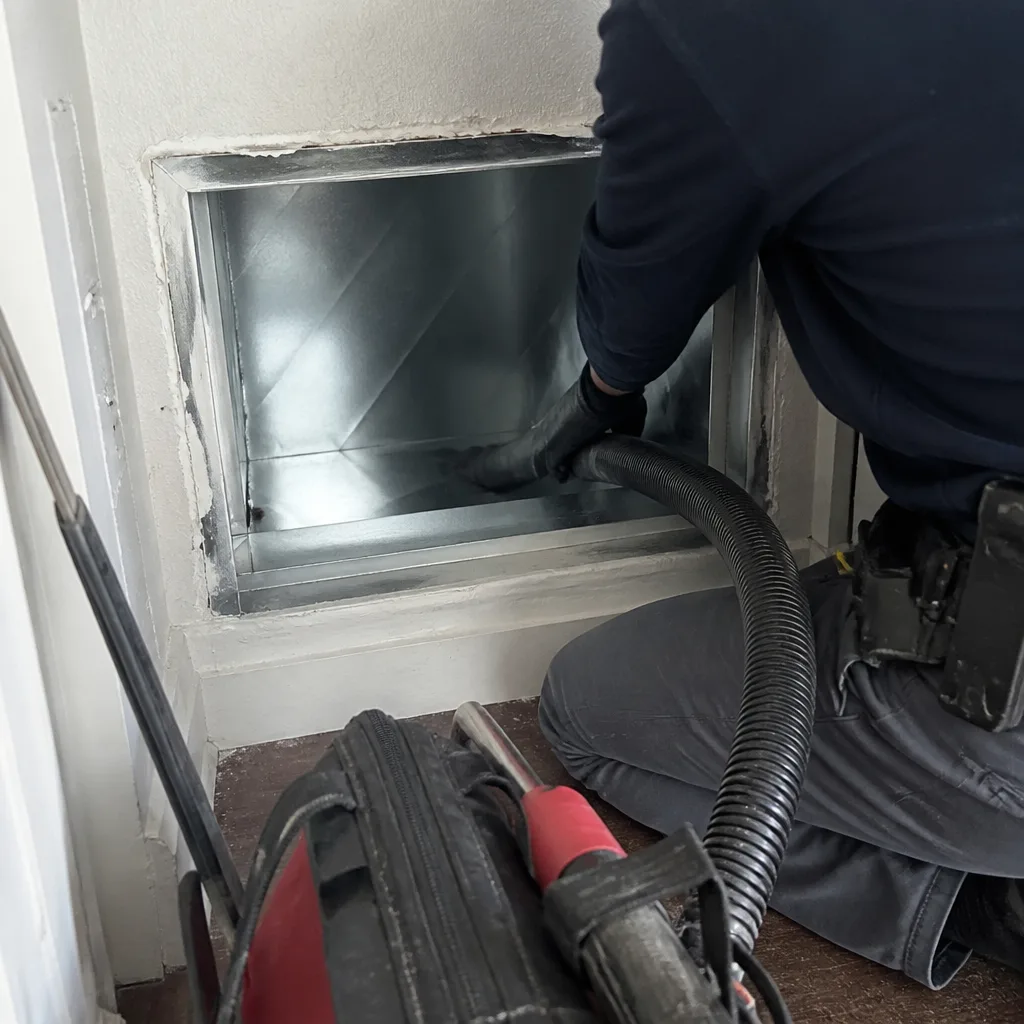 After
After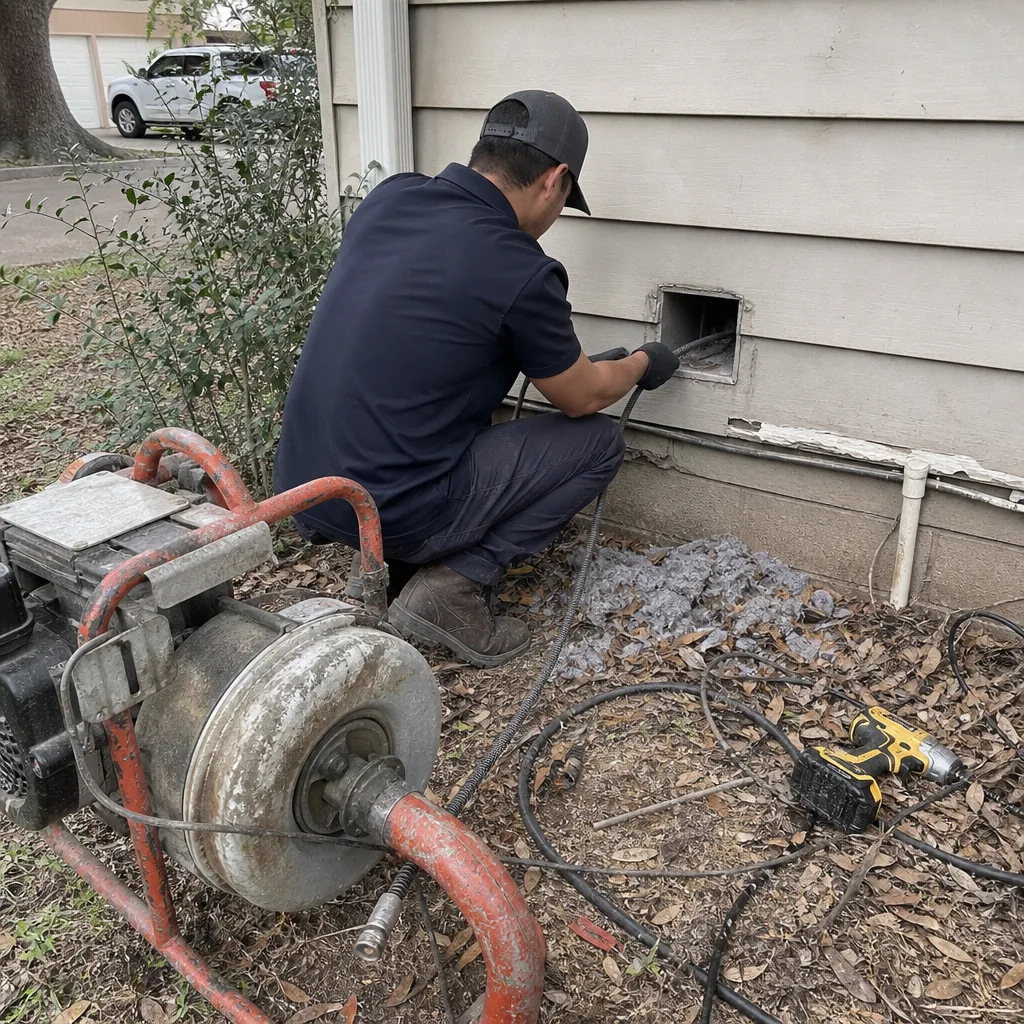 Before
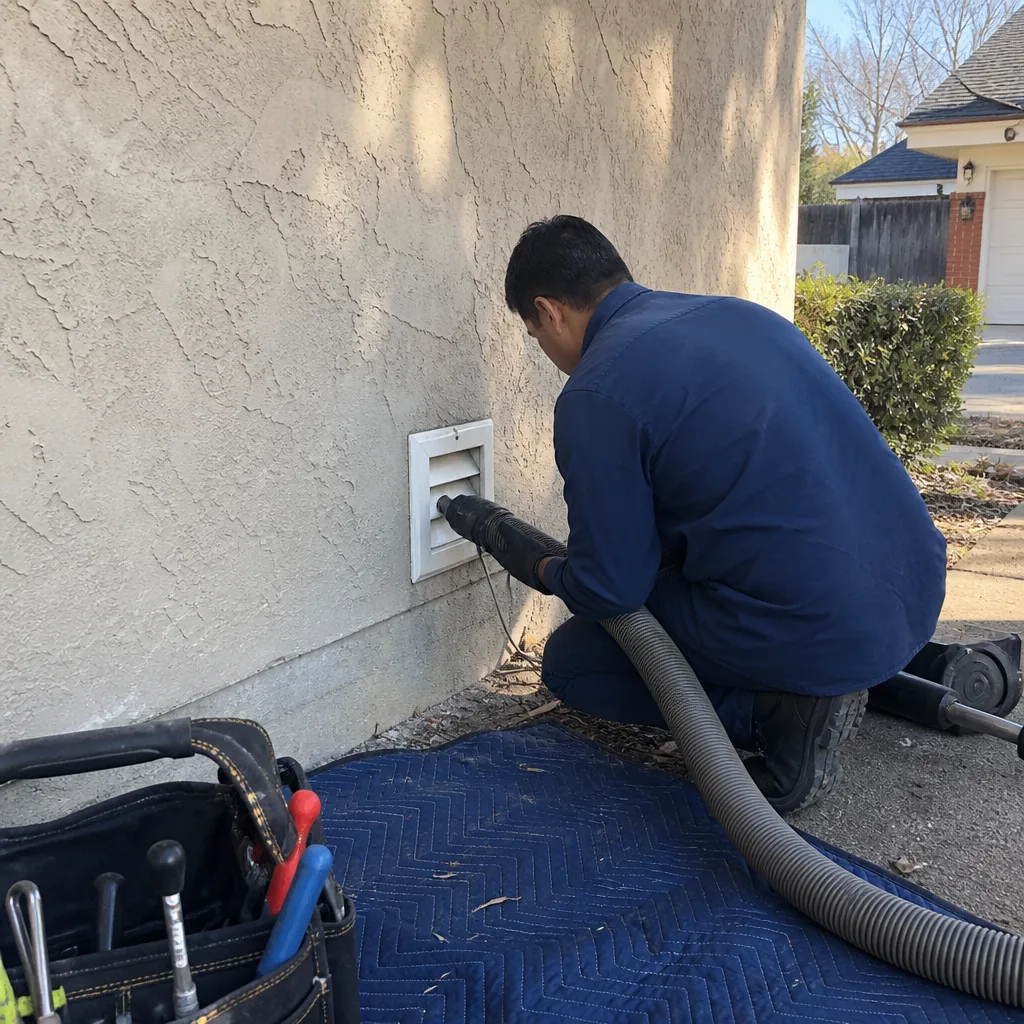 After
After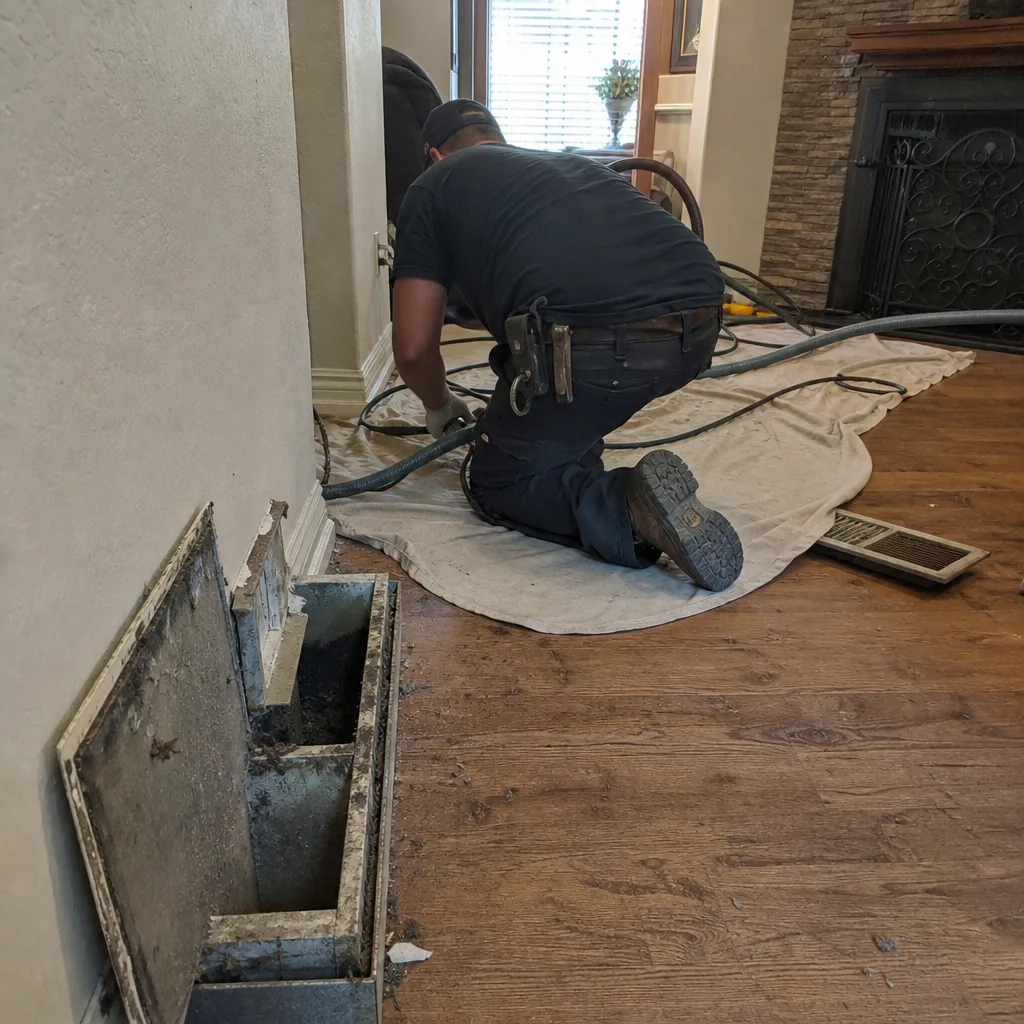 Before
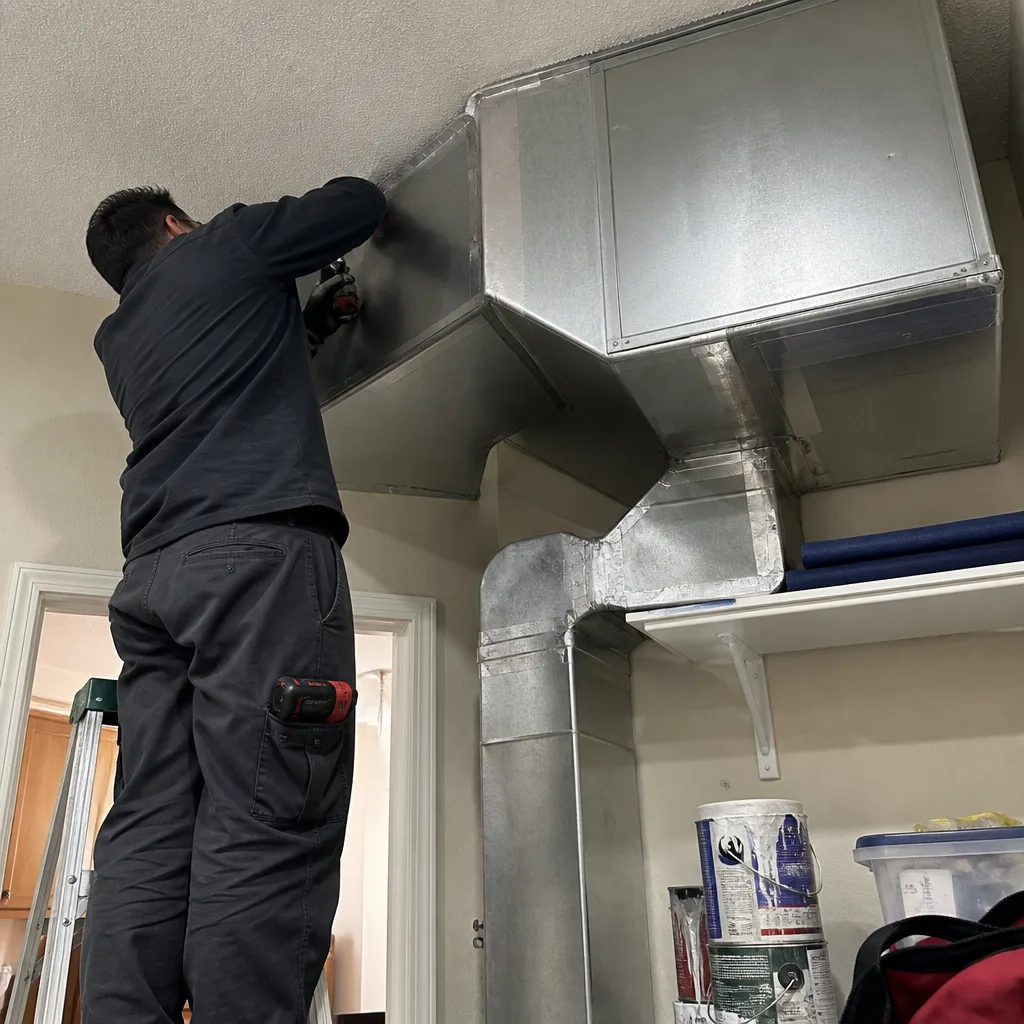 After
AfterHoneywell Coil Cleaning: The Dallas Owner’s Guide
CleanRun stocks and installs Honeywell-compatible evaporator and condenser coil cleaning across Dallas, with typical whole-system service ranging from $340 to $620 depending on accessibility and contamination level. Most Honeywell coil jobs we run are completed in a single visit, with the written price agreed before any panel comes off. Homeowners usually discover the problem after noticing weak airflow through registers, ice forming on the indoor unit, or their Honeywell thermostat showing the system running far longer than it used to.
Which Honeywell Models This Applies To
Honeywell coils appear most frequently in systems paired with Honeywell zone boards and media air cleaners, but the coils themselves are manufactured under several OEM arrangements. The critical identifier is the model sticker on the coil cabinet, not the thermostat on your wall. Look for prefixes like CNPVP, CAPMP, or CRHE, typically found on the upstream side of the evaporator case near the plenum connection.
We’ve found that Dallas-area homes built between 2015 and 2020 often carry Honeywell-badged coils manufactured by International Comfort Products, while older installations may carry Nordyne or Rheem-sourced units with different fin density and drain pan geometry. The aftermarket cleaning approach differs: tighter fin spacing on ICP-built units requires lower pressure and specific surfactant dwell time to avoid fin collapse. We match the cleaning protocol to the actual manufacturer, not the badge.
CleanRun is an independent service provider with no affiliation to Honeywell. We also stock parts and perform coil service for Lennox, Trane, and Carrier systems.
Signs Your Honeywell Coil Cleaning Is Failing
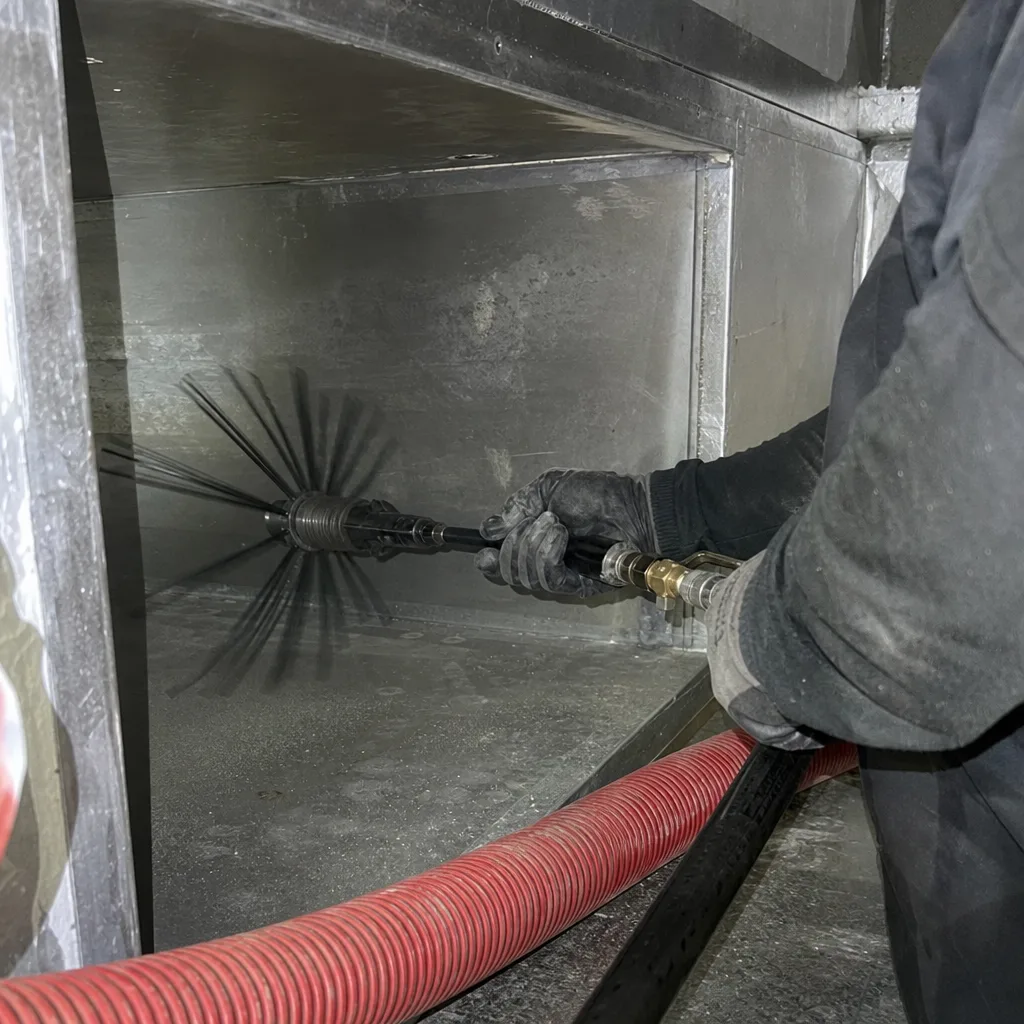
- Frozen evaporator coil. Restricted airflow across the coil drops surface temperature below 32°F, and the condensation line ices over. In Dallas, we see this most often in April and October when systems switch between heating and cooling modes without the coil having been inspected through the shoulder season.
- Longer run cycles with poor cooling. The compressor runs 40% longer to achieve the same setpoint because the coil’s heat transfer efficiency has dropped. Our camera inspections regularly show a mat of pet dander and construction dust compressed into the fin valleys, especially in homes near the Trinity River floodplain where outdoor particulate loads run higher.
- Musty or sour odor from registers. Microbial growth on the coil surface produces volatile compounds that bypass standard filters. Honeywell’s aluminum fin stock is particularly susceptible to biofilm adhesion once the factory coating degrades, typically around year seven in Texas humidity.
- Water stains below the air handler. A contaminated coil sheds debris into the drain pan, clogging the trap or primary drain line. We’ve pulled enough sludge from Honeywell drain pans in Lakewood and Preston Hollow to know the secondary port is often already compromised by the time the ceiling shows damage.
- System short-cycling on high head pressure. A dirty condenser coil outside can’t reject heat effectively, causing the compressor to trip on thermal overload. Dallas summer design temperatures of 100°F plus push marginal coils over the edge; we’ve documented this exact failure pattern in Design District conversions where the original rooftop condenser serves a renovated space with higher cooling load.
BeforeAfterReplacement Cost & What’s Included
| Service Level | Price Range | What’s Included |
|---|---|---|
| Evaporator coil cleaning (accessible) | $340 - $480 | Negative-pressure extraction, foamer application, fin straightening, drain line flush, before/after photo record |
| Evaporator coil cleaning (restricted access) | $480 - $620 | Above plus plenum modification or platform work for attic units with less than 30″ clearance |
| Condenser coil cleaning (ground level) | $280 - $420 | Chemical foamer, high-volume low-pressure rinse, electrical compartment inspection, photo record |
| Condenser coil cleaning (rooftop) | $420 - $580 | Above plus rigging access, safety tie-off, extended refrigerant line inspection |
The range reflects what we find when the panel comes off, not a bait-and-switch. A coil with light surface dust and intact factory coating takes less labor than one with baked-on grease from a kitchen return or corrosion from condensate pH imbalance. Haven Standard Clause 1 requires the written price before work starts; you’ll see the scope and the number on the same page, and both are backed by the 365-Day Done Right Promise.
DIY or Call Us?
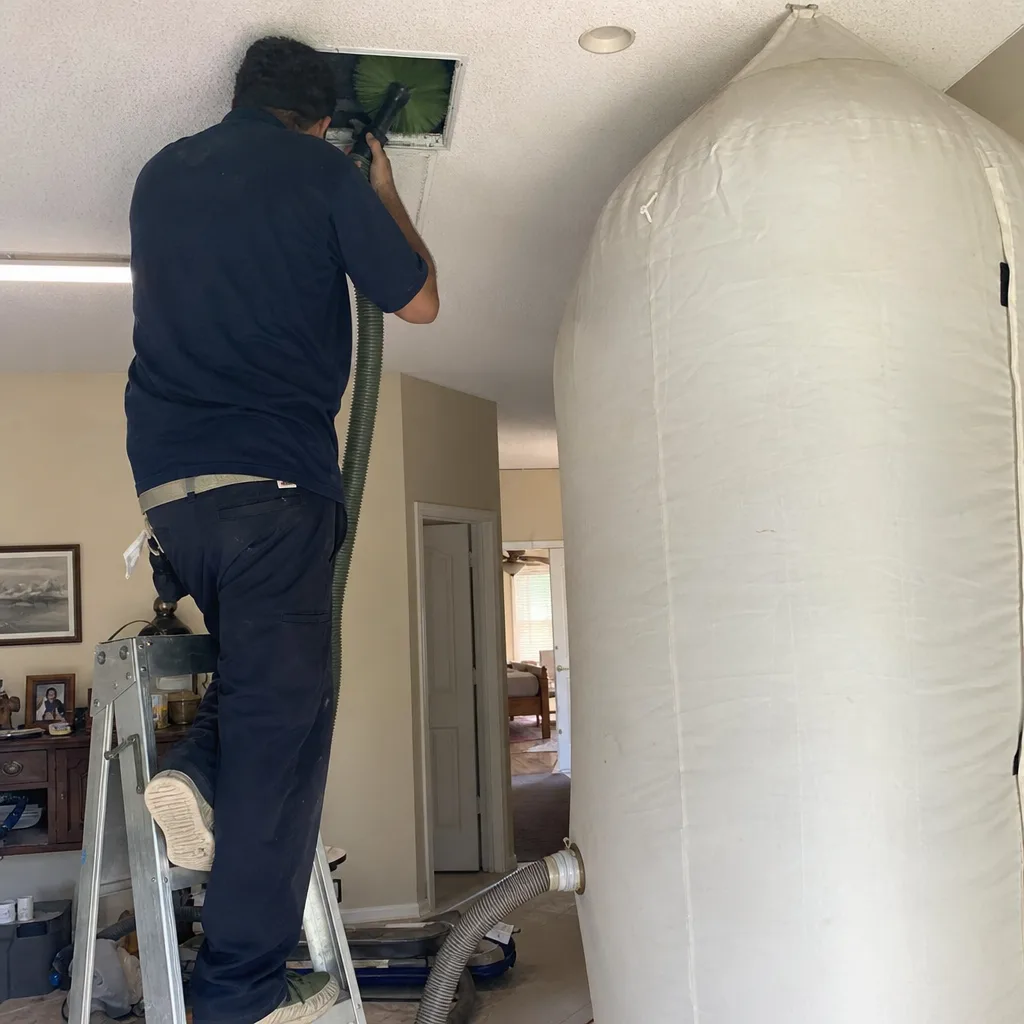
An owner can safely check three things: whether the outdoor condenser has visible debris blocking the fins, whether the indoor filter is loaded, and whether the condensate line trap is dry. Beyond that, coil cleaning involves risks that justify a trained technician.
Evaporator coils sit downstream of the blower in a negative-pressure plenum; disturbing the assembly without proper support can collapse ductwork or breach the drain pan seal. Condenser coils carry 240V within inches of the work area, and the aluminum fins cut skin easily. More critically, improper cleaning pressure folds fins permanently, reducing capacity and often voiding remaining warranty coverage. We use Rotobrush and Nikro equipment with calibrated pressure settings matched to fin density, and we document the condition we found with photographs you can review.
If you’re seeing ice, water damage, or sustained odor, the coil is telling you something about the system that a rinse won’t fix. Call (469) 405-6133 and we’ll put a written estimate next to whatever you’ve been quoted.
FAQs
In Dallas’s climate, a properly cleaned coil with maintained filtration typically stays clear for 18 to 30 months. Homes near construction zones or with multiple pets often see contamination return within 12 months; we’ve documented this difference in our photo records across neighborhoods from Oak Cliff to Lake Highlands. Call (469) 405-6133 to schedule an inspection and we’ll show you where your system falls on that range.
No. Once fin corrosion or biofilm intrusion has occurred, cleaning restores efficiency but cannot reverse material loss. The decision point is whether the coil’s heat transfer surface is intact enough to justify cleaning versus replacement; our camera inspection shows you that condition directly before you commit to either path. Call (469) 405-6133 for a free second opinion on any replacement quote you’ve received.
Most residential Honeywell coil cleanings take 90 minutes to 2.5 hours from panel removal to final photo documentation. Attic units with restricted access or rooftop condensers add 30 to 60 minutes for rigging and safety setup. We don’t charge by the hour; the written price covers the complete scope regardless of time required. Call (469) 405-6133 to confirm scheduling for your property.
Yes. Our trucks carry foaming surfactants rated for aluminum fin stock, low-pressure rinse equipment, and fin combs sized for the common Honeywell fin pitches we encounter in Dallas. We also stock Honeywell, Aprilaire, and Guardsman filtration upgrades that reduce recontamination rates when the source is inadequate filtration rather than environmental load. Call (469) 405-6133 and we’ll match the equipment to your specific installation.
Show the duct first. Talk about the solution second. That’s how we’ve run every job since 2013, and it’s why our photo records go out with every invoice. No exceptions.
Written by Tomas Reyes, Owner, CleanRun Air Duct Cleaning Dallas at CleanRun Air Duct Cleaning Dallas, serving Dallas and nearby areas.