
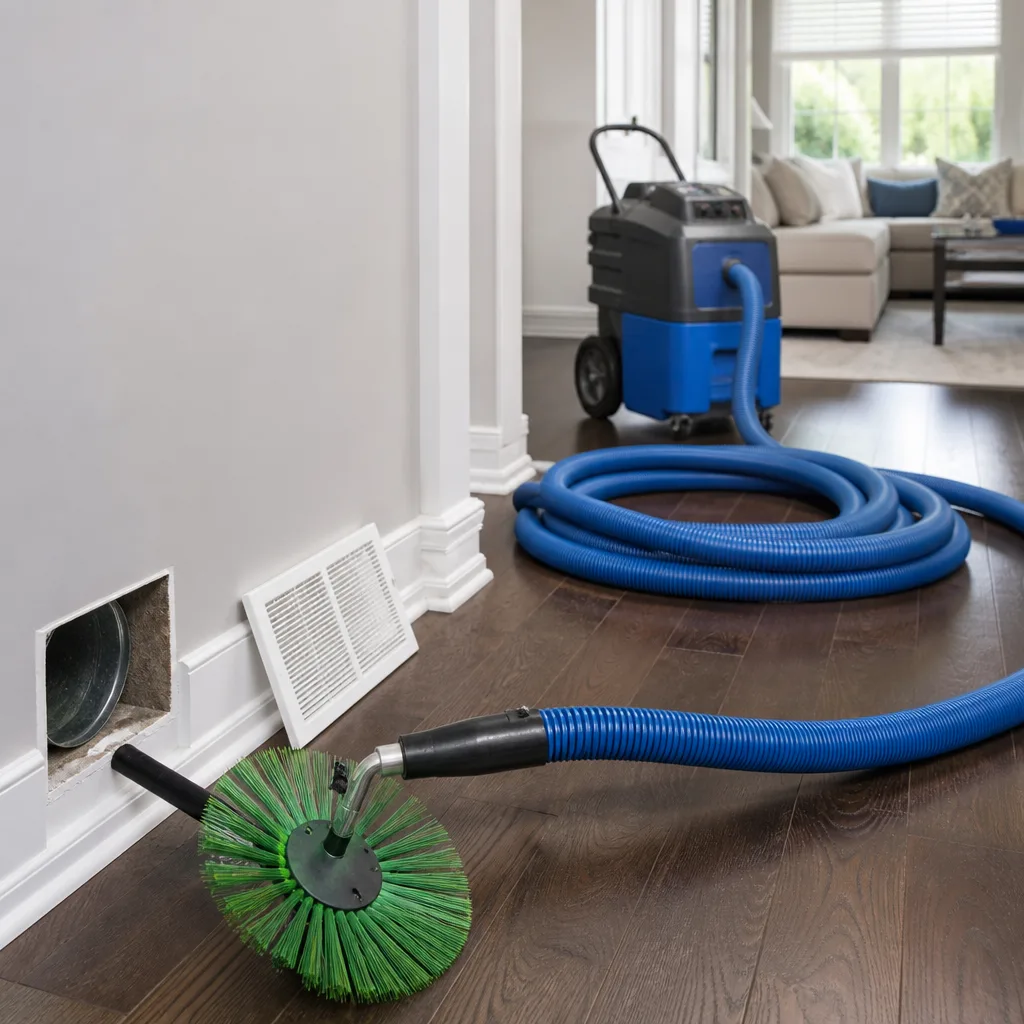
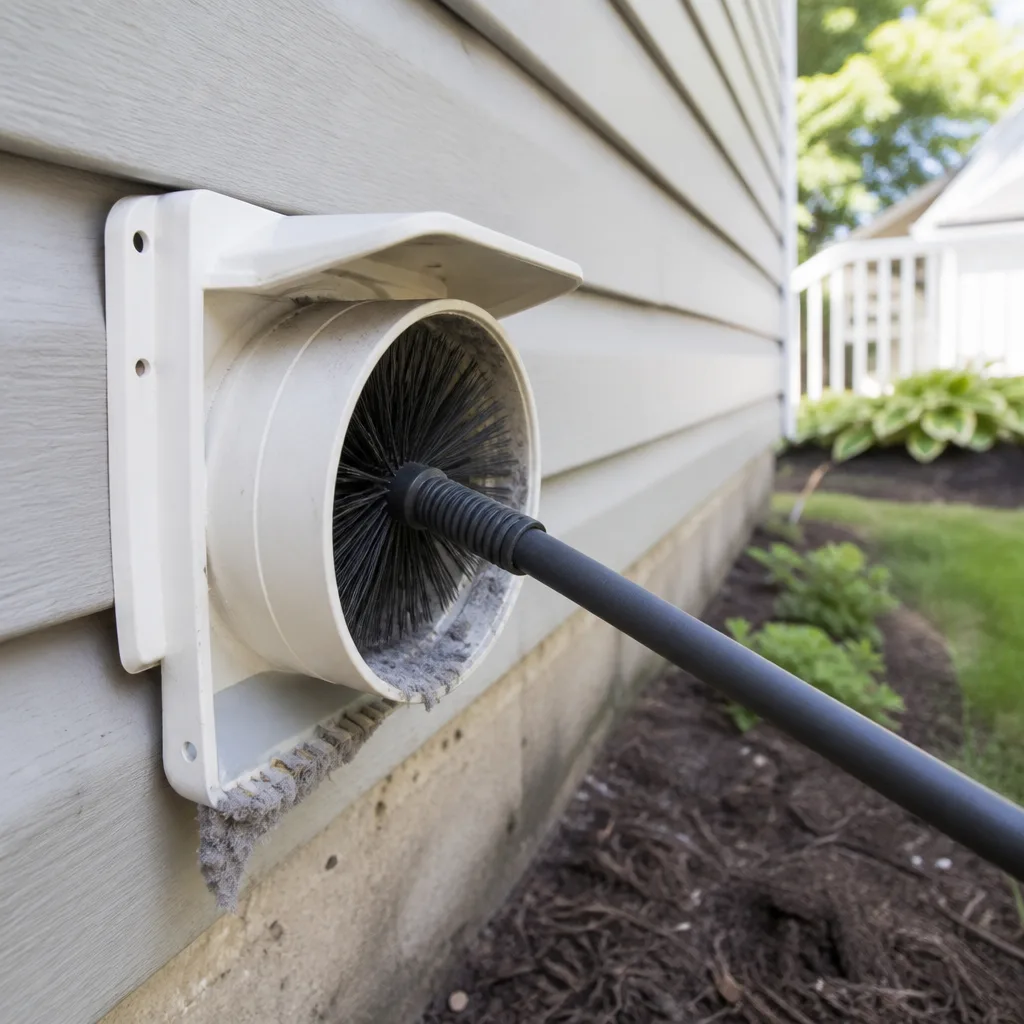
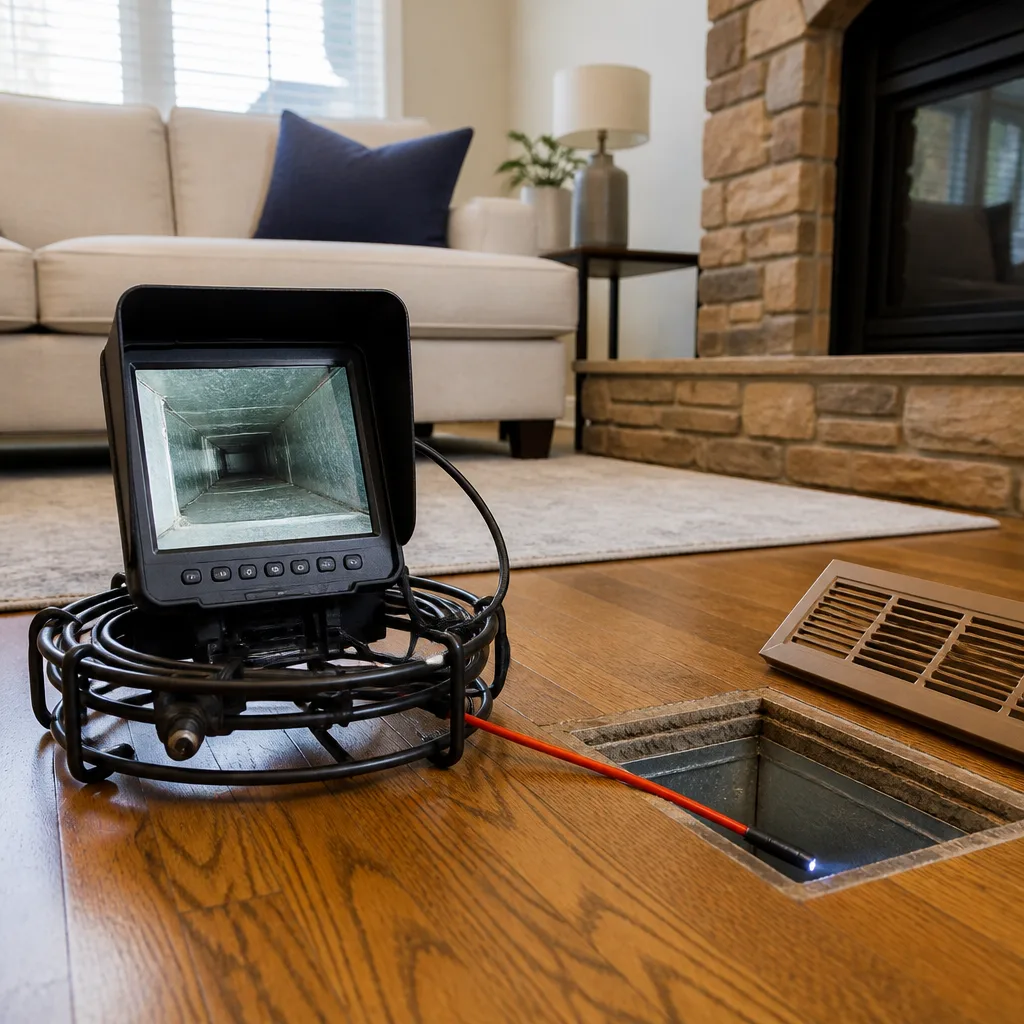
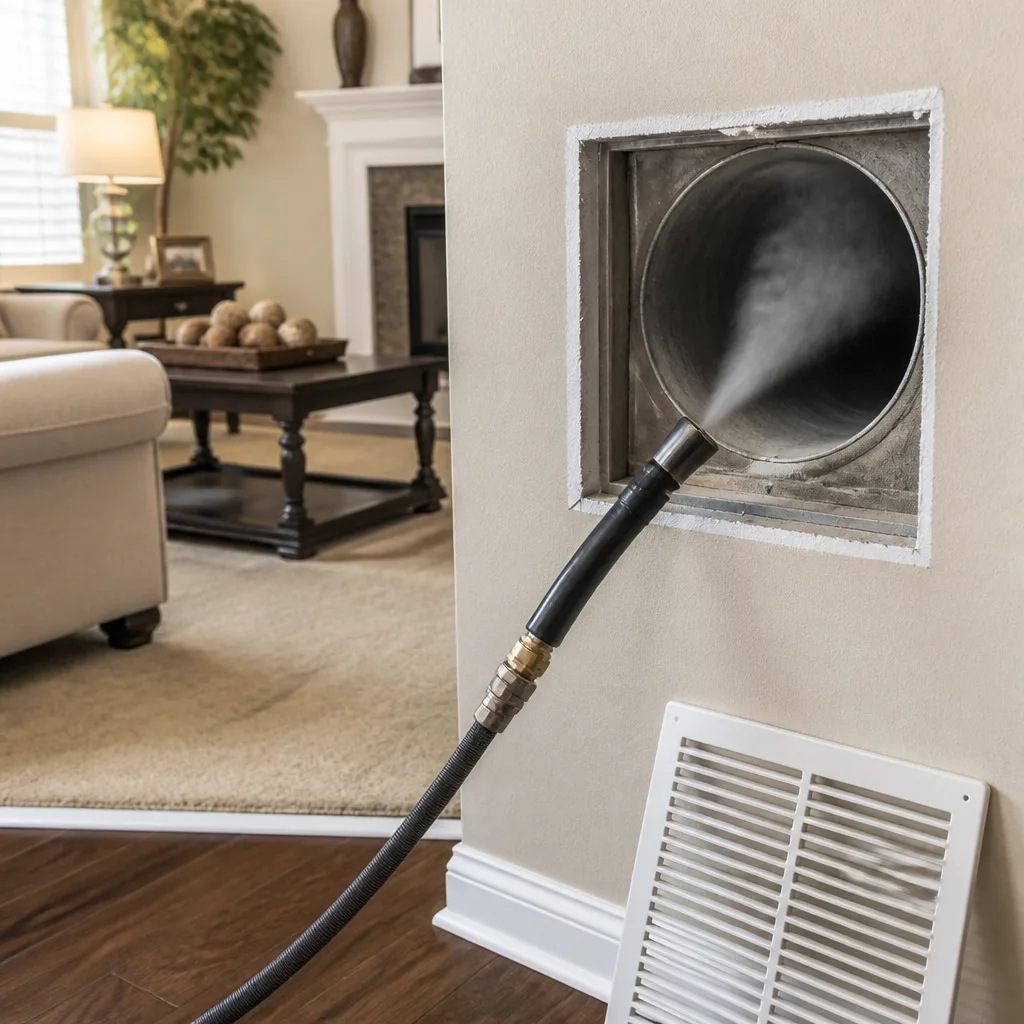
Whole-system duct and dryer vent check with before-and-after photos - you see exactly what came out of your vents
That "$99 whole-house special" is a bait ad - the real number appears once they are in your hallway, or the "clean" is a shop-vac at the register. We photograph the inside of your ducts before and after instead.
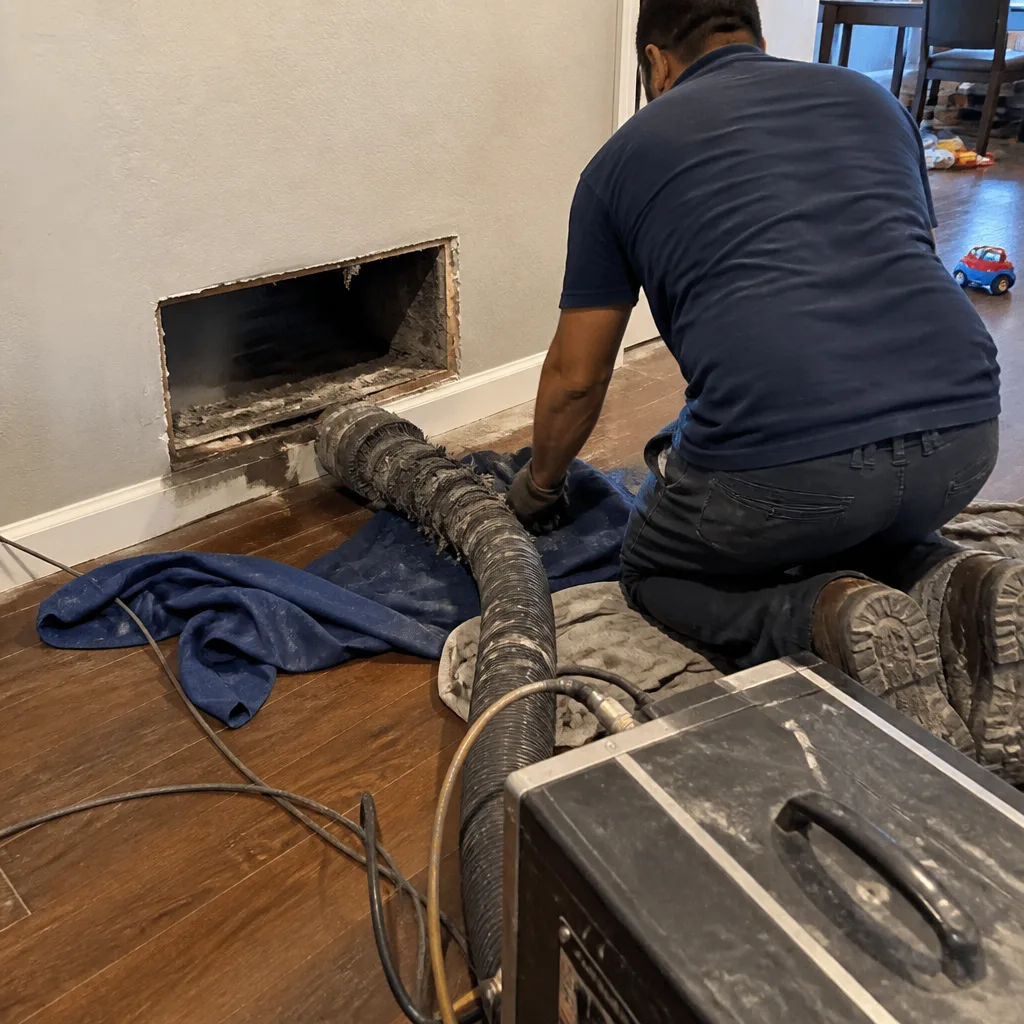 Before
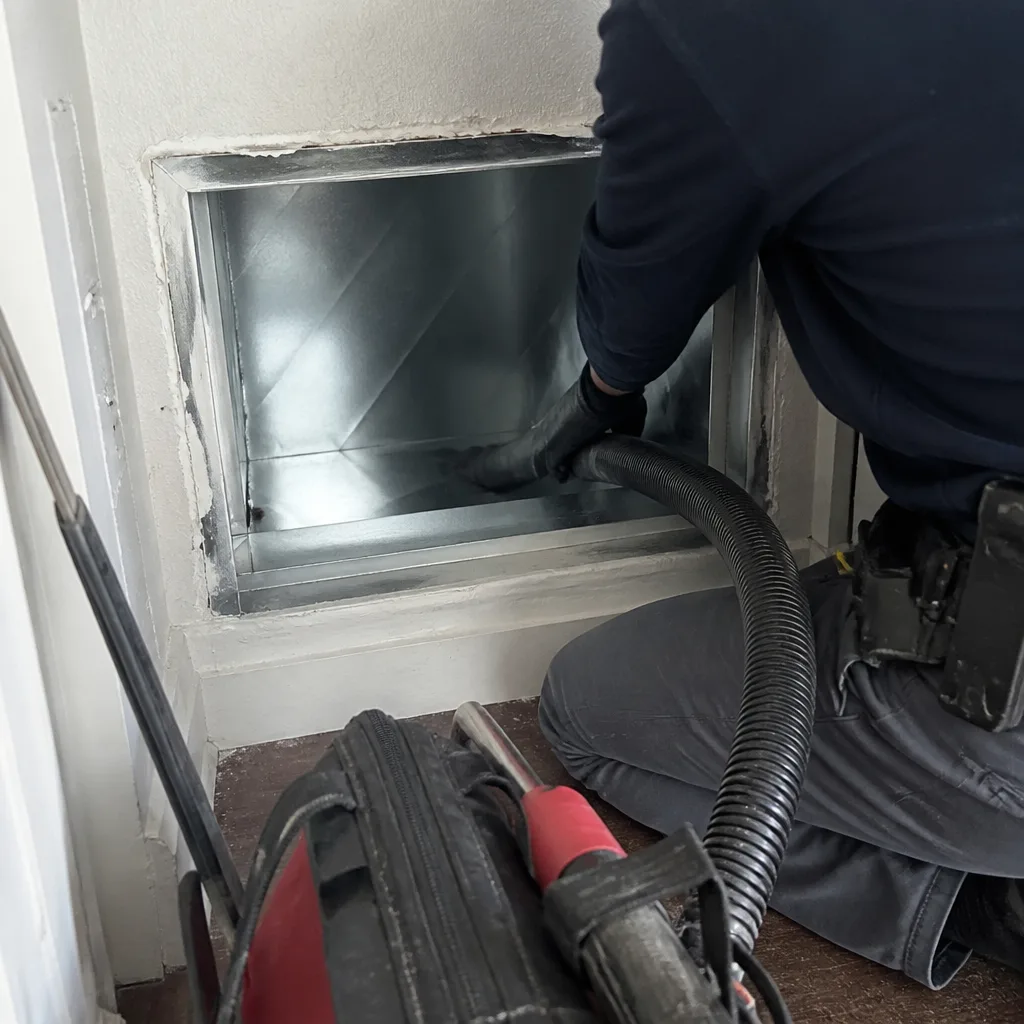 After
After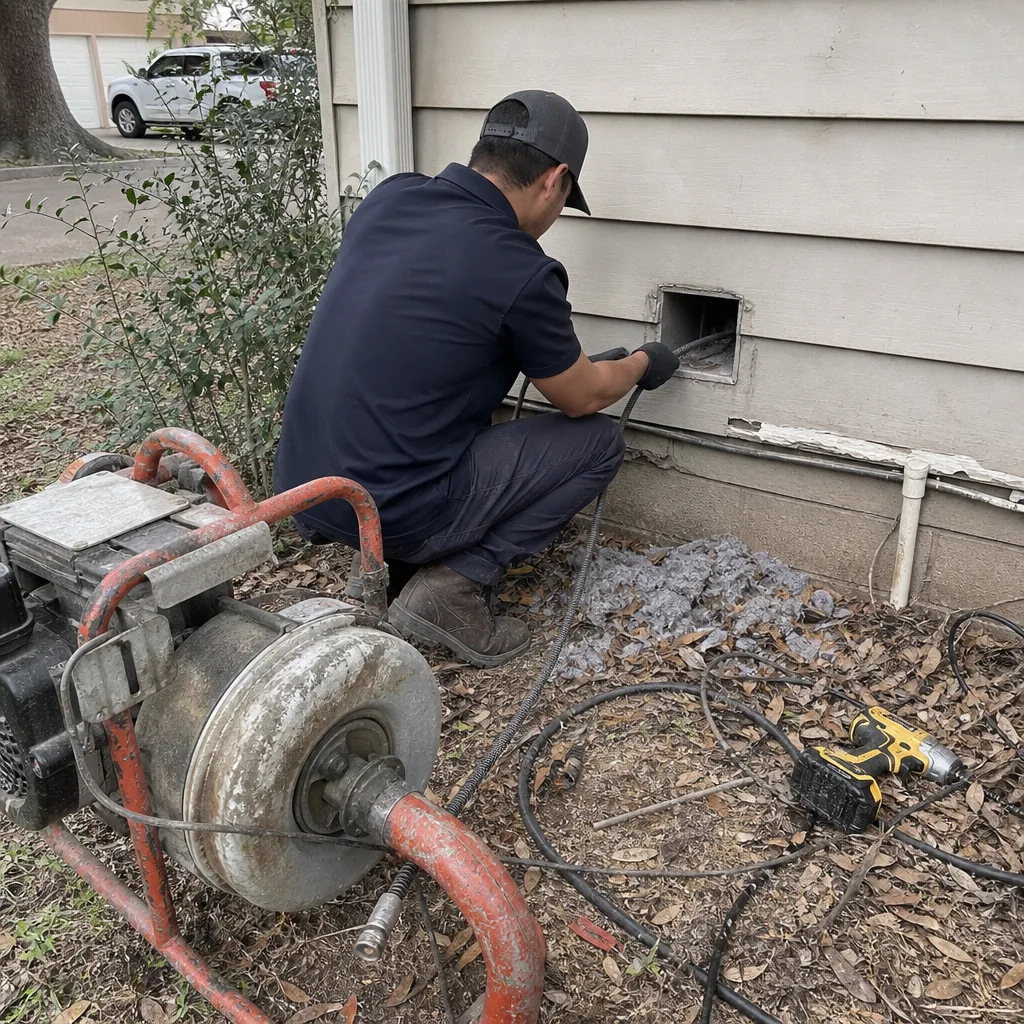 Before
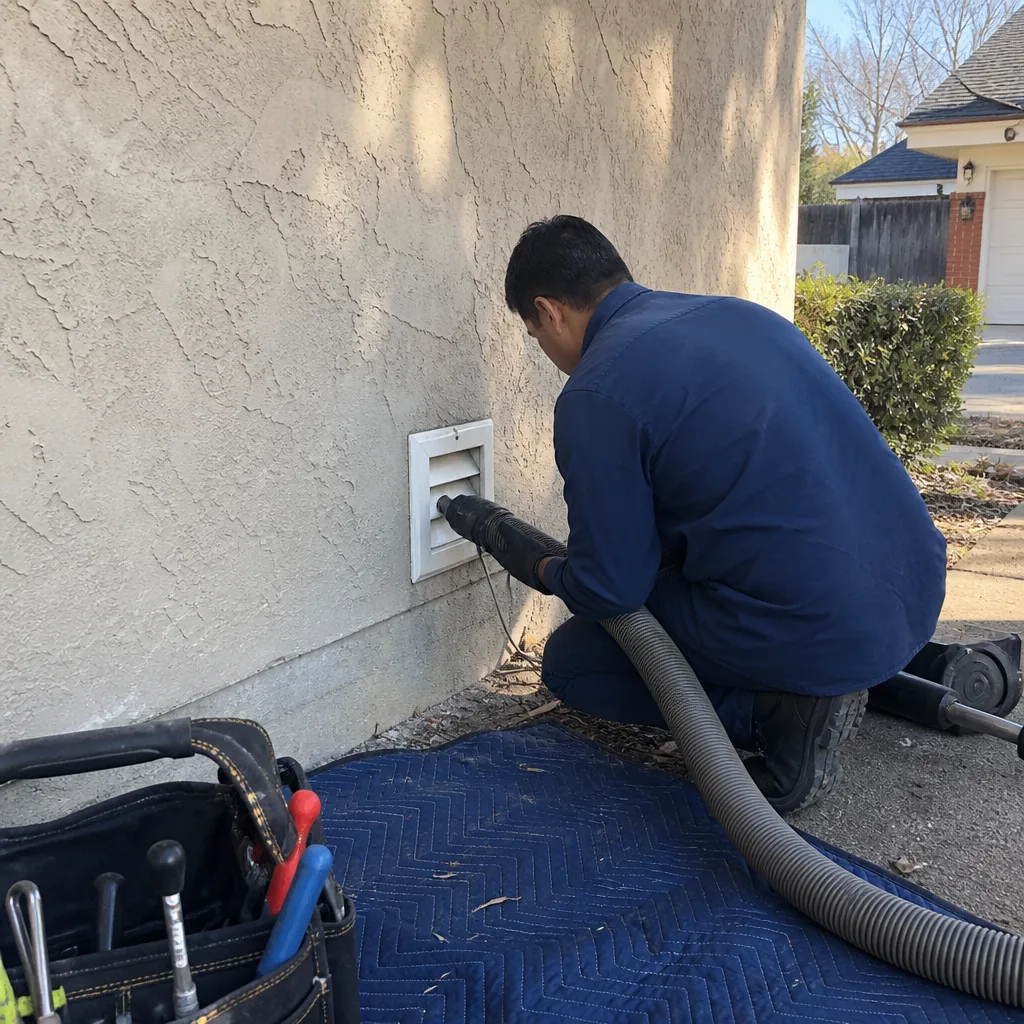 After
After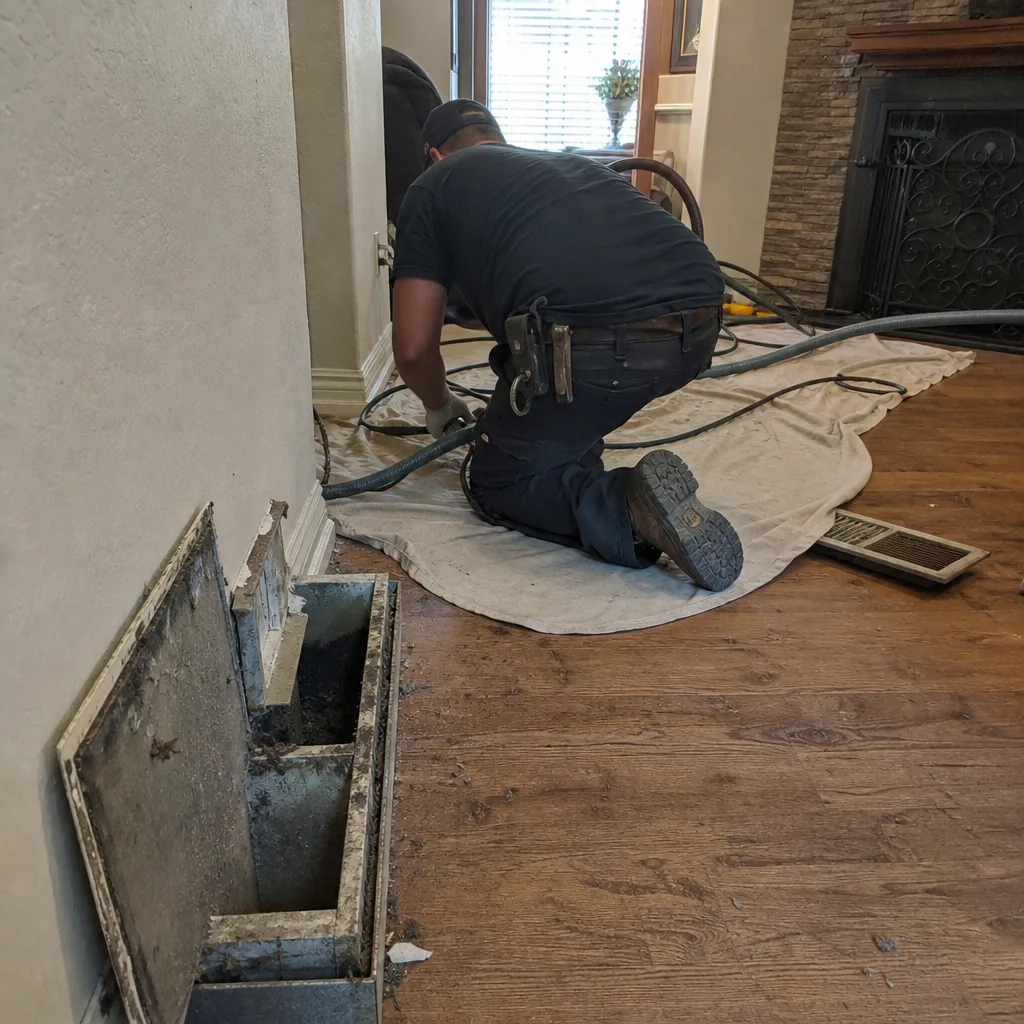 Before
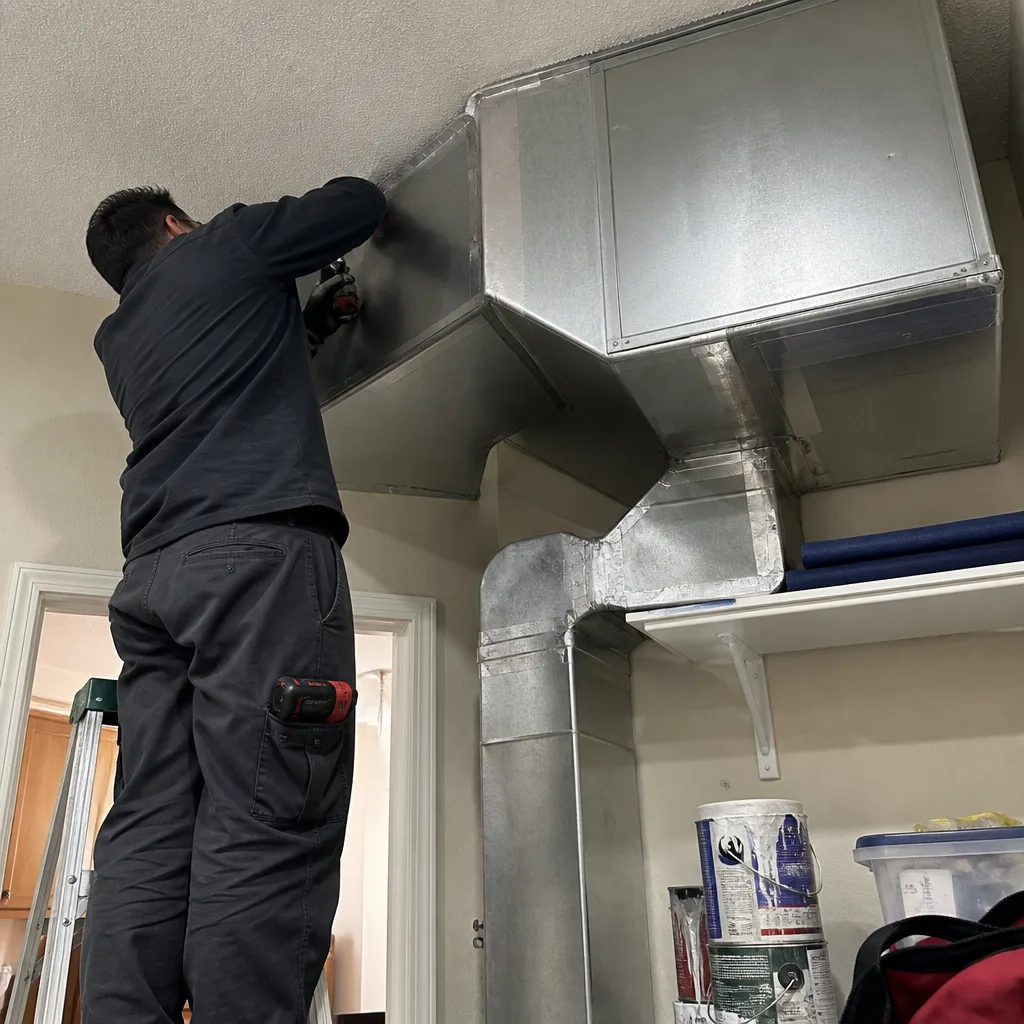 After
AfterGuardsman Vent Sanitizing: The Dallas Owner’s Guide
Guardsman vent sanitizing systems in Dallas typically run $280-$420 installed for a whole-home treatment, and we stock Guardsman-compatible sanitizing agents and application hardware for same-day scheduling. Most Dallas homeowners discover the need after catching a persistent musty smell near registers, noticing uneven airflow between rooms, or receiving post-renovation air quality concerns from a home inspector. The Guardsman line, distributed through HVAC wholesale channels, uses a fogger-based delivery system paired with EPA-registered sanitizing compounds, and the failure point is usually the application nozzle or the chemical reservoir seal, not the compound itself.
We’ve been running jobs across Dallas since 2013, including properties near the Design District where older buildings hold onto dust and debris in ways newer construction doesn’t. Our crews carry Guardsman-compatible replacement nozzles, reservoir assemblies, and the full compound line on every truck.
Which Guardsman Models This Applies To
Guardsman vent sanitizing equipment breaks into two series: the residential GS-R line (GS-R100, GS-R200, GS-R300) and the commercial-grade GS-C line (GS-C500, GS-C750). The GS-R series uses a 1.5-gallon reservoir with a twist-lock nozzle rated for 2,000-3,500 square foot homes. The GS-C line steps up to a 3-gallon reservoir and a higher-output nozzle for larger ductwork or multi-zone systems common in Preston Hollow and Lakewood renovations.
To identify your unit, check the silver data plate on the fogger motor housing. The model code sits above the serial number. If the plate is worn, measure the reservoir mouth: GS-R units measure 3.25 inches across the threaded collar; GS-C units measure 4.5 inches. This matters because the nozzles are not cross-compatible, and forcing a GS-C nozzle onto a GS-R collar cracks the reservoir threads, a mistake we see a few times each year in Dallas.
CleanRun Air Duct Cleaning Dallas is an independent service provider, not affiliated with Guardsman. We stock OEM Guardsman nozzles and reservoirs, plus quality aftermarket equivalents from Nikro that meet the same output specs at a lower parts cost. The aftermarket route makes sense for units past year seven, when the motor housing itself often shows wear. For units under five years, we typically recommend OEM to preserve any remaining manufacturer coverage.
Signs Your Guardsman Vent Sanitizing Is Failing
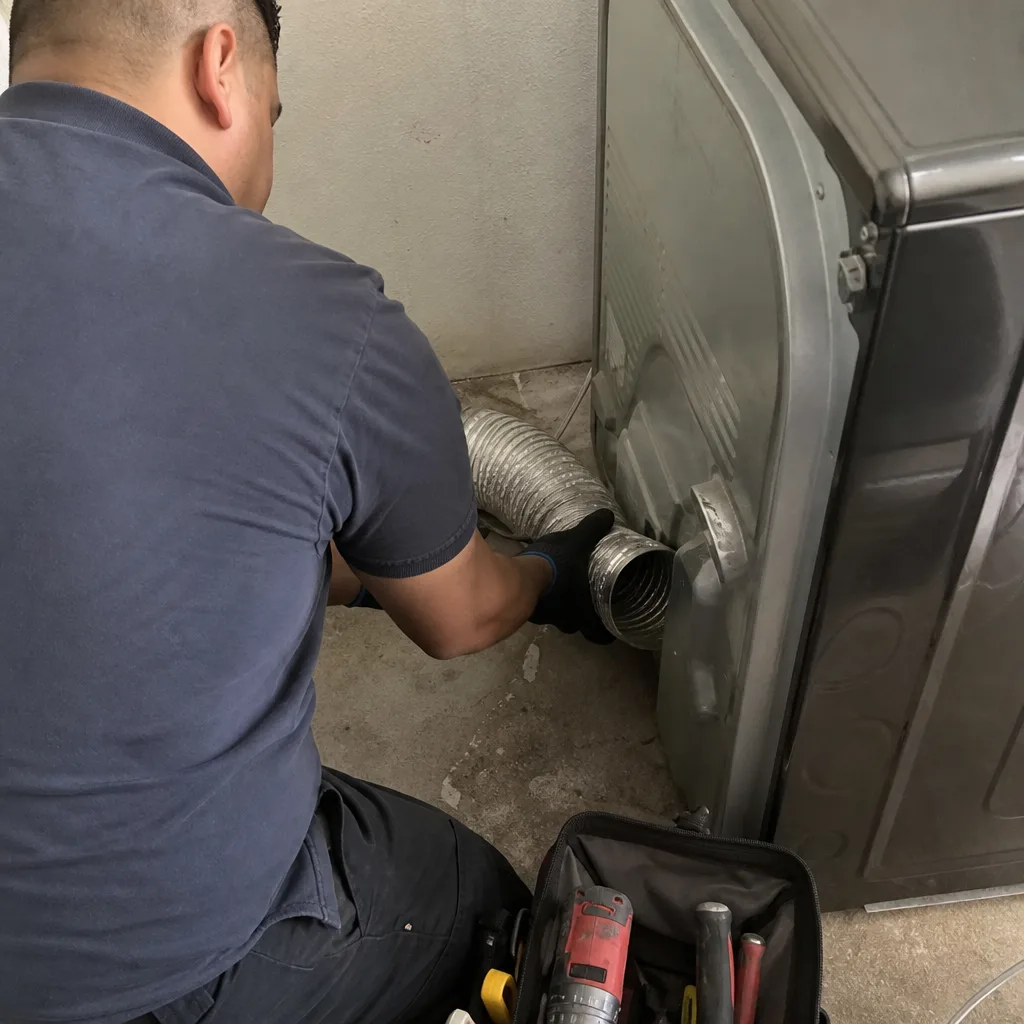
- Uneven chemical distribution with visible pooling at registers. The fogger nozzle orifice wears oval over time, especially in Dallas hard water areas like parts of Richardson and Garland where mineral content accelerates calcification on the spray tip. The camera shows a distorted spray pattern before the homeowner notices the smell imbalance.
- Reservoir leaks during operation or storage. The EPDM seal gasket hardens in Texas attic heat, losing pliability after roughly four to six years of seasonal temperature swings. We replace the seal and pressure-test the reservoir before returning it to service.
- Motor runs but no fog output. The pickup tube inside the reservoir can crack where it bends toward the bottom, or the inline filter clogs with compound residue. Both are inspectable without disassembling the motor housing.
- Intermittent operation or automatic shutoff. Guardsman foggers carry a thermal cutoff switch that trips when the motor overheats, usually from running dry or from a blocked exhaust vent. Resetting the switch without fixing the cause burns out the motor windings.
- Persistent microbial odor returning within weeks of treatment. This indicates the sanitizing compound reached the registers but did not penetrate the duct run fully, a symptom of insufficient pressure from a worn nozzle or incorrect dilution ratio. The photo record from our camera inspection shows whether the compound coated the full duct surface or just the first few feet.
BeforeAfterReplacement Cost & What’s Included
| Service | Typical Range (Dallas) | What’s Included |
|---|---|---|
| Guardsman nozzle replacement (OEM) | $85-$140 | Parts, labor, spray-pattern verification, 365-Day Done Right Promise |
| Guardsman nozzle replacement (aftermarket) | $65-$110 | Nikro-compatible nozzle, labor, same verification and warranty |
| Reservoir seal replacement | $45-$75 | EPDM gasket, surface prep, pressure test, photo documentation |
| Full reservoir assembly (GS-R or GS-C) | $120-$195 | Assembly, seal, nozzle if needed, pressure test, system run verification |
| Whole-home vent sanitizing with Guardsman compound | $280-$420 | Negative-pressure extraction prep, fogger treatment per duct run, before/after photo record, written scope |
The range depends on three factors: whether we can access the fogger unit without moving stored items in the attic, whether the ductwork needs pre-cleaning for the compound to adhere properly, and whether the homeowner wants the full photo record delivered digitally or printed. Haven Standard Clause 1 applies: the written price, delivered before any work starts, is the price on the invoice. No per-vent add-ons, no compound upcharges.
Every sanitizing job carries the 365-Day Done Right Promise in writing. If odor returns or distribution proves uneven, we return and retreat at no charge. The photo record, included on every visit, becomes the baseline for that determination.
DIY or Call Us?
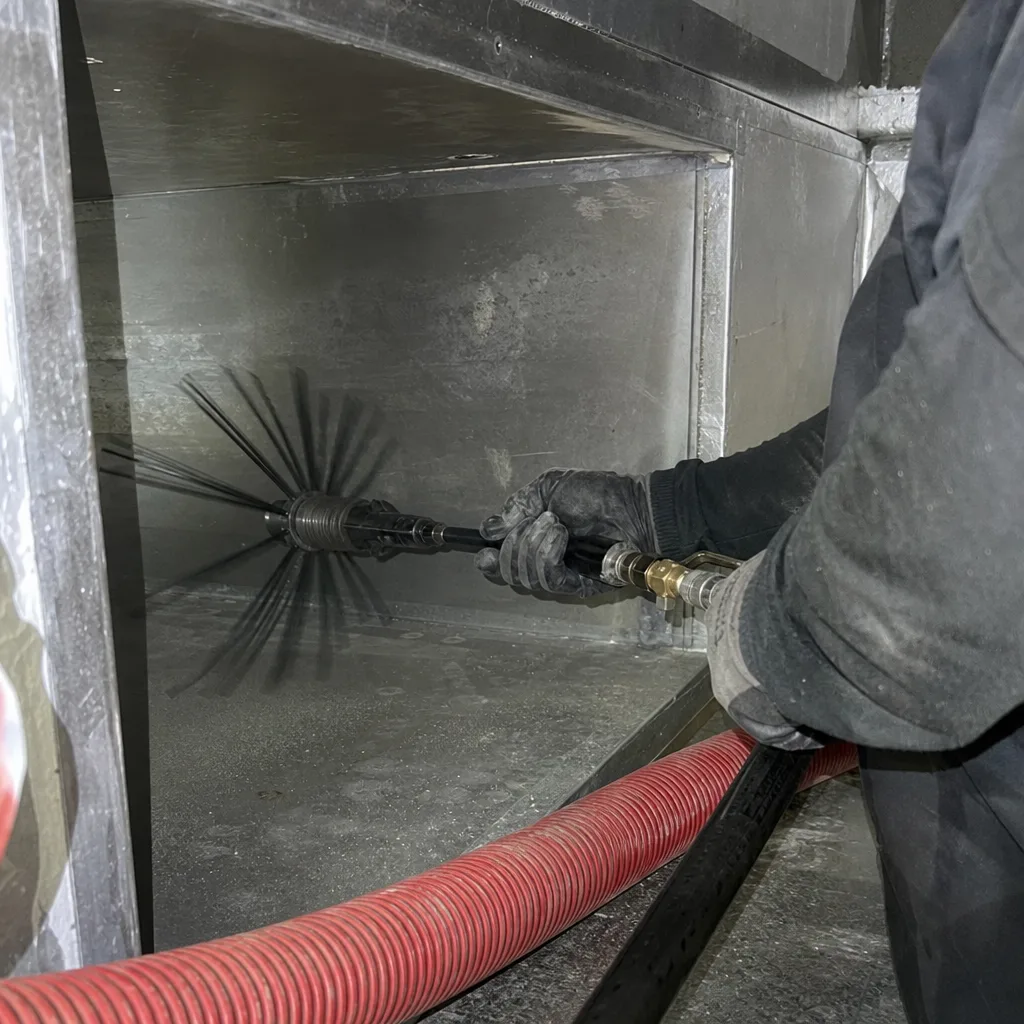
What a Dallas homeowner can safely check: verify the power cord connection, confirm the reservoir has compound at the correct dilution (the Guardsman label specifies 4:1 for residential applications), and inspect the nozzle tip for visible mineral buildup or physical damage. These checks require no tools beyond a flashlight.
Where DIY goes wrong: the fogger motor operates at 120 PSI internal pressure, and the reservoir seal must hold vacuum as well as pressure. A seal that looks intact to the eye can leak under operation, spraying sanitizing compound into attic insulation or electrical junction boxes. The thermal cutoff switch, if bypassed or reset repeatedly, creates a fire risk in a hot Dallas attic. We do not recommend disassembling the motor housing.
Our crews carry replacement parts for both GS-R and GS-C lines on every truck, and we pressure-test every reassembly before the unit runs. Call (469) 405-6133 for a written estimate before any work starts.
FAQs
In Dallas conditions, the fogger motor typically runs 8-12 years with annual maintenance, but the nozzle and reservoir seal need replacement every 4-6 years due to heat cycling and hard water mineral exposure. Attic-installed units in older homes near the Design District tend toward the shorter end of that range. Call (469) 405-6133 for an exact quote on your unit, estimates are free.
No. The nozzle orifice is machined to a precise spray angle that cannot be restored once worn oval, and the EPDM seal gasket is a single-use component that loses its compression set after the first heat cycle. We stock both parts and can swap either in under an hour. Call (469) 405-6133 for a written estimate.
A nozzle or seal replacement takes 45-60 minutes including pressure testing and spray-pattern verification. A full reservoir assembly swap runs 90-120 minutes if we need to re-mount brackets in a cramped attic. We photograph every duct run before and after as part of the standard job record. Call (469) 405-6133 to schedule.
We stock OEM Guardsman nozzles and reservoirs, plus Nikro aftermarket equivalents, on every service truck. Same-day scheduling is available for most Dallas addresses. We also carry Lennox, Trane, and Carrier sanitizing hardware for mixed-system homes. Call (469) 405-6133 to confirm availability for your model.
Written by Tomas Reyes, Owner, CleanRun Air Duct Cleaning Dallas at CleanRun Air Duct Cleaning Dallas, serving Dallas and nearby areas.