
Whole-system duct and dryer vent check with before-and-after photos - you see exactly what came out of your vents
That "$99 whole-house special" is a bait ad - the real number appears once they are in your hallway, or the "clean" is a shop-vac at the register. We photograph the inside of your ducts before and after instead.
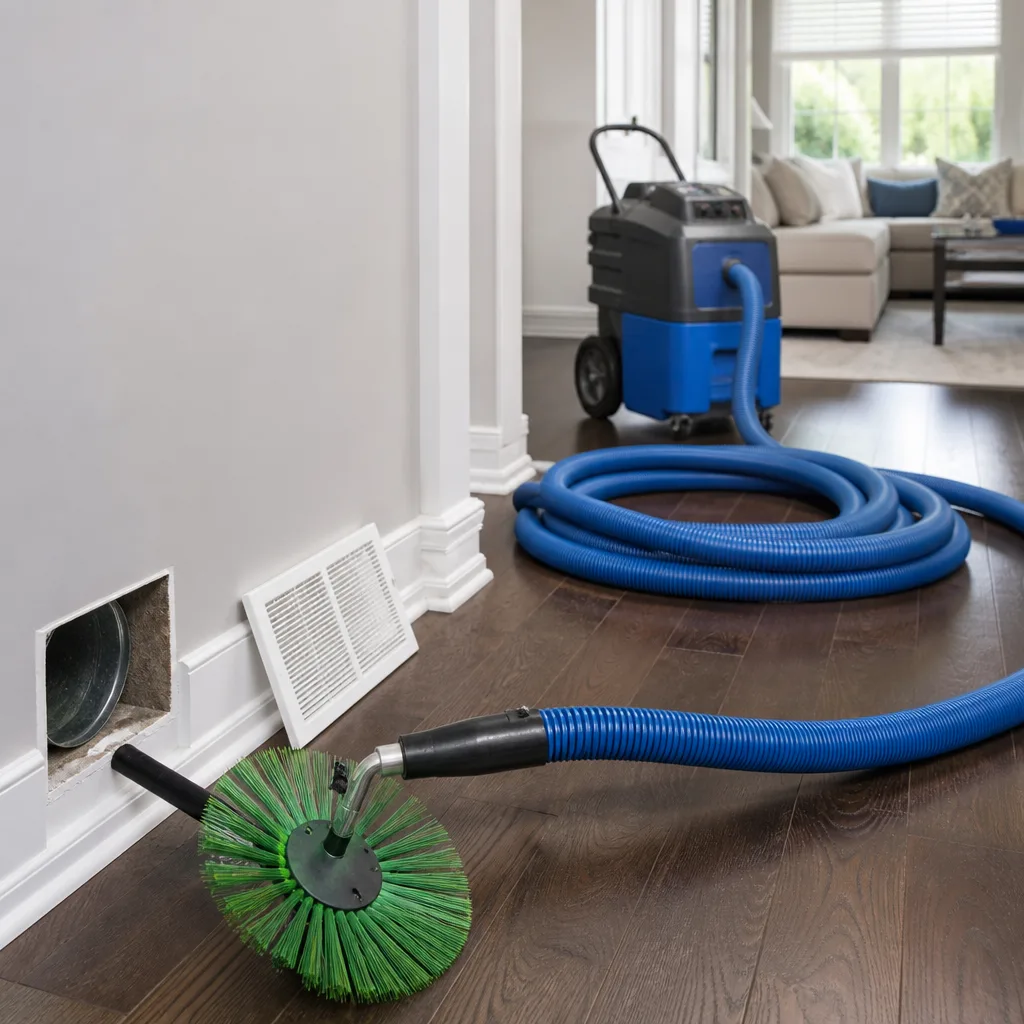
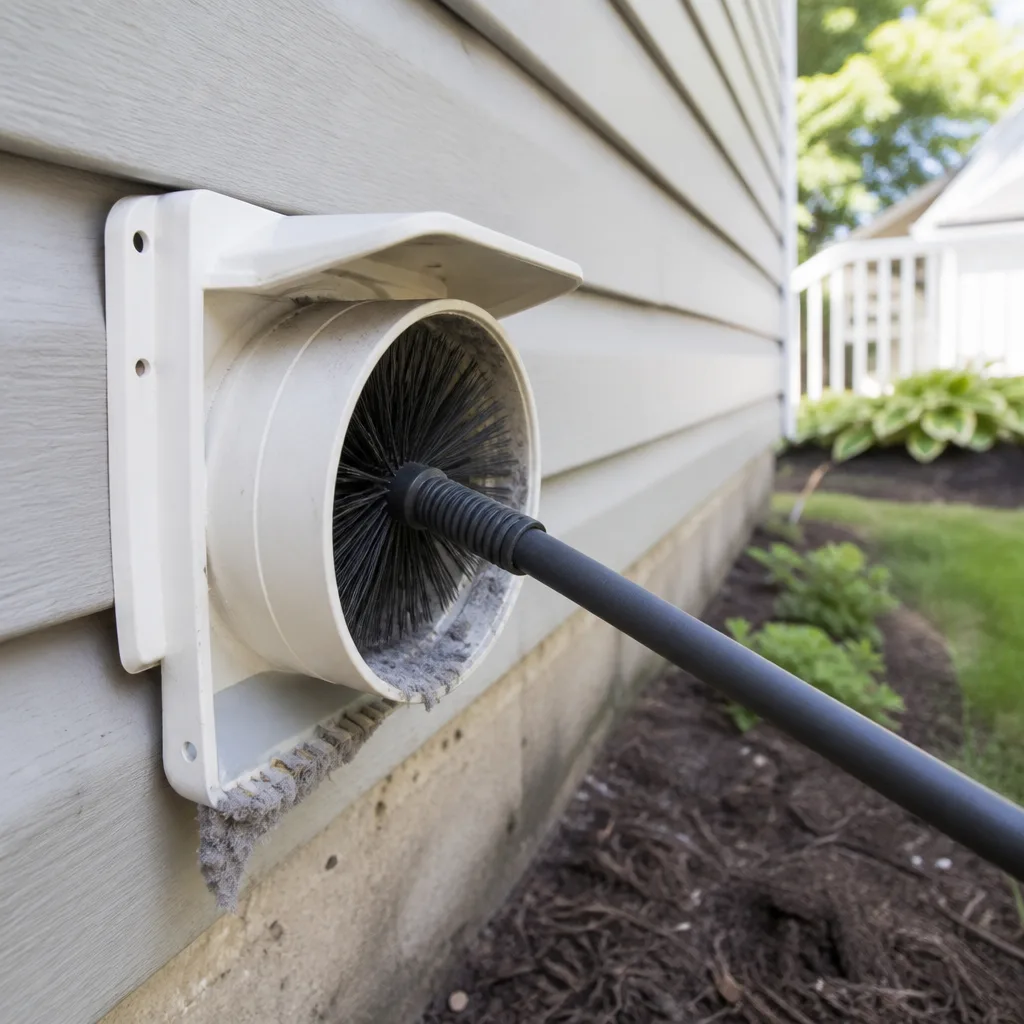
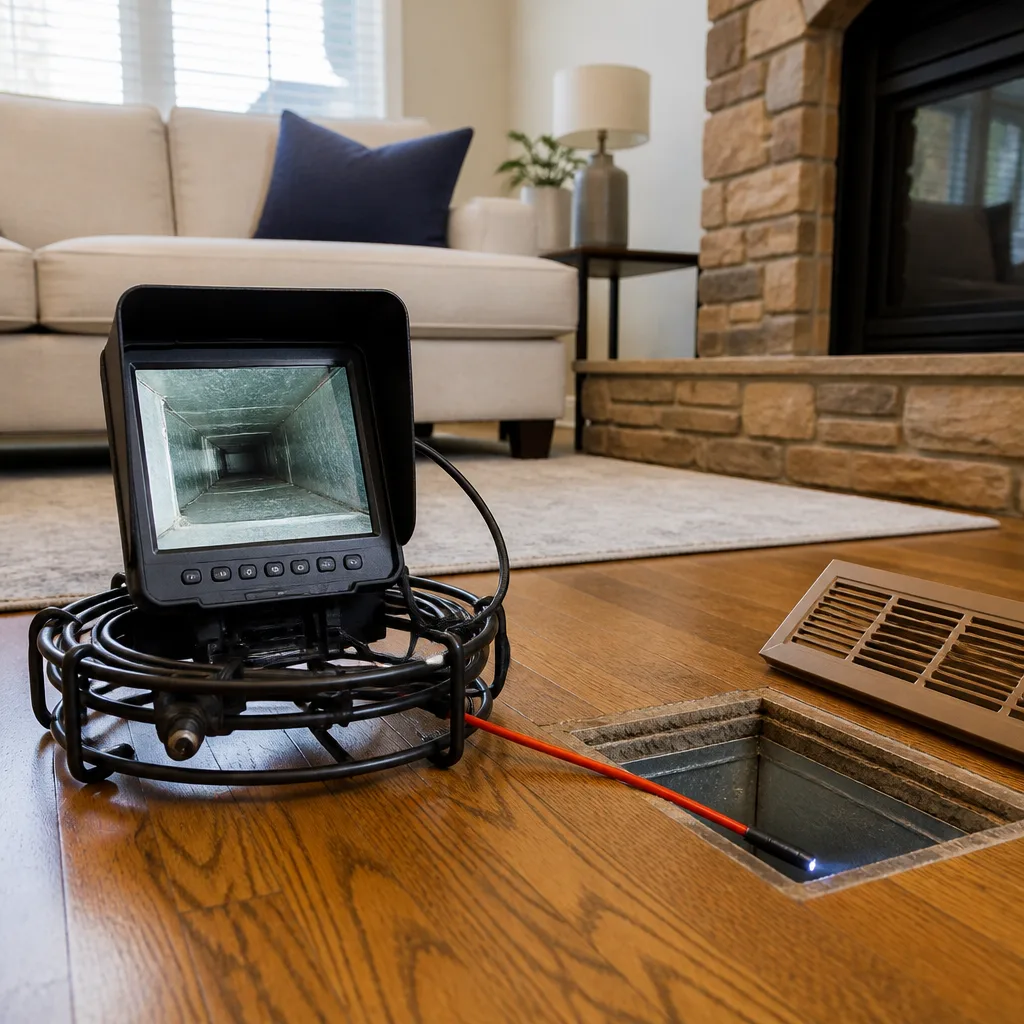
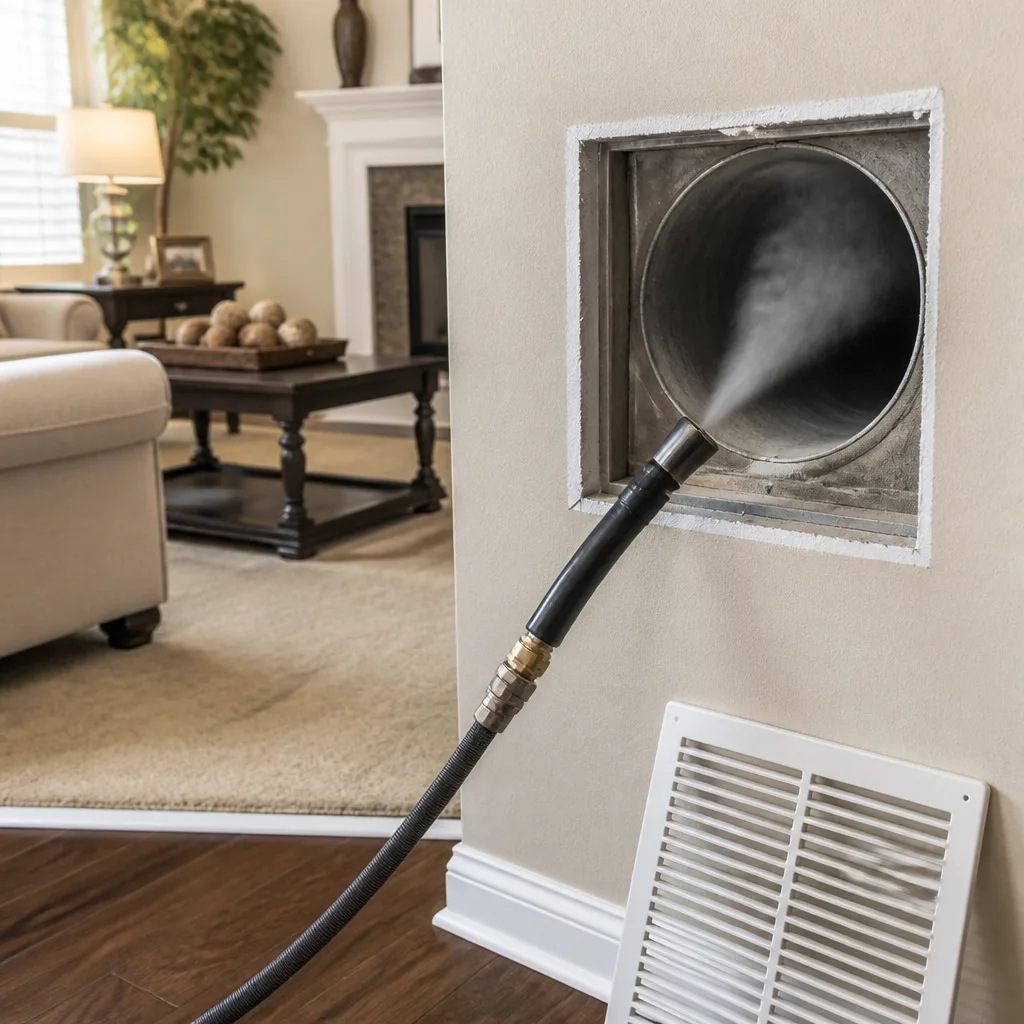
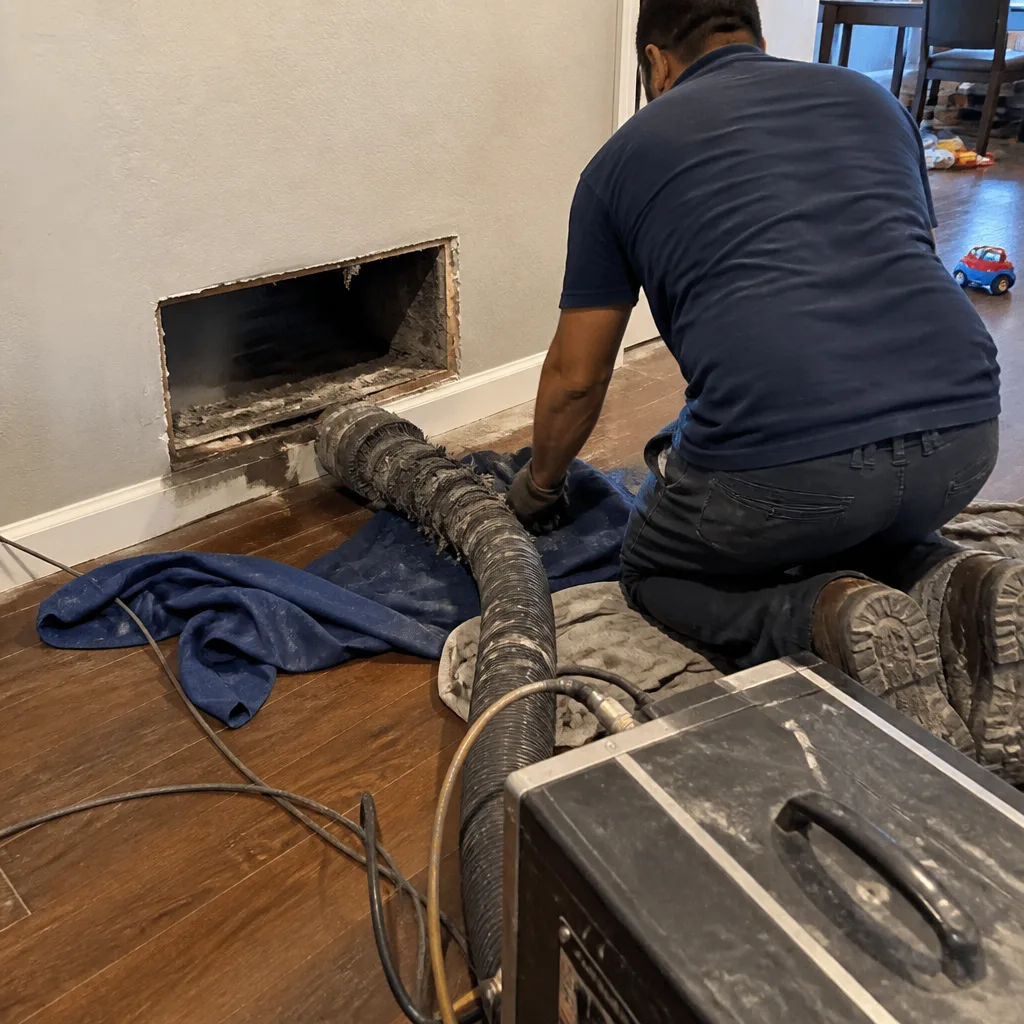 Before
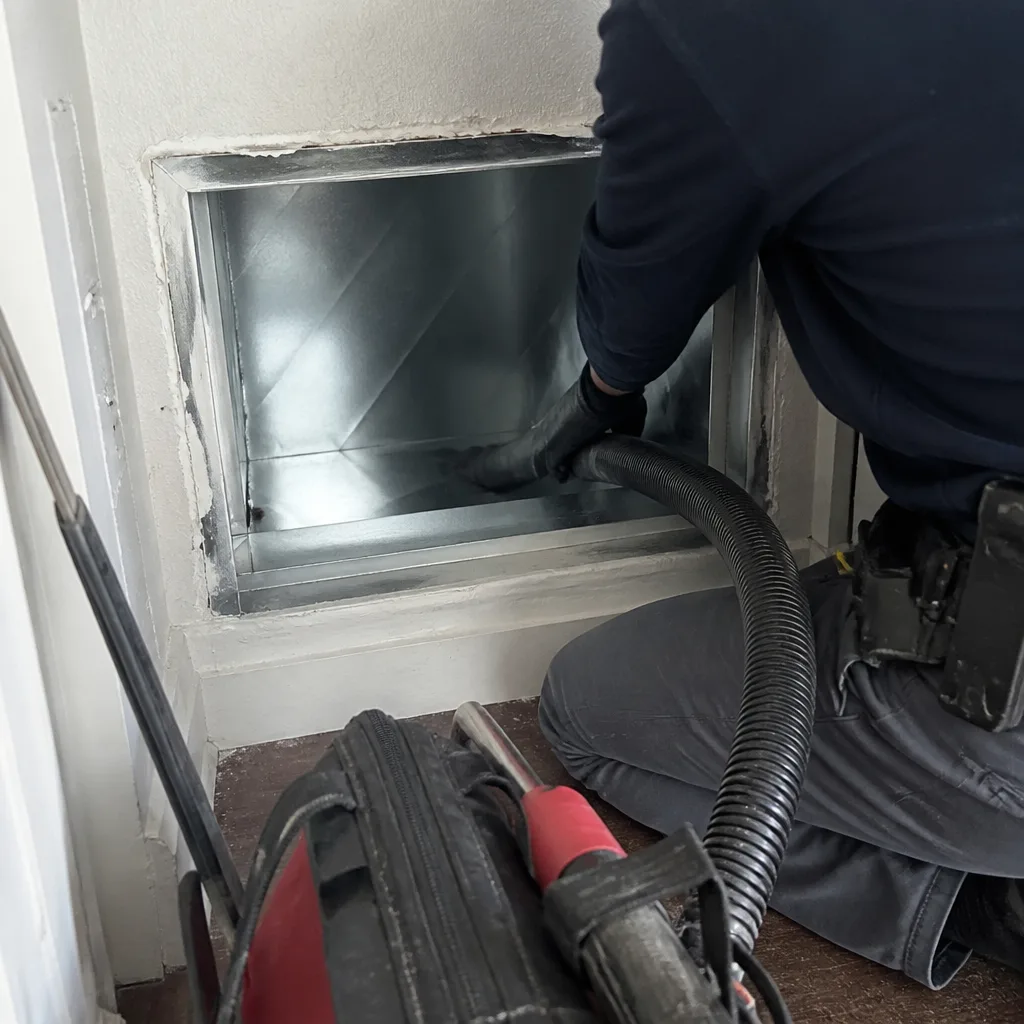 After
After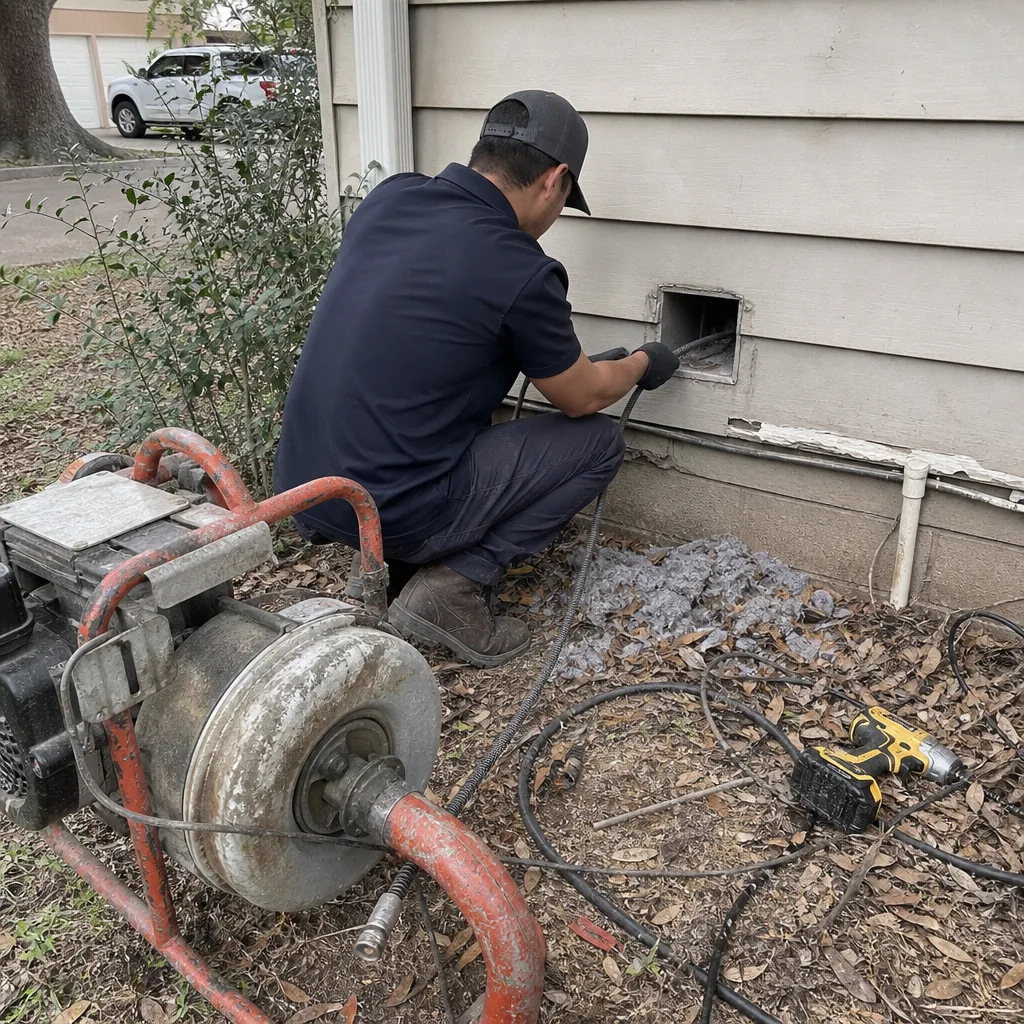 Before
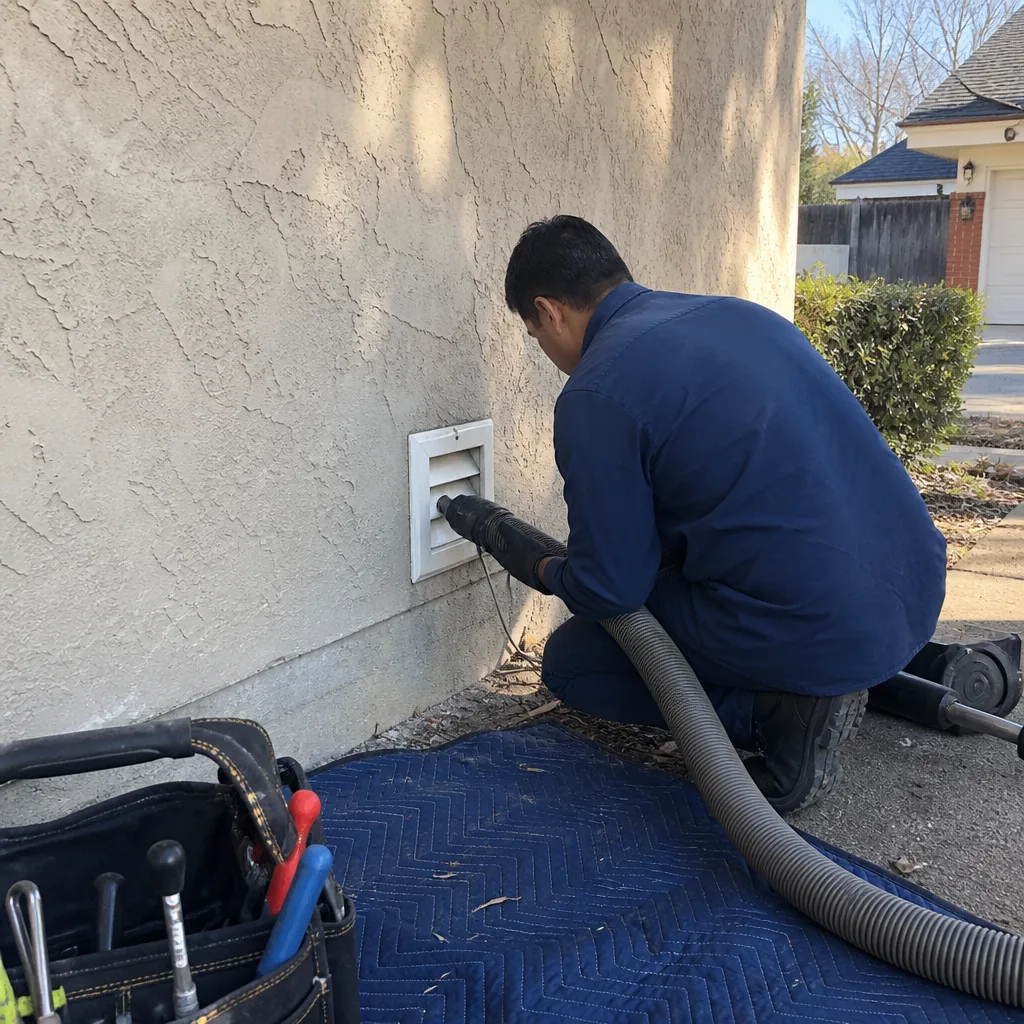 After
After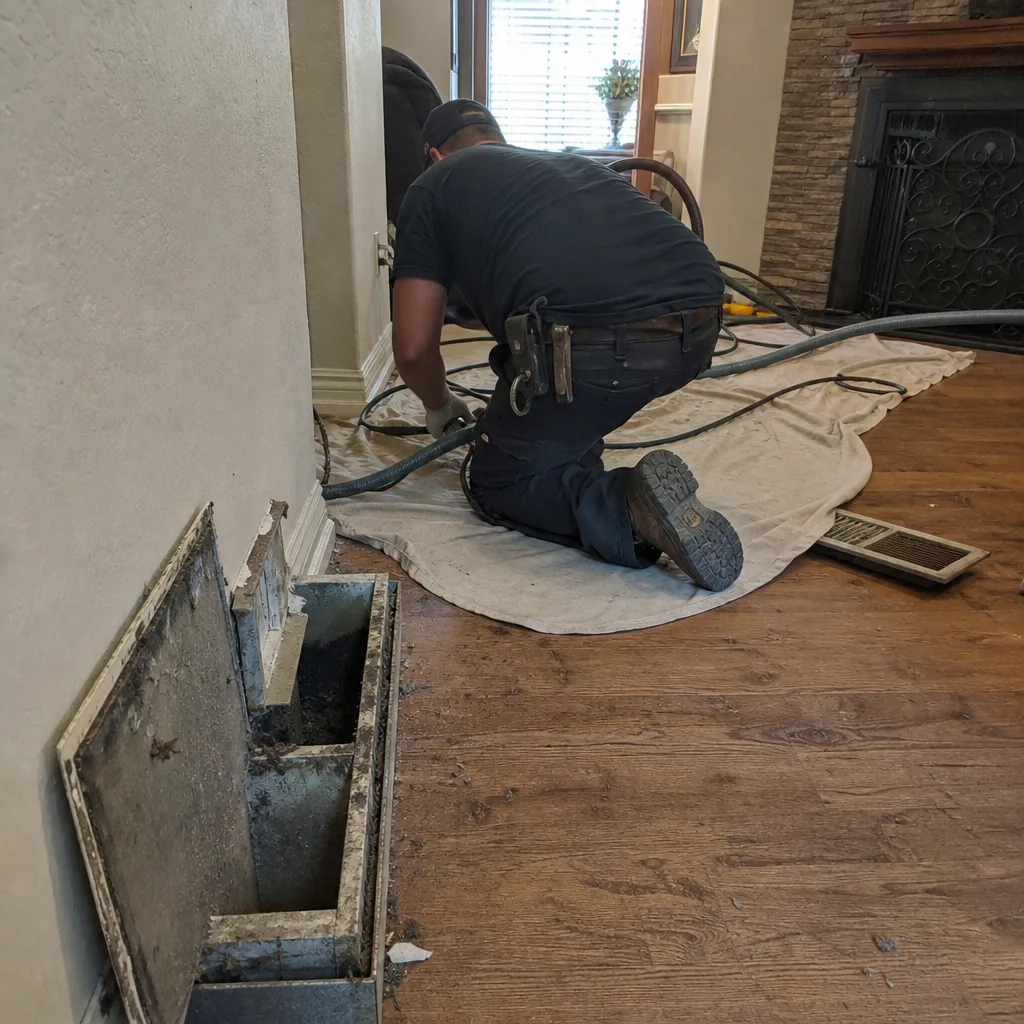 Before
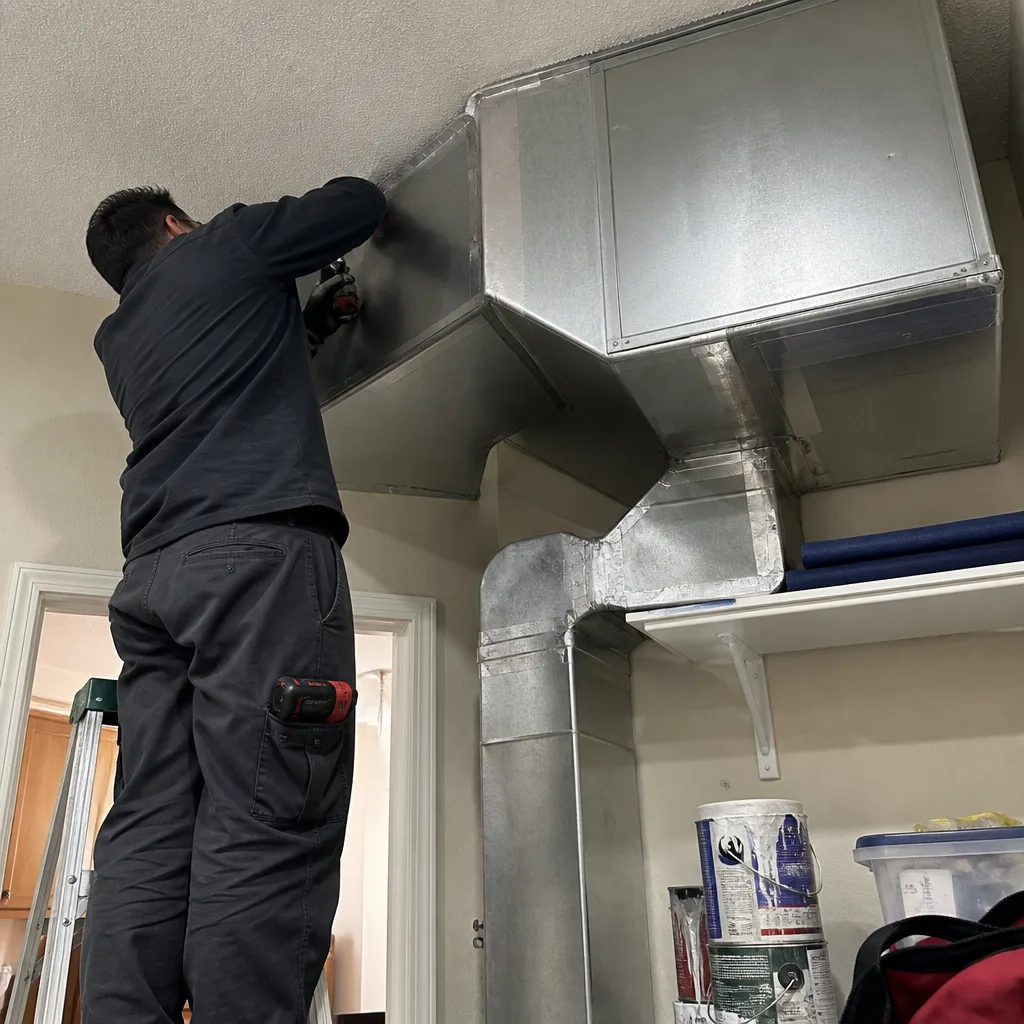 After
AfterHoneywell Register & Grille Cleaning: The Dallas Owner’s Guide
Honeywell register and grille cleaning in Dallas typically runs $180-$340 for a whole-system service, depending on how many registers your home has and whether the plenum (the main distribution box connected to your HVAC unit) needs attention too. We stock the full range of Honeywell-compatible tools and attachments on every truck, and most jobs are completed in a single visit. Most Dallas homeowners realize their registers need professional cleaning when they notice uneven airflow between rooms or a persistent layer of dust reappearing on furniture within days of wiping it down.
Which Honeywell Models This Applies To
Honeywell’s residential register and grille ecosystem spans several series, and knowing which you have determines both the cleaning approach and whether any components need replacement rather than just cleaning. The most common in Dallas homes built between 2015 and 2025 are the Honeywell Home PRO series, the older FocusPRO-compatible grilles, and the occasional commercial-grade T7750 line found in larger properties near Uptown and the Design District. Check the edge of your register for a stamped model prefix: “HR” indicates a standard residential grille, “HRV” signals a return-air vent with a built-in filter frame, and “PRO” denotes the newer snap-fit series that requires a different extraction attachment to avoid cracking the louver tabs.
We clean with both OEM Honeywell attachments and quality aftermarket equivalents from Guardsman and Abatement Technologies, depending on what your specific grille geometry demands. The aftermarket tools often reach deeper into the duct run behind the register, which matters in Dallas where cottonwood pollen and construction dust from ongoing development tend to pack tightly past the visible grille face. One compatibility gotcha: the PRO series grilles use a narrower slot pattern than the HR line, and forcing a standard brush head through will deform the louvers. We match the tool to the slot pitch, measured on site, before any contact.
Signs Your Honeywell Register & Grille Cleaning Is Failing
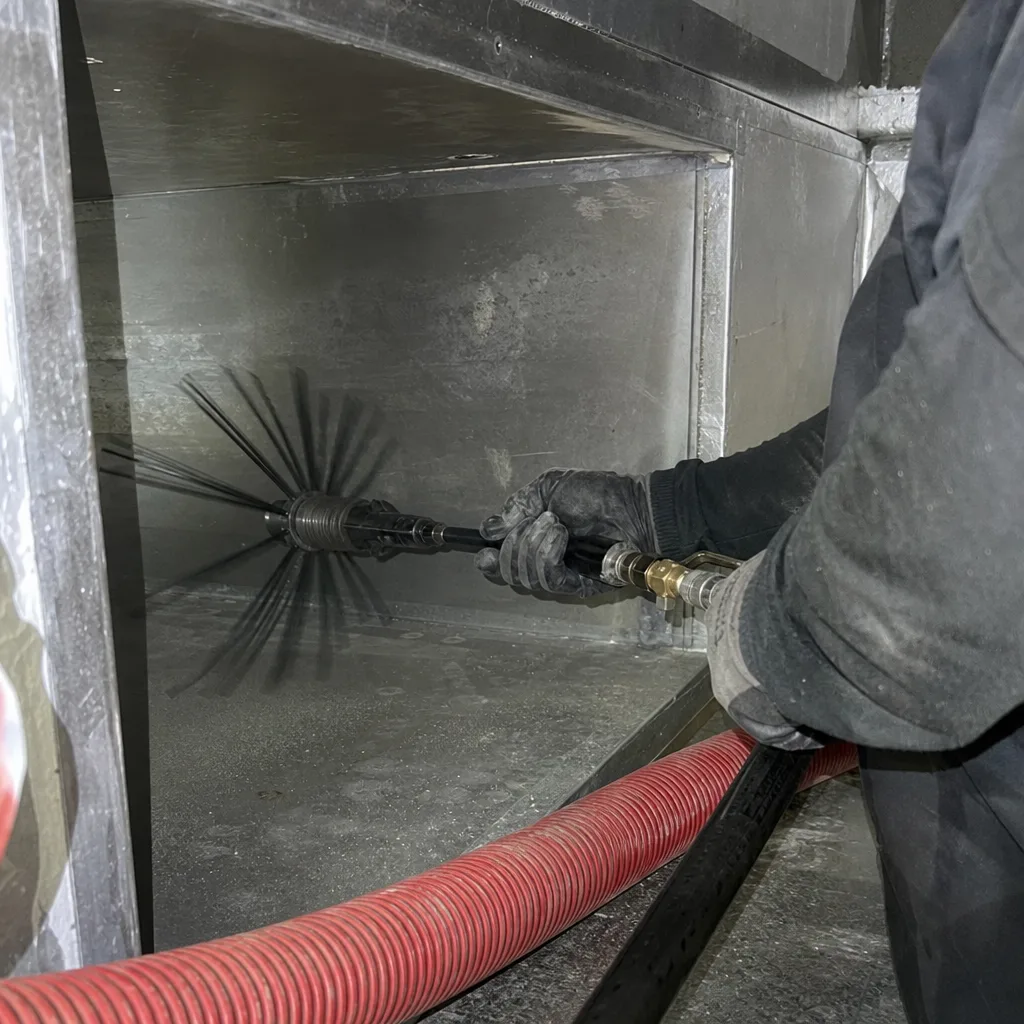
- Uneven room temperatures. One bedroom runs four degrees warmer than the hallway, even with the damper fully open. The camera usually shows a debris collar built up behind the register, restricting airflow to that duct run while forcing more air to others.
- Dust resettling within 24-48 hours of cleaning. You wiped the coffee table Tuesday; by Thursday it’s filmed again. This points to registers acting as pumps, blowing settled debris from the ductwork into living space each time the blower cycles.
- Visible mold or mildew at register edges. In Dallas’s humidity, especially in first-floor rooms with slab foundations, condensation collects where cool supply air meets warm grille metal. The dark staining you see is typically feeding on dust that professional extraction would remove.
- Whistling or rattling that changes with fan speed. Not all noise is loose screws. Sometimes the sound is turbulent airflow squeezing past a partial blockage, or a deformed louver from a previous DIY cleaning attempt.
- Persistent musty odor when HVAC first kicks on. The “first blast” smell is debris baking off the heat exchanger, but if it lingers beyond thirty seconds, the source is often organic material held in the register and immediate duct throat, repeatedly reheated.
BeforeAfterReplacement Cost & What’s Included
Whole-system Honeywell register and grille cleaning in Dallas runs $180-$240 for homes with up to 12 registers, and $260-$340 for larger homes with 16 or more, including the plenum and main trunk lines. That range covers labor, equipment, and the documented photo record; it does not include register replacement if we find cracked or warped grilles that won’t seal properly after cleaning.
What drives the spread: accessibility (registers behind built-in shelving take longer), the degree of buildup (a 2-inch debris collar requires more extraction passes than surface dust), and whether your system includes the Honeywell electronic air cleaner cabinet, which must be bypassed or protected during the process. We put the exact price in writing before any panel comes off, per Haven Standard Clause 1. The work is backed by our 365-Day Done Right Promise, and you receive the full photo record of every duct run as a standard deliverable, not an add-on.
DIY or Call Us?
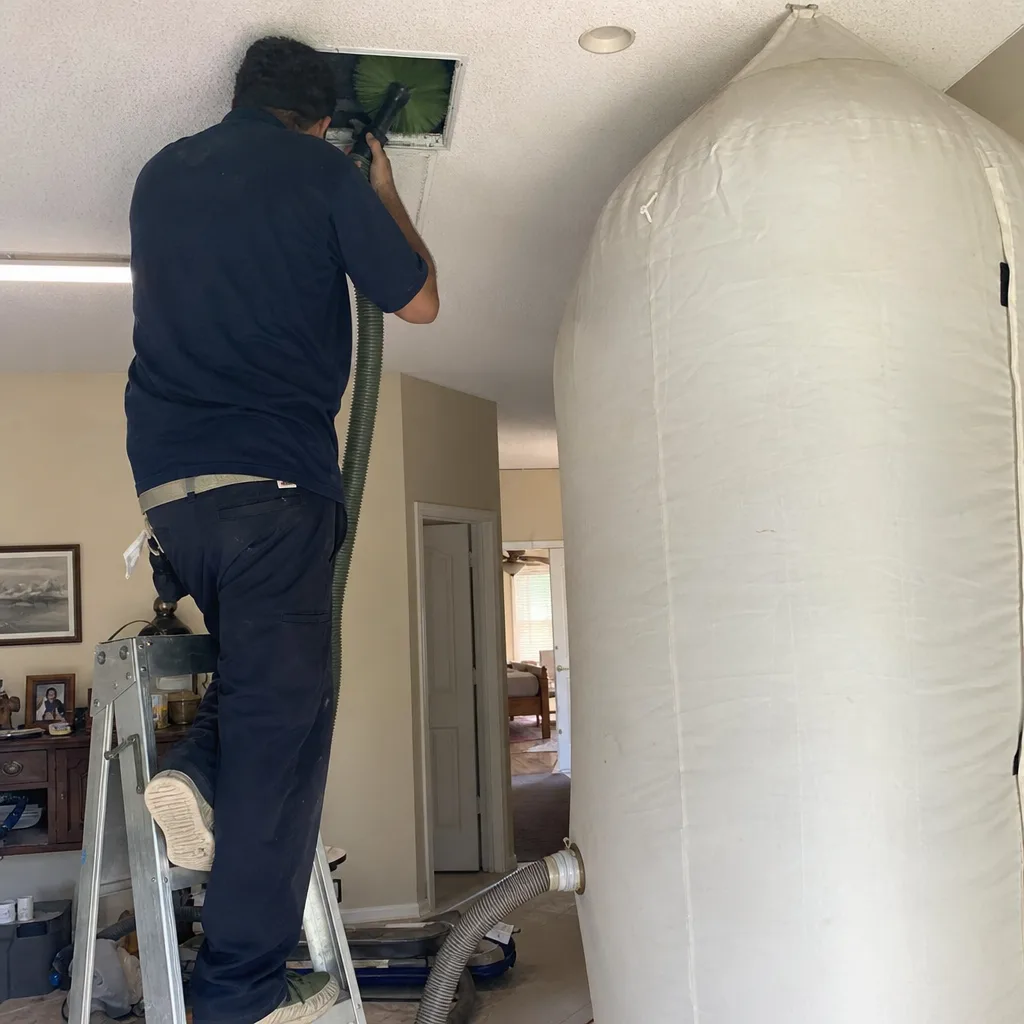
There’s a safe middle ground here. You can remove a Honeywell register yourself: most residential grilles lift out after releasing two spring clips or removing a pair of Phillips screws. What you see with a flashlight and a phone camera, looking into the duct throat, is information worth having. If it’s clean metal and a few inches in, you’re likely fine until your next scheduled service.
Where DIY goes wrong is pushing a household vacuum attachment or brush deeper than the register neck. The flex duct behind many Dallas registers is Mylar-sheathed wire coil, easily torn by aggressive contact. Worse, without negative-pressure extraction, you’re dislodging debris into the airstream without capturing it, which often makes indoor air quality worse for the next 48 hours. We use Rotobrush and Nikro equipment with HEPA containment for this reason. If your flashlight shows buildup past the first elbow, or if the register itself is damaged, that’s the point to call (469) 405-6133 and let us show you what the camera sees before discussing what, if anything, needs to happen next.
FAQs
In Dallas’s climate, with HVAC systems running heavily from March through October, a quality Honeywell register typically lasts 12-15 years before the plastic louvers fatigue or the finish degrades. The grille itself may last longer, but the moving parts and spring tension weaken faster here than in milder climates due to thermal cycling. Call (469) 405-6133 for an exact quote on cleaning or replacement - estimates are free.
Cleaning restores function in about 85% of cases we see; replacement is only necessary when louvers are cracked, the frame no longer seals to the drywall, or the damper mechanism has failed. We photograph the condition and show you before recommending either path. Call (469) 405-6133 for an exact quote - estimates are free.
A typical Dallas home with 10-14 registers takes 2.5 to 4 hours from truck arrival to final photo review, depending on buildup severity and accessibility. We schedule with a realistic window and call 30 minutes before arrival. Call (469) 405-6133 to book - estimates are free.
Yes. Every CleanRun truck carries Honeywell-compatible cleaning attachments, Guardsman aftermarket tools for odd geometries, and a selection of common replacement registers in white and almond finishes. If your specific Honeywell grille is a special-order color or the commercial T7750 series, we document the exact part number and return with it, typically within one business day. Call (469) 405-6133 for an exact quote - estimates are free.
CleanRun Duct Repair & Cleaning is independently owned and operated under the Haven Standard. We are not affiliated with Honeywell International Inc. We also stock parts for Lennox, Trane, and Carrier systems.
Tomas Reyes has a habit of showing customers the before-and-after camera footage without being asked. “Show the duct first. Talk about the solution second.” That’s how he learned to run jobs, starting from his first trade classes at Suffolk County Community College and through the years of running calls across Dallas, including plenty of properties near the Design District where older buildings hold onto dust in ways newer construction simply doesn’t.
Written by Tomas Reyes, Owner, CleanRun Air Duct Cleaning Dallas at CleanRun Air Duct Cleaning Dallas, serving Dallas and nearby areas.