
Last updated September 23, 2026
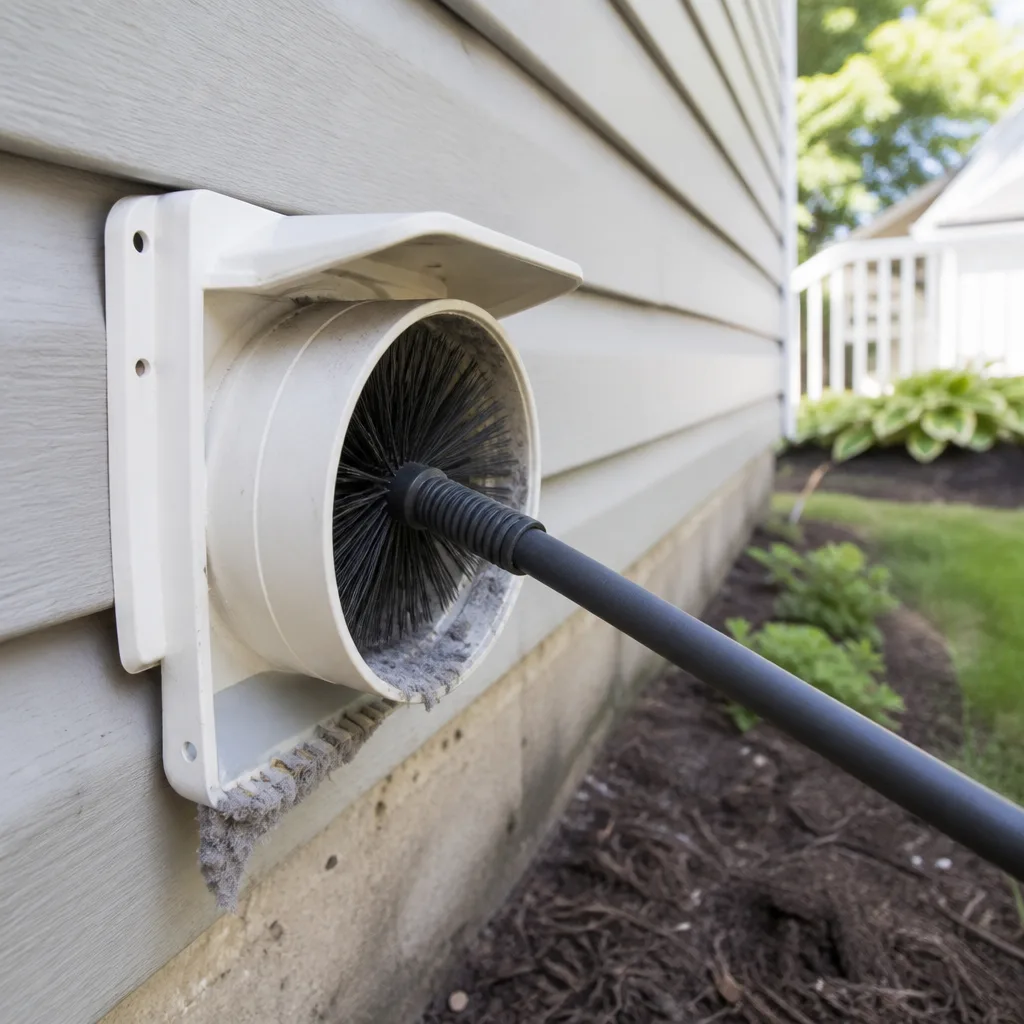
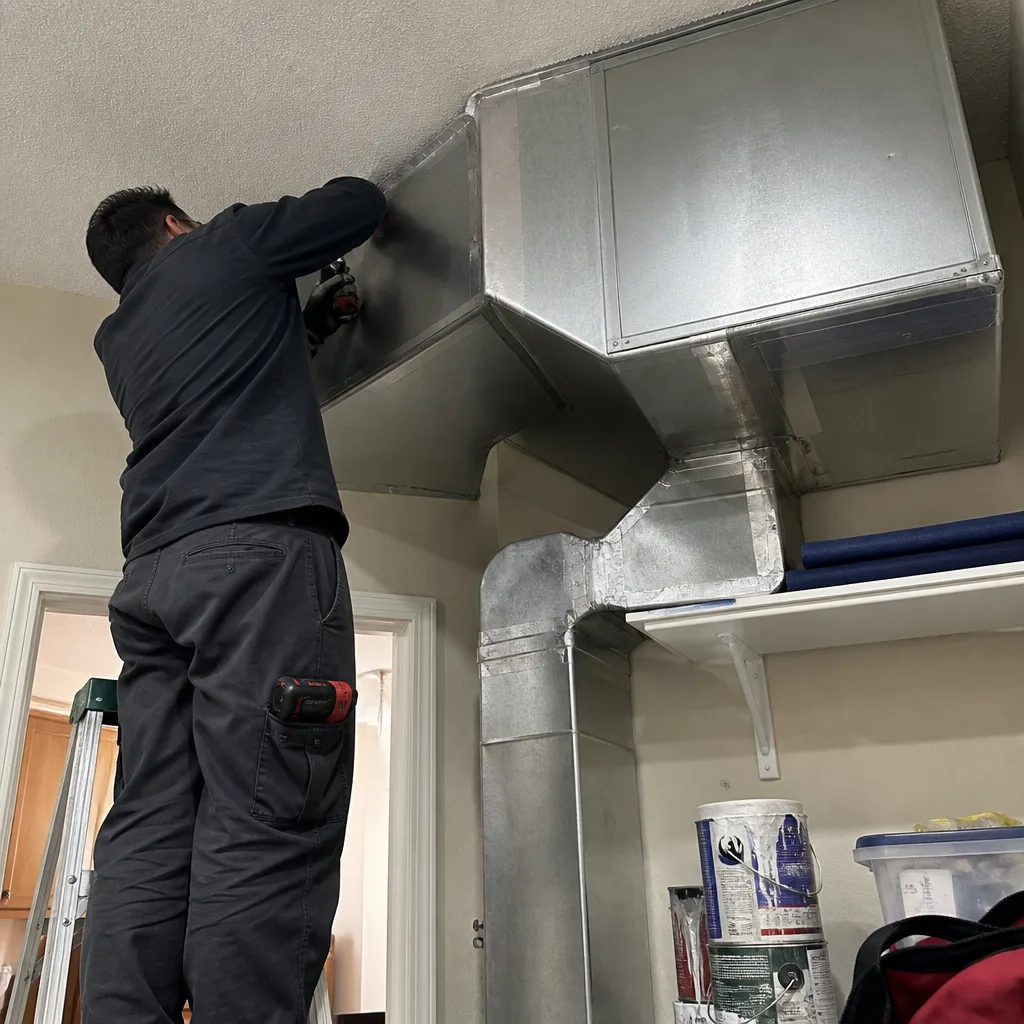
Whole-system duct and dryer vent check with before-and-after photos - you see exactly what came out of your vents
That "$99 whole-house special" is a bait ad - the real number appears once they are in your hallway, or the "clean" is a shop-vac at the register. We photograph the inside of your ducts before and after instead.

 Before
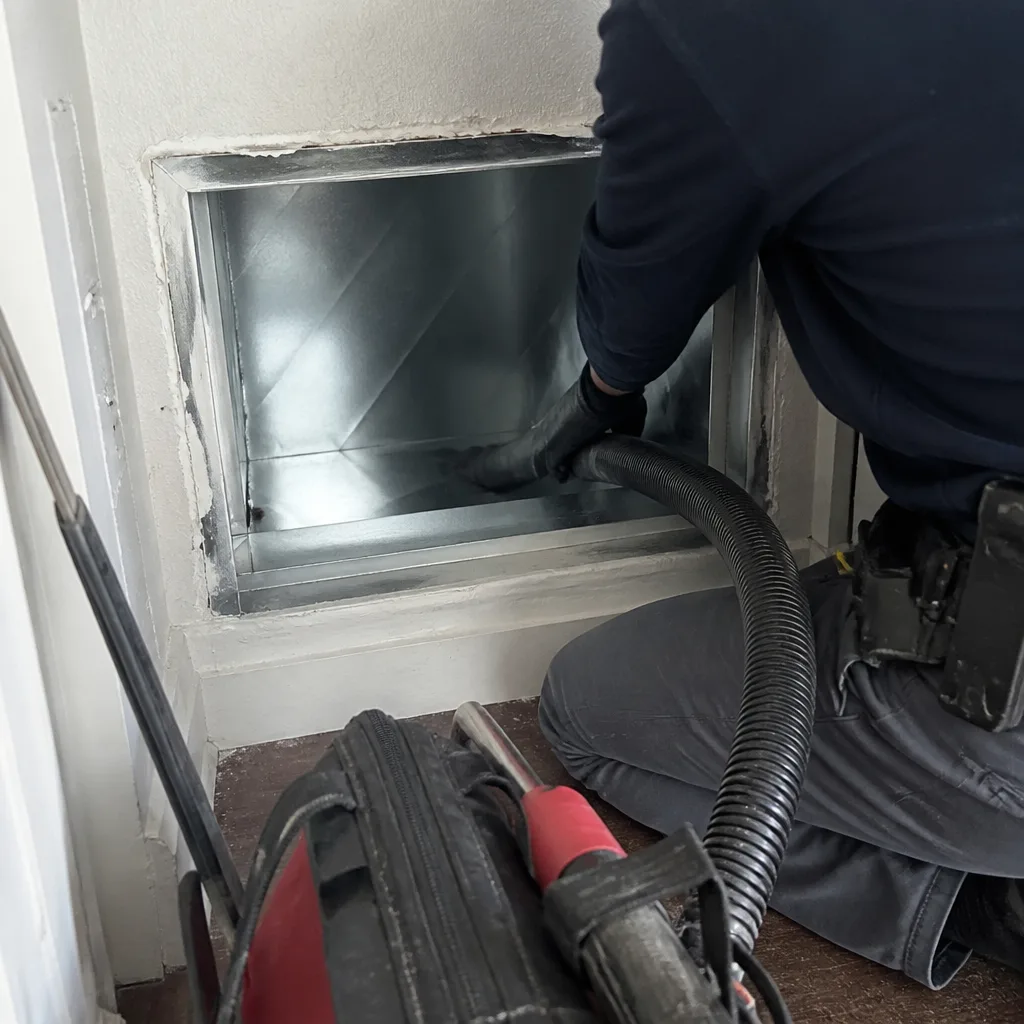 After
After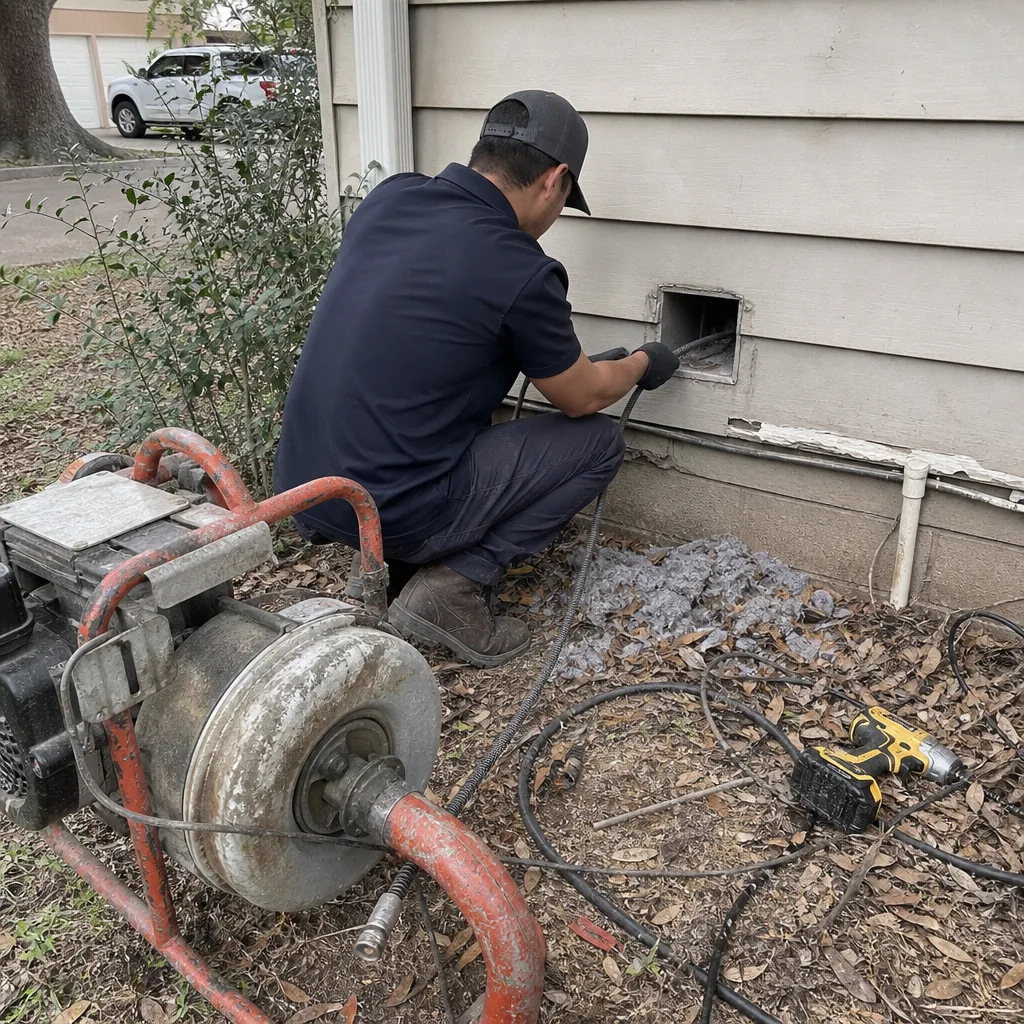 Before
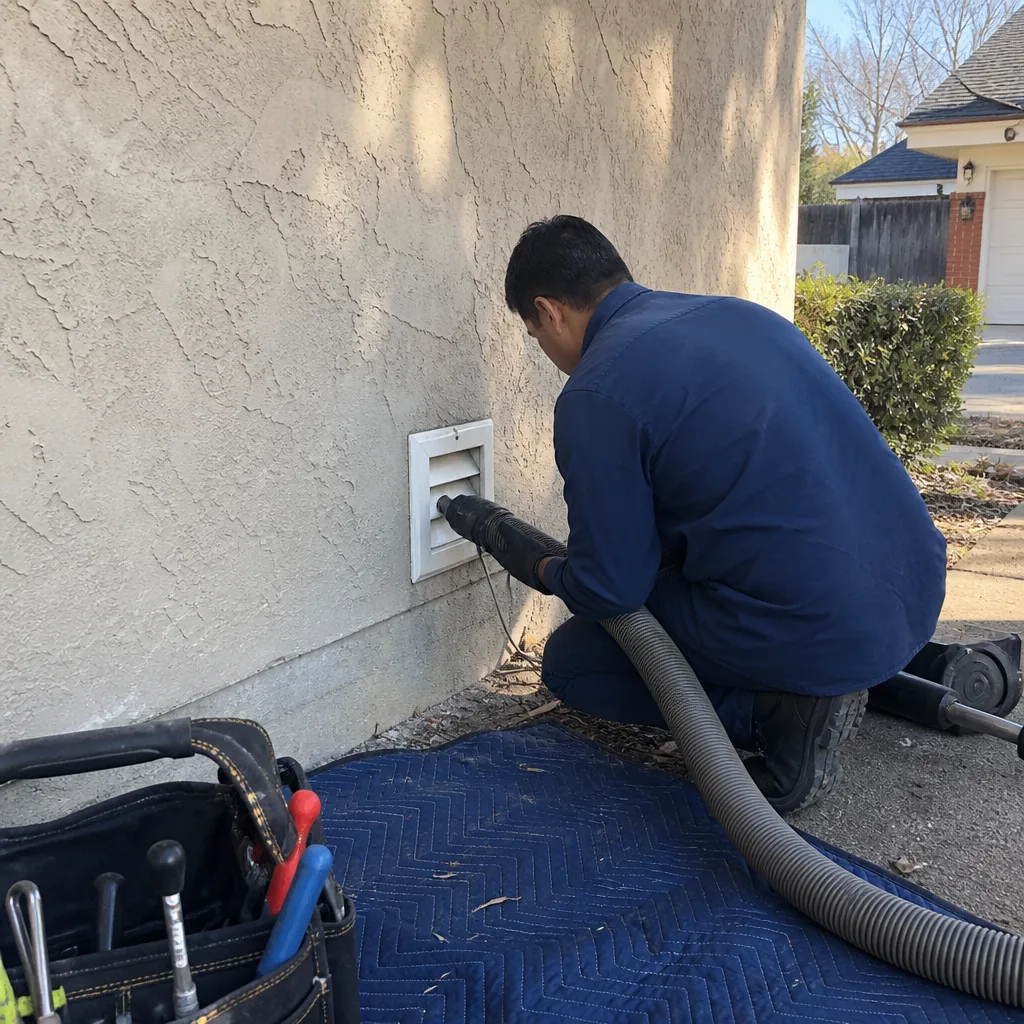 After
After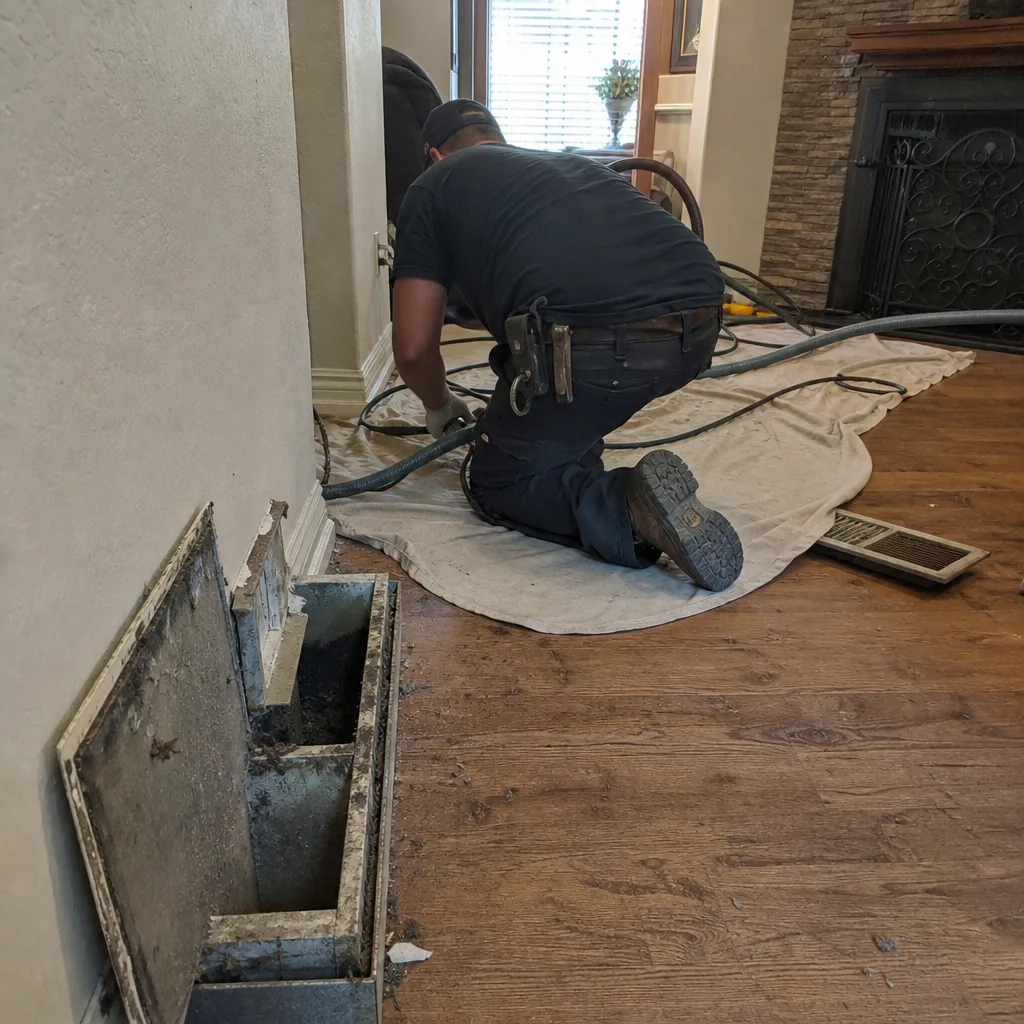 Before
 After
AfterAir Duct Cleaning Maintenance Checklist for Dallas Homeowners
NADCA recommends cleaning residential ductwork every 3 to 5 years, but that interval is meaningless without a baseline record of what was actually inside. In Dallas, where spring cedar pollen and fall mold spore counts regularly double the national average, we’ve inspected homes that needed cleaning at 18 months and others that showed minimal debris at 6 years. The difference was never the calendar. It was the condition history: a log of what the camera found, where it found it, and how it changed. This guide shows you how to build that record yourself and when a professional duct camera on a flexible rod becomes necessary.
Quick Answer
A proper air duct cleaning maintenance checklist for Dallas homeowners combines seasonal filter tracking, five annual mechanical inspections, and a photographed condition log of register boots and accessible plenum areas. Without that baseline, the 3-5 year cleaning recommendation is just a guess. With it, you can match cleaning intervals to actual debris accumulation and catch duct damage before it affects HVAC efficiency.
Table of Contents
- How to Create a Condition Baseline for Your Ductwork
- Dallas Filter Replacement Triggers: When 90 Days Becomes 45
- The Five Mechanical Checkpoints That Matter More Than Cleaning Frequency
- What You Can Inspect With a Flashlight vs. What Needs a Duct Camera
- How to Log HVAC Service Records for Resale
- A Seasonal Maintenance Checklist for Dallas Homes
- What Professional Duct Inspection and Cleaning Costs in Dallas
BeforeAfterHow to Create a Condition Baseline for Your Ductwork
Every duct system is different. Two homes built by the same developer on the same street can accumulate debris at entirely different rates based on filter discipline, occupancy, cooking habits, and whether the garage door faces west into afternoon sun that superheats the attached duct chase. The only way to know your system’s pattern is to document it.
Start with the accessible points. Remove the register cover from one supply and one return in each zone of your house. Photograph the boot, the first 12 inches of visible duct, and the register face itself. Note three things:
- Debris type. Dust mat (dry, fibrous, gray-tan), biological growth (dark spotting with irregular edges, often near the boot seam), or construction debris (chunks of drywall, wood splinters, insulation fragments). Each indicates a different source and different urgency.
- Debris depth. Use a wooden skewer or zip tie as a depth gauge. “Light coating” means you can still see the duct surface. “Build-up” means the debris has measurable thickness. “Obstruction” means airflow is visibly reduced.
- Moisture indicators. Rust on metal boots, water staining on duct board, or a musty smell that returns within 24 hours of cleaning. Dallas humidity averages 65% from May through October, and any moisture trapped in debris becomes a growth medium.
Store these photos with dates and room locations in a dedicated folder. When you inspect again in 12 months, compare directly. In our experience across Dallas, from Lakewood to Preston Hollow to the newer builds in Bishop Arts, homeowners who maintain this log catch problems 18 to 24 months earlier than those relying on calendar reminders alone.
The baseline also protects you at resale. A documented photo record of clean ductwork, dated and consistent, answers buyer questions that otherwise trigger price negotiations or inspection contingencies.
Dallas Filter Replacement Triggers: When 90 Days Becomes 45
Filter packaging commonly states “up to 90 days.” In Dallas, that figure assumes moderate pollen, moderate dust, and moderate occupancy. None of those assumptions hold for significant portions of the year.
Dallas sits in the Texas Blackland Prairie, with spring cedar (mountain cedar) pollen season running January through March and peaking in late February. Pollen counts routinely exceed 10,000 grains per cubic meter. Fall brings alternaria and cladosporium mold spores from decaying vegetation, compounded by humidity spikes before cold fronts. These aren’t minor variations. They can saturate a standard pleated filter in half its rated life.
We recommend Dallas homeowners ignore the 90-day default and use these triggers instead:
- Visual inspection every 30 days during peak seasons. Hold the filter to a light source. If you cannot see light through the media, airflow is already restricted. This typically occurs at 45 to 60 days in Dallas spring and fall.
- Pressure differential if you have a manometer or smart thermostat with static pressure monitoring. A rise of 0.1 inches water column above baseline means the filter is loading. Most residential systems are designed for 0.5 to 0.9 total external static pressure; a clogged filter pushes that toward the motor’s limit.
- HVAC runtime increase. If your system runs noticeably longer to maintain temperature, restricted airflow from a loaded filter is a common cause. Dallas summer design temperatures of 100°F mean your system is already working near capacity. Adding filter restriction forces longer cycles and higher energy use.
- Occupancy events. Hosting, renovation, or new pets can compress filter life to 30 days regardless of season.
Filter selection matters in this climate. Cheap fiberglass filters (MERV 1-4) protect the equipment but do little for debris control in the ductwork. High-MERV pleated filters (MERV 11-13) capture more particulate but load faster and can restrict airflow in systems not designed for the pressure drop. In Dallas, where systems run hard for long seasons, we typically recommend MERV 8-10 as a balance point, with rigorous replacement discipline.
Never run a system without a filter to “get more airflow.” Unfiltered return air deposits debris directly on the evaporator coil and in the blower compartment, creating a cleaning problem far more expensive than regular filter changes.
The Five Mechanical Checkpoints That Matter More Than Cleaning Frequency
Clean ducts in a damaged system are a temporary fix. These five mechanical elements determine whether your ductwork holds its condition between cleanings or re-contaminates within months.
1. Duct Board Integrity
Duct board, common in Dallas homes built 1985-2005, is fiberglass insulation bonded to a foil facing. Over time, the facing delaminates, exposing raw fiberglass to the airstream. Inspect visible sections in attics or crawl spaces for tears, sagging, or areas where the foil has separated from the insulation core. Damaged duct board sheds particles into the system and should be repaired or replaced, not cleaned repeatedly.
2. Mastic Seal Condition
Mastic is the thick, paste-like sealant applied at duct joints to prevent leakage. In Dallas attics, where summer temperatures exceed 140°F, mastic can become brittle and crack. Check visible joints for gaps or crumbling. Leaky supply ducts lose conditioned air into the attic; leaky return ducts pull attic air, dust, and insulation into the system. Either way, the ductwork re-contaminates faster than cleaning can address.
3. Flex Duct Crush Points
Flexible duct, common in retrofit and second-story additions, is easily crushed by storage, maintenance activity, or its own weight if improperly supported. A crushed flex duct creates turbulence that deposits debris at the restriction and reduces airflow to the room. Inspect for flat sections, kinks, or areas where the duct hangs without support every 4 to 5 feet.
4>Drain Pan Status
The evaporator coil drain pan sits below the indoor unit and collects condensation. In Dallas humidity, a clogged drain line or cracked pan overflows, and water follows the duct path. Standing water in duct board or flex duct creates biological growth that no amount of cleaning fully resolves. Check the pan for standing water, rust, or algae staining, and verify the drain line flows freely.
5. Return Air Gaps
Return air pathways should be sealed to the building envelope. Gaps around the return air plenum, especially in platform returns common in slab-on-grade Dallas homes, pull air from wall cavities, attics, or crawl spaces. That air is unfiltered and often carries construction debris, insulation, or pest droppings. Inspect visible return connections with a flashlight; gaps larger than 1/8 inch need sealing.
These five checkpoints should be reviewed annually, ideally in early spring before the cooling season begins. Document what you find with the same photo log you use for debris baseline tracking.
What You Can Inspect With a Flashlight vs. What Needs a Duct Camera
Homeowners can legitimately assess more than most assume, but the limits are real and important to respect. Misjudging the boundary leads to either false confidence or unnecessary service calls.
Flashlight and Phone Camera: Appropriate Scope
- Register boots and first 12 inches of visible duct. Remove the register, photograph, and inspect as described in the baseline section. This catches surface debris and moisture indicators.
- Visible attic or crawl space duct runs. Follow the duct path from the air handler to the first few branches. Look for damage, disconnections, and insulation condition.
- Air handler cabinet. With power off, open the blower compartment. Inspect the blower wheel for dust loading, the evaporator coil for visible fouling, and the drain pan for water or staining. In Dallas, we commonly find blower wheels with 1/8 to 1/4 inch of dust mat after two years of average filter discipline.
- Filter rack. Check for bypass gaps where unfiltered air can enter around the filter edges. A filter that doesn’t fit snugly is barely better than no filter.
Duct Camera on Flexible Rod: Required Scope
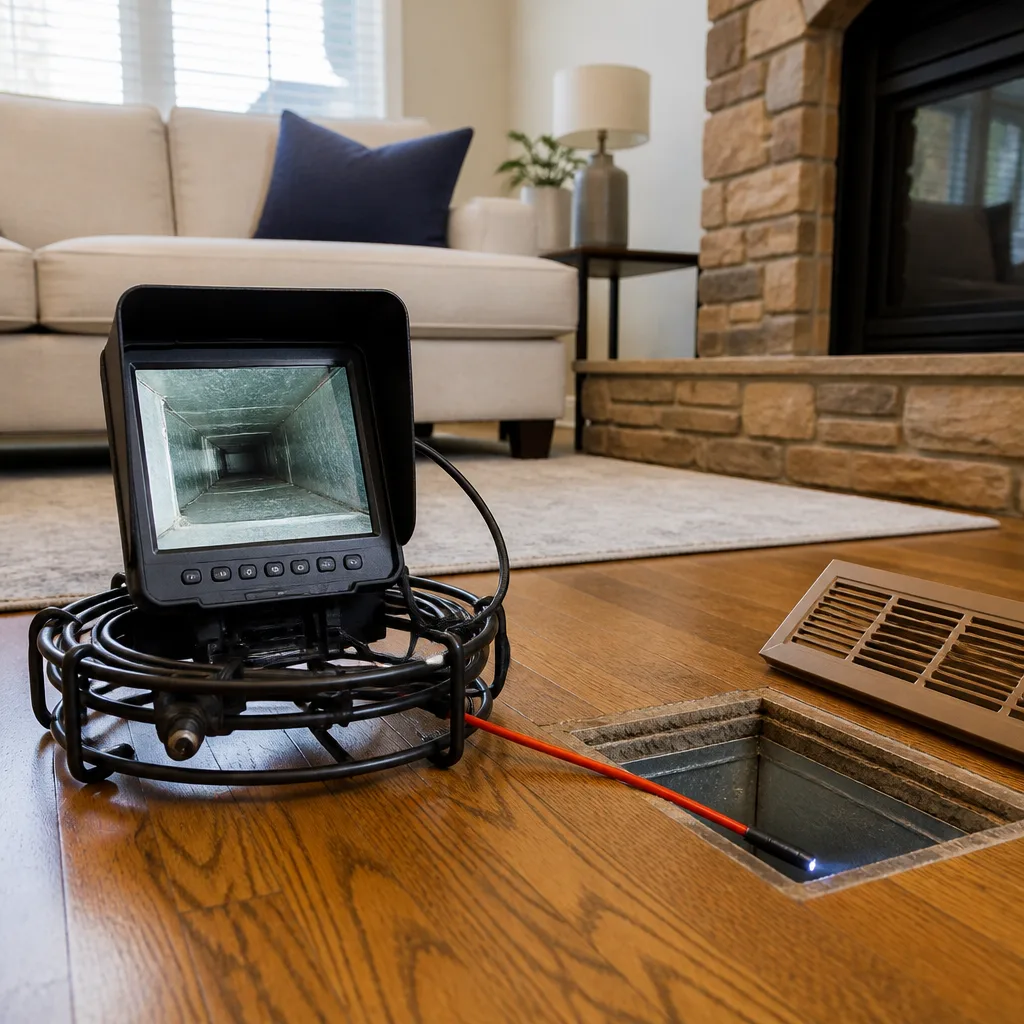
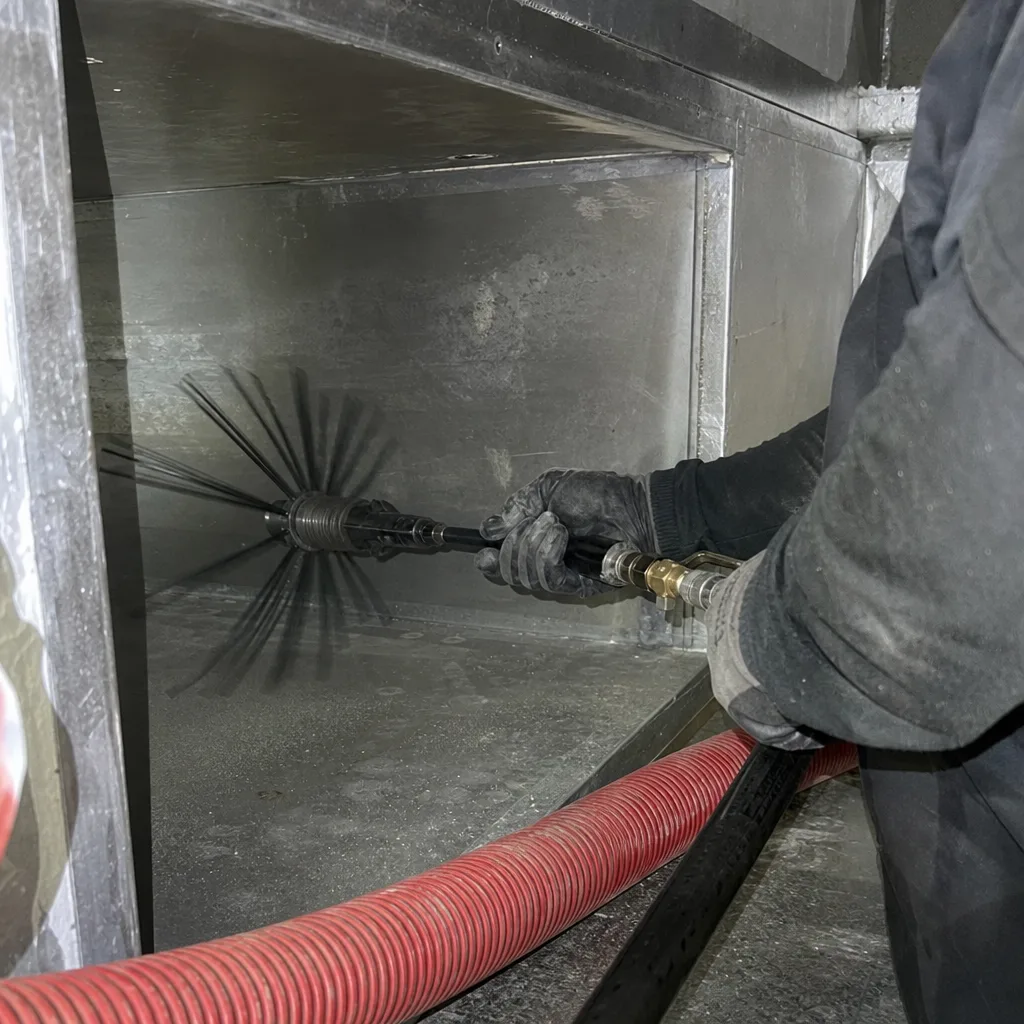
- Interior of duct runs beyond the boot. Debris often deposits at elbows, transitions, and low points that cannot be seen from either end. A duct camera, typically 1/2 to 3/4 inch diameter on a 25 to 50 foot flexible rod, navigates these spaces and provides video documentation.
- Main trunk lines. The largest ducts, often 12 to 20 inches rectangular or oval, accumulate debris at the bottom that is invisible from branch connections.
- Evidence of past water intrusion. Staining on the interior of metal duct or saturation of duct board requires camera inspection to determine extent. Surface inspection at the boot cannot distinguish localized moisture from systemic problems.
- Post-cleaning verification. Without camera documentation, “clean” is an unverified claim. This is why CleanRun Air Duct Cleaning Dallas home includes a Documented Photo Record on every visit: the camera shows the condition before and after, inside every run.
The dividing line is simple. If you can see it directly or photograph it without feeding equipment into the duct, inspect it yourself. If the area is beyond direct line of sight, professional camera inspection is the only method that produces verifiable results.
How to Log HVAC Service Records for Resale
A well-maintained home in Dallas, particularly in appreciating neighborhoods like Oak Cliff, East Dallas, or the M Streets, will likely sell within 7 to 10 years of purchase. Duct condition documentation becomes a transferable asset.
Create a single file, digital or physical, containing:
- Baseline photos. The initial register boot and accessible duct images, dated and labeled by room.
- Annual inspection notes. Dates, findings, and any corrective actions for the five mechanical checkpoints.
- Filter change log. Dates and filter specifications. This demonstrates maintenance discipline to buyers and their inspectors.
- Professional service records. Invoices from any duct cleaning, repair, or HVAC service, with scope of work described. Include the written price quote and final invoice as matched documents.
- Photo record from professional cleanings. If you use a service that provides before-and-after documentation, include these images. They are more persuasive than any verbal assurance.
At resale, this file answers questions before they become objections. A buyer’s inspector who sees documented annual attention to ductwork is less likely to flag the system for further evaluation. In competitive Dallas markets where inspection contingencies can derail contracts, that documentation has real value.
CleanRun provides the complete photo record as a standard deliverable on every job, formatted for storage and transfer. Haven Standard Clause 1 requires the written price before work starts; the documented record is how we prove the work matched the agreement.
A Seasonal Maintenance Checklist for Dallas Homes
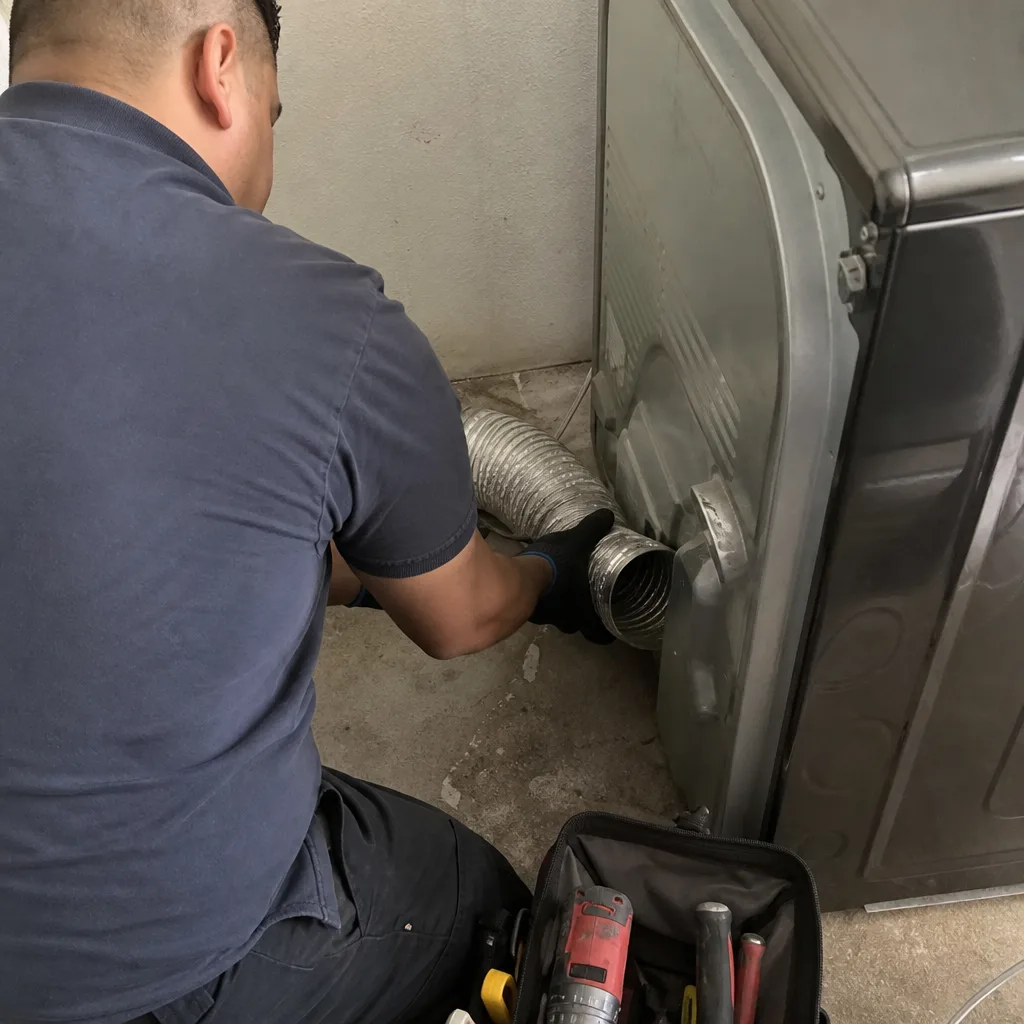
Dallas climate patterns create distinct demands on duct systems. Use this seasonal framework to time inspections and anticipate problems.
January-March: Cedar Season Preparation
- Inspect and replace filters before peak pollen
- Check register boots for moisture from winter humidity swings
- Verify humidifier settings if equipped; over-humidification promotes duct condensation
- Photograph baseline condition if not already done
April-May: Pre-Cooling Mechanical Review
- Inspect all five mechanical checkpoints, with emphasis on mastic seals and drain pans
- Clean or replace filters after pollen season
- Verify condensate drain line flows freely; algae growth from prior season commonly clogs lines
- Schedule professional inspection if any mechanical checkpoint shows degradation
June-August: Peak Cooling Vigilance
- Inspect filters every 30 days; system runtime is highest and loading fastest
- Monitor for duct condensation on attic runs; sweating ducts indicate insulation failure or excessive humidity
- Check ceiling registers for water staining; cold air hitting hot humid attic air can create condensation at boot connections
September-October: Post-Summer Assessment
- Full filter replacement after summer load
- Inspect blower wheel and evaporator coil if accessible; summer runtime deposits significant debris
- Photograph and compare to spring baseline
- Schedule Air Duct Cleaning in Dallas if comparison shows meaningful accumulation
November-December: Pre-Heating Review
- Verify heat exchanger and burner operation if gas furnace; not duct-specific but system-critical
- Final filter change before reduced runtime season
- Update service log and file documentation
What Professional Duct Inspection and Cleaning Costs in Dallas
Understanding market pricing helps you evaluate quotes and avoid the bait-and-switch pattern common in this industry. CleanRun publishes its pricing structure under Haven Standard Clause 1: one flat price per system, agreed in writing before work starts.
Current Dallas market ranges for legitimate, documented service:
| Service | Typical Range | What Affects Price |
|---|---|---|
| Whole-system air duct cleaning (single HVAC system) | $450-$850 | Number of supply and return runs, accessibility, contamination level, whether duct board repair is needed |
| Dryer vent cleaning | $120-$250 | Length of run, number of turns, roof termination vs. wall termination |
| HVAC cleaning (coil, blower, cabinet) | $300-$550 | System size, coil accessibility, degree of fouling |
| Duct inspection with camera documentation | $150-$300 | Number of runs inspected, video delivery format |
| Duct repair and sealing | $200-$600+ | Extent of damage, material type, accessibility |
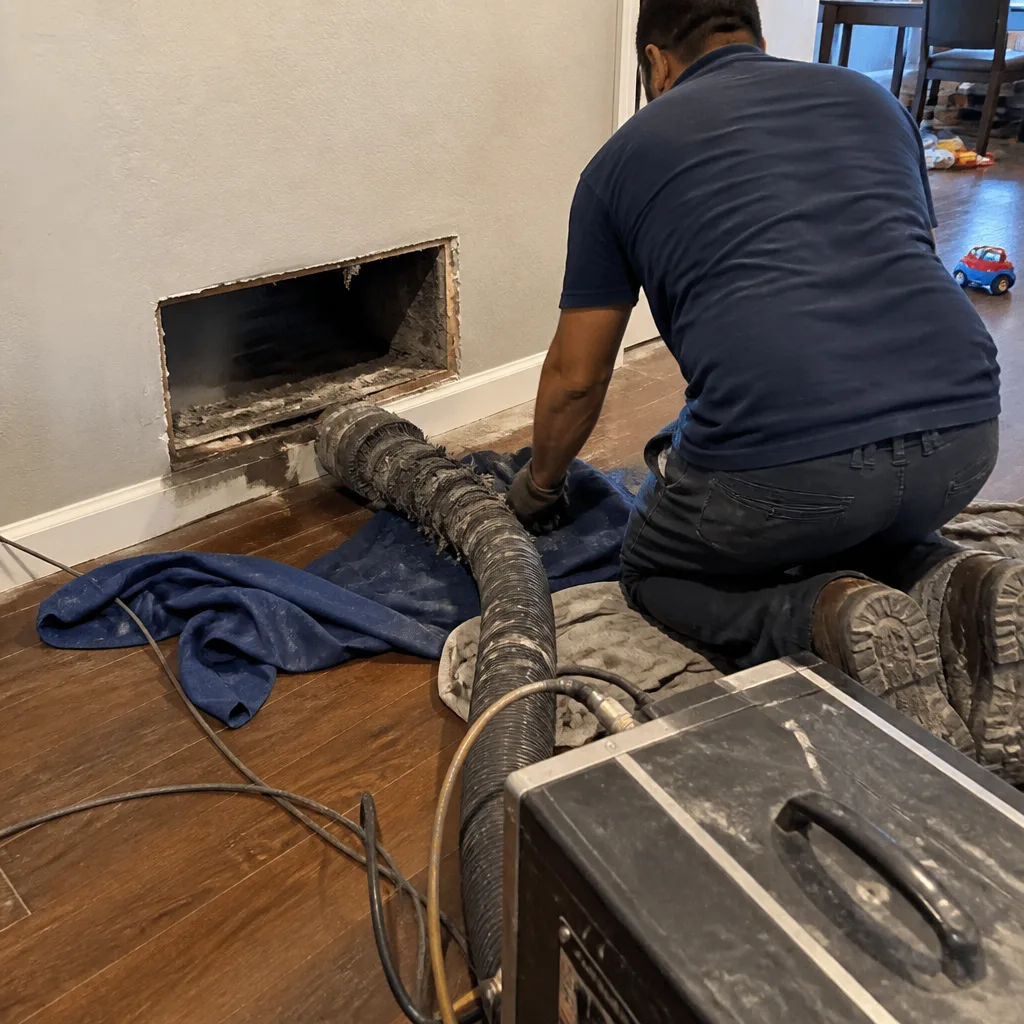
Prices below these ranges should prompt scrutiny. The $79 coupon model typically covers a brief vacuuming of accessible registers, not full-system cleaning with negative-pressure extraction and run-by-run documentation. The van arrives, the scope expands, and the final invoice bears little resemblance to the advertised price.
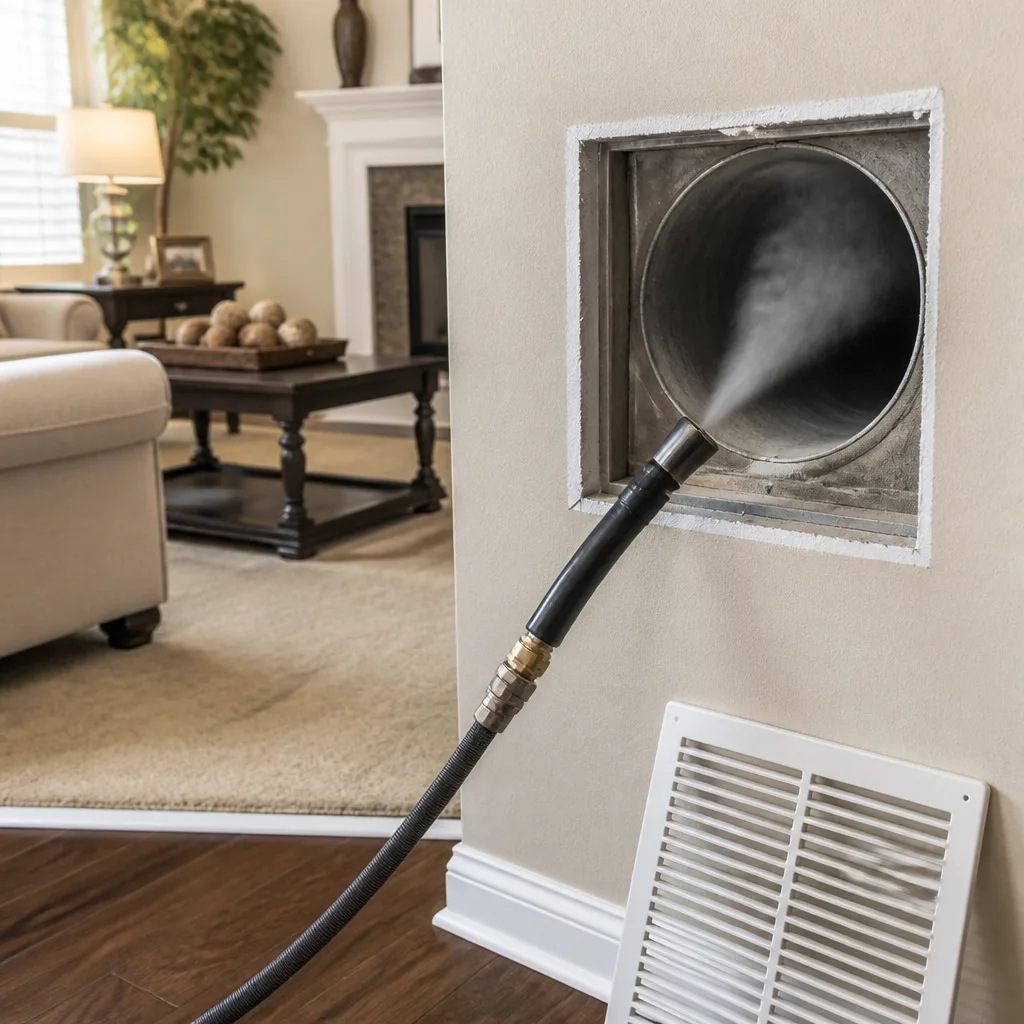
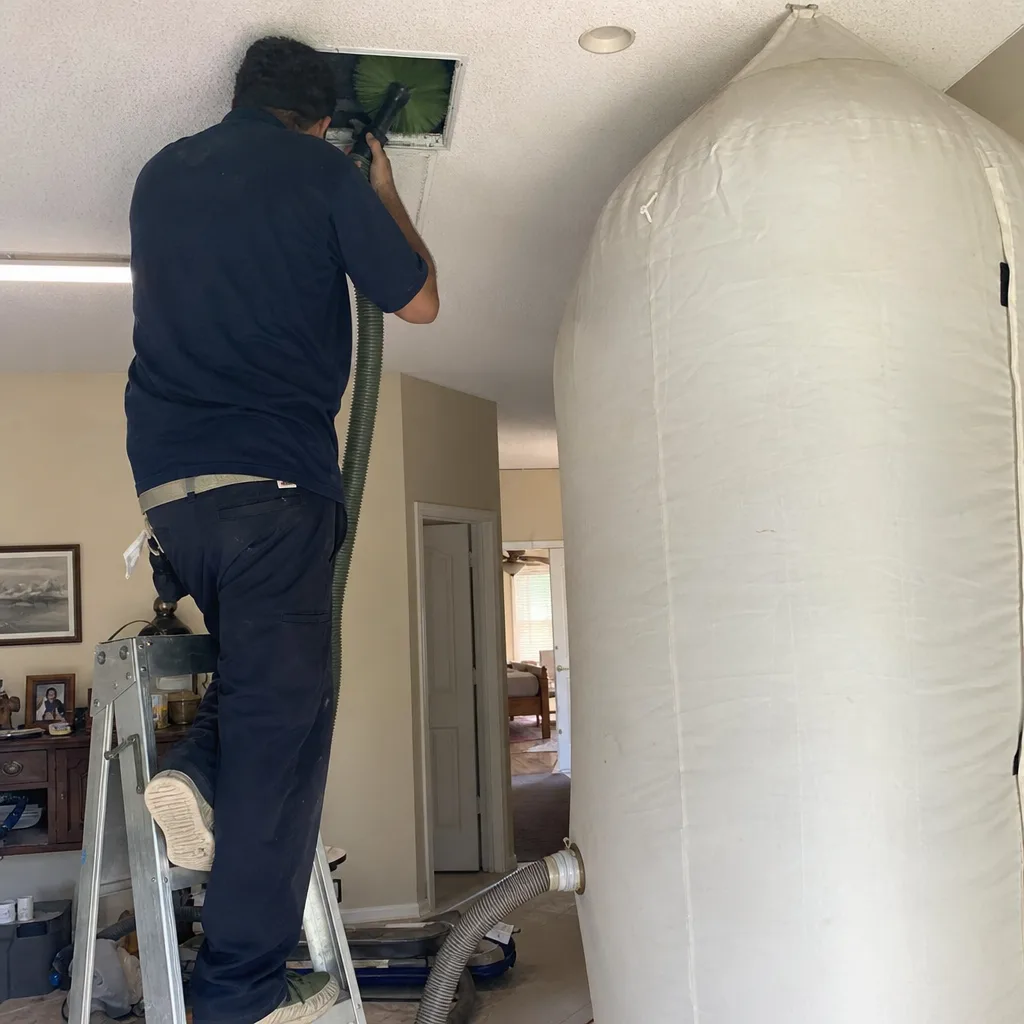
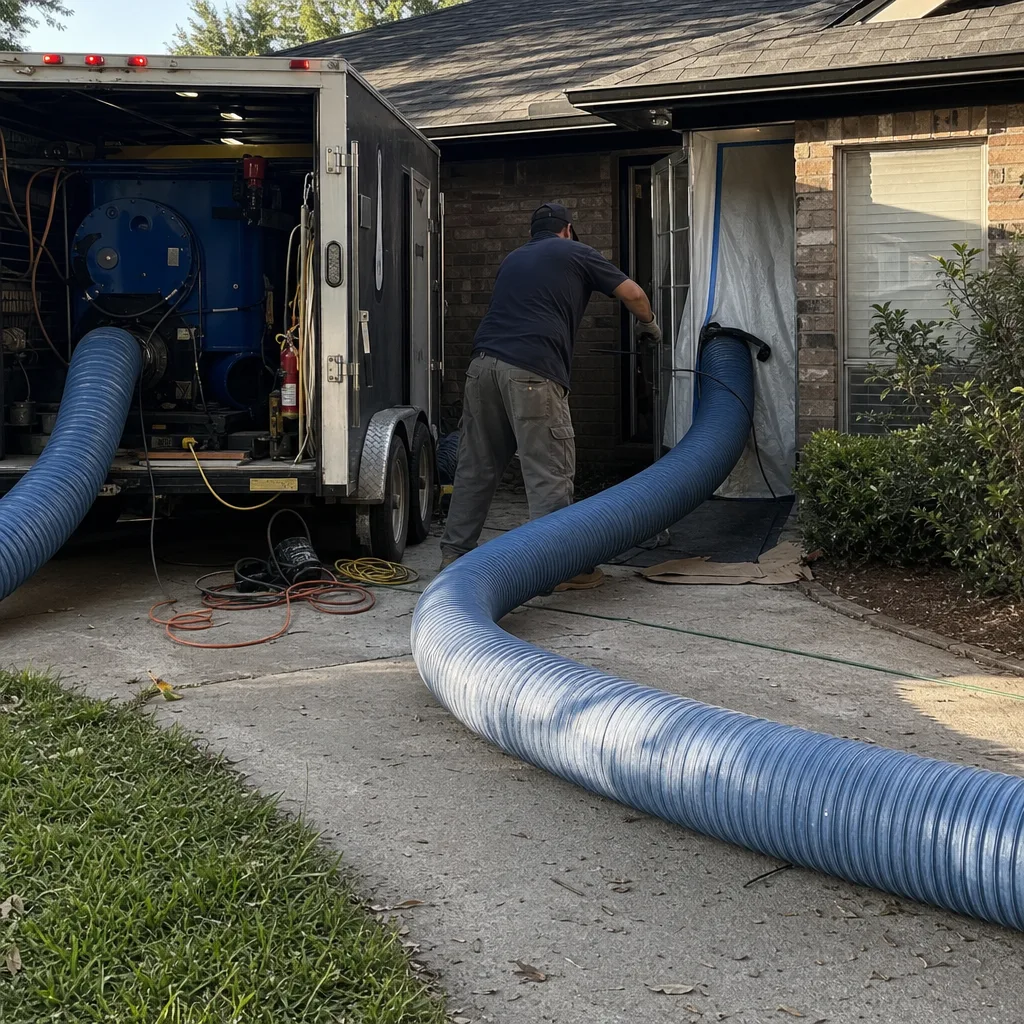
CleanRun’s approach: written price before any work starts, every time. The price covers the full system, not per-vent arithmetic that inflates at the door. Equipment includes Rotobrush, Nikro, and Abatement Technologies systems, with HVAC Cleaning in Dallas using Honeywell and Aprilaire components where specified. Every job concludes with a Documented Photo Record of every duct run, delivered as part of the standard job record.
The 365-Day Done Right Promise applies to all work: if it’s not right, we make it right. Not a policy subject to manager approval. A written guarantee, backed in writing on every job.
Common Mistakes to Avoid
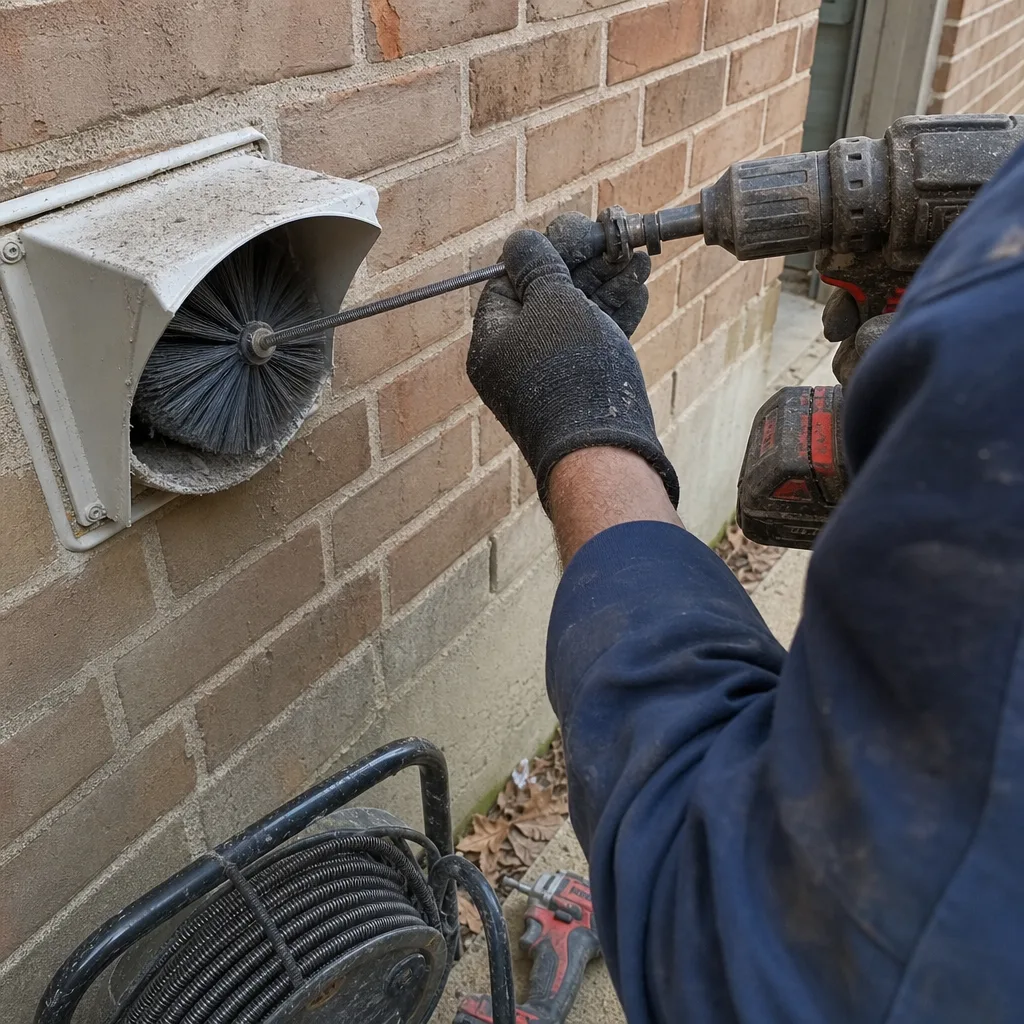
- Treating filter replacement as “when I remember.” In Dallas pollen loads, a forgotten filter becomes a debris source in 60 to 90 days, not a passive screen. Set calendar reminders for inspection, not just replacement.
- Assuming new construction means clean ducts. We’ve photographed construction debris, including drywall chunks and wood shavings, in Dallas homes less than two years old. Builders rarely clean ductwork before occupancy.
- Using the cheapest available filter. Fiberglass filters protect the equipment marginally but allow fine debris into the ductwork. The savings on filters is lost in accelerated cleaning needs and coil fouling.
- Ignoring return air pathways. Homeowners obsess over supply registers but return ducts, often larger and less filtered, pull debris from wall cavities and attic spaces when gaps exist.
- Accepting “clean” without documentation. Verbal assurance of thorough cleaning is worthless. Demand photo or video evidence of interior duct condition, or the service is unverified.
- Scheduling cleaning without mechanical inspection. Cleaning damaged duct board or leaky mastic seals wastes money; the system re-contaminates and the underlying problem worsens.
- Storing records inconsistently. Scattered invoices and no photo history means no baseline for comparison. Create one file, maintain it, and transfer it at sale.
When to Call a Professional
Call for professional inspection when: debris build-up exceeds light coating at multiple registers; you observe moisture, rust, or biological growth; any of the five mechanical checkpoints show degradation; or your baseline comparison reveals accelerating accumulation. Also call if you lack attic access or are uncomfortable inspecting powered equipment. For warning signs specific to Dallas homes, see our Air Duct Cleaning Warning Signs: A Dallas Homeowner’s Reference Guide.
CleanRun Air Duct Cleaning Dallas offers free estimates in Dallas. A technician will inspect your system, provide a written price before any work starts, and explain what the camera would reveal. Call (469) 405-6133 to schedule. All technicians are background-checked and uniformed under Haven Standard Clause 3: Verified Crews, identified by name before arrival.
Frequently Asked Questions
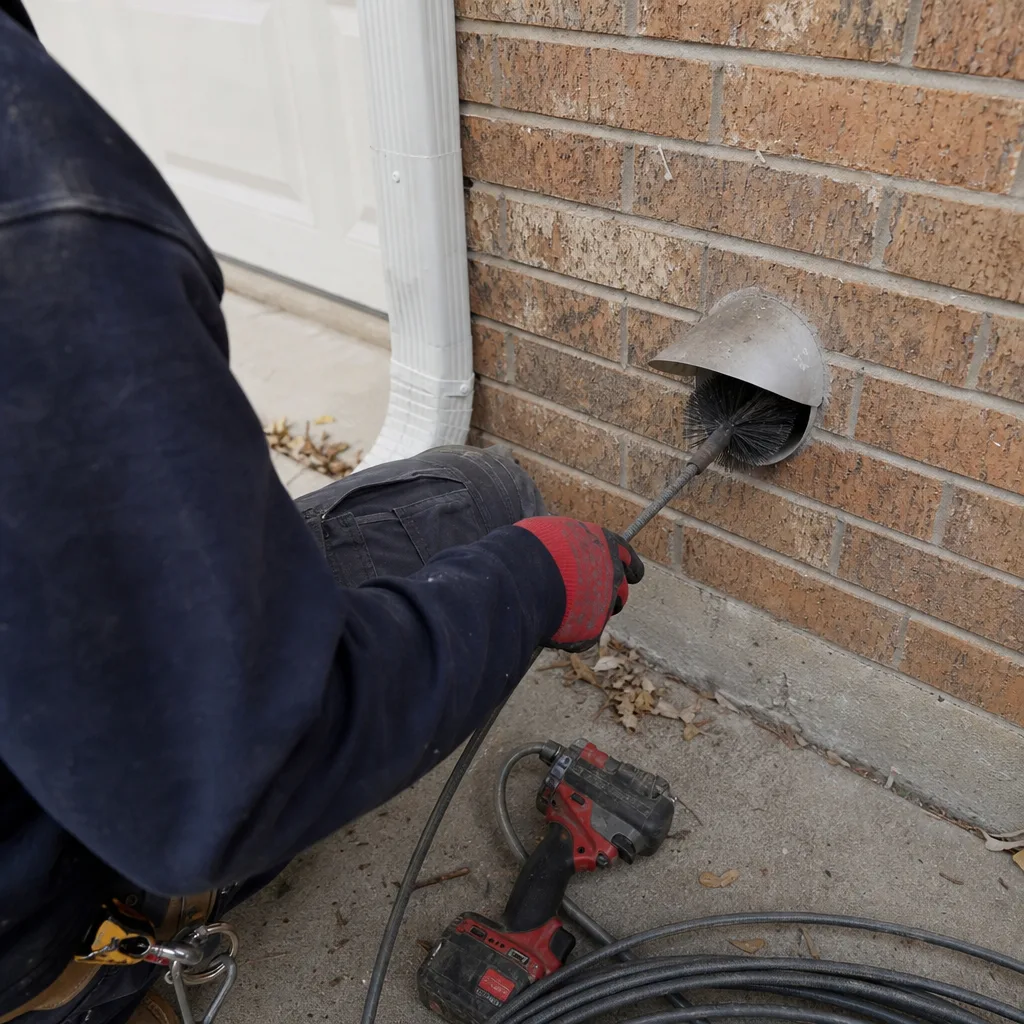
Whole-system air duct cleaning for a single HVAC system in Dallas typically ranges from $450 to $850, depending on the number of duct runs, accessibility, and contamination level. Prices significantly below this range usually indicate limited scope or undisclosed per-vent add-ons. Call (469) 405-6133 for a written estimate with no obligation.
The $79 to $149 coupon model advertises a price that covers register vacuuming only, not full-system cleaning with negative-pressure extraction and interior duct camera documentation. Once on site, the scope expands and the final invoice reflects the actual work. CleanRun publishes one flat price per system, agreed in writing before work starts, with no per-vent pricing.
Demand a documented photo record of interior duct conditions before and after cleaning. Without it, “clean” is unverified. CleanRun includes this documentation as a standard deliverable on every job; every duct run is photographed, and images are provided to the customer as part of the job record.
With proper filter discipline and no mechanical problems, most Dallas homes need cleaning every 3 to 5 years. However, spring cedar pollen, fall mold spores, new construction residue, or occupancy changes can compress this to 18 to 24 months. The only accurate method is annual baseline comparison using photographed register conditions.
Homeowners can maintain filters, inspect accessible boots, and monitor mechanical checkpoints. Interior duct cleaning requires negative-pressure extraction equipment, rotary brushes, and camera verification that are not available for consumer purchase. Attempting to clean ducts with household vacuums can damage flex duct or dislodge debris without removing it.
Moderately, and only when combined with intact ductwork. Cleaning a blower wheel and evaporator coil typically improves airflow more than duct cleaning alone. The efficiency gain from duct cleaning comes primarily from removing restrictions at elbows and transitions, and from identifying mechanical problems during the inspection process. In Dallas, where systems run 2,500+ cooling hours annually, even modest efficiency improvements compound.
The Bottom Line
A maintenance checklist for Dallas ducts is a condition log, not a calendar. For more guides & resources on home maintenance, explore our blog. Photograph your register boots annually. Track filter life against actual pollen loads, not package claims. Inspect five mechanical checkpoints each spring. Know what you can assess yourself and when a professional duct camera is required. Store everything in a single file that transfers at resale. This discipline transforms the generic “every 3-5 years” recommendation into a precise, evidence-based maintenance plan matched to your specific home and Dallas’s demanding climate.
Dryer Vent Cleaning in Dallas follows similar documentation principles and can be scheduled alongside duct service for coordinated maintenance.
Written by Tomas Reyes, Owner at CleanRun Air Duct Cleaning Dallas, serving Dallas since 2013.