
Last updated September 23, 2026
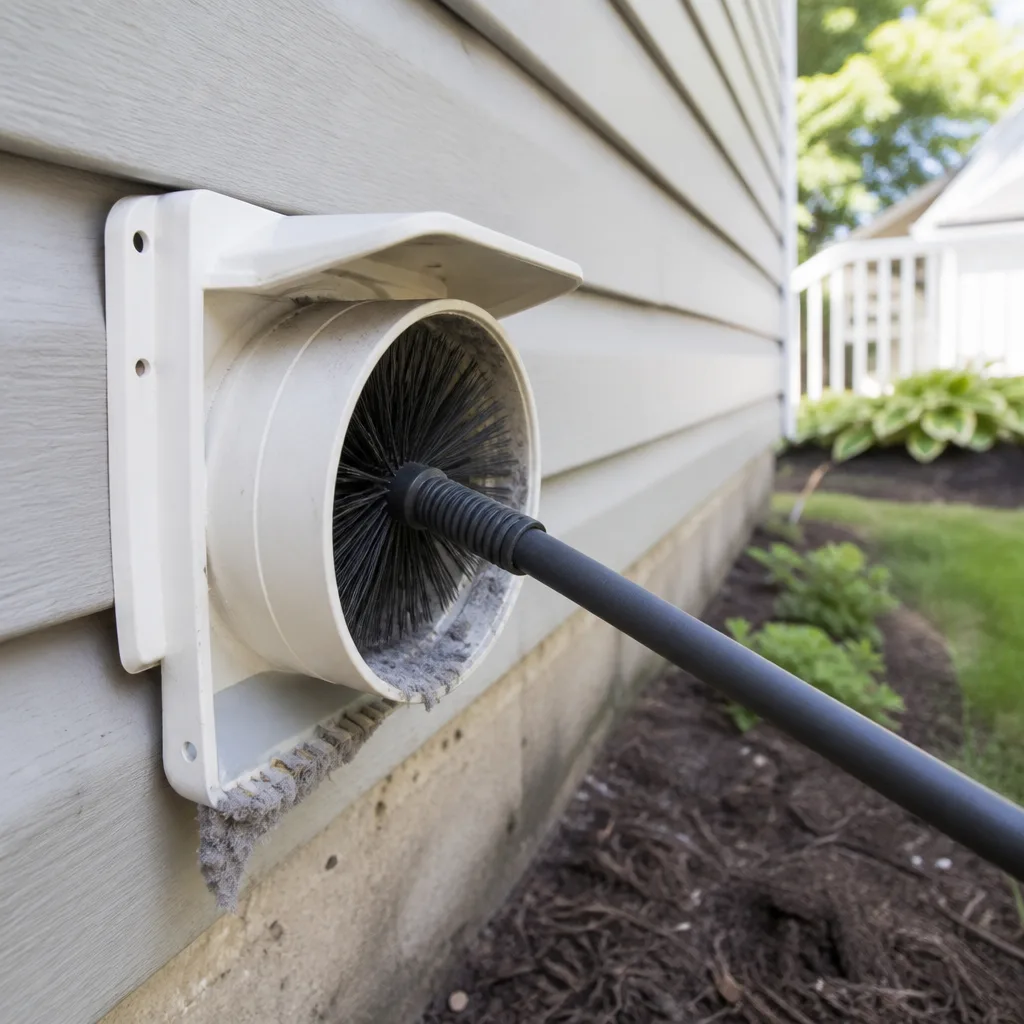
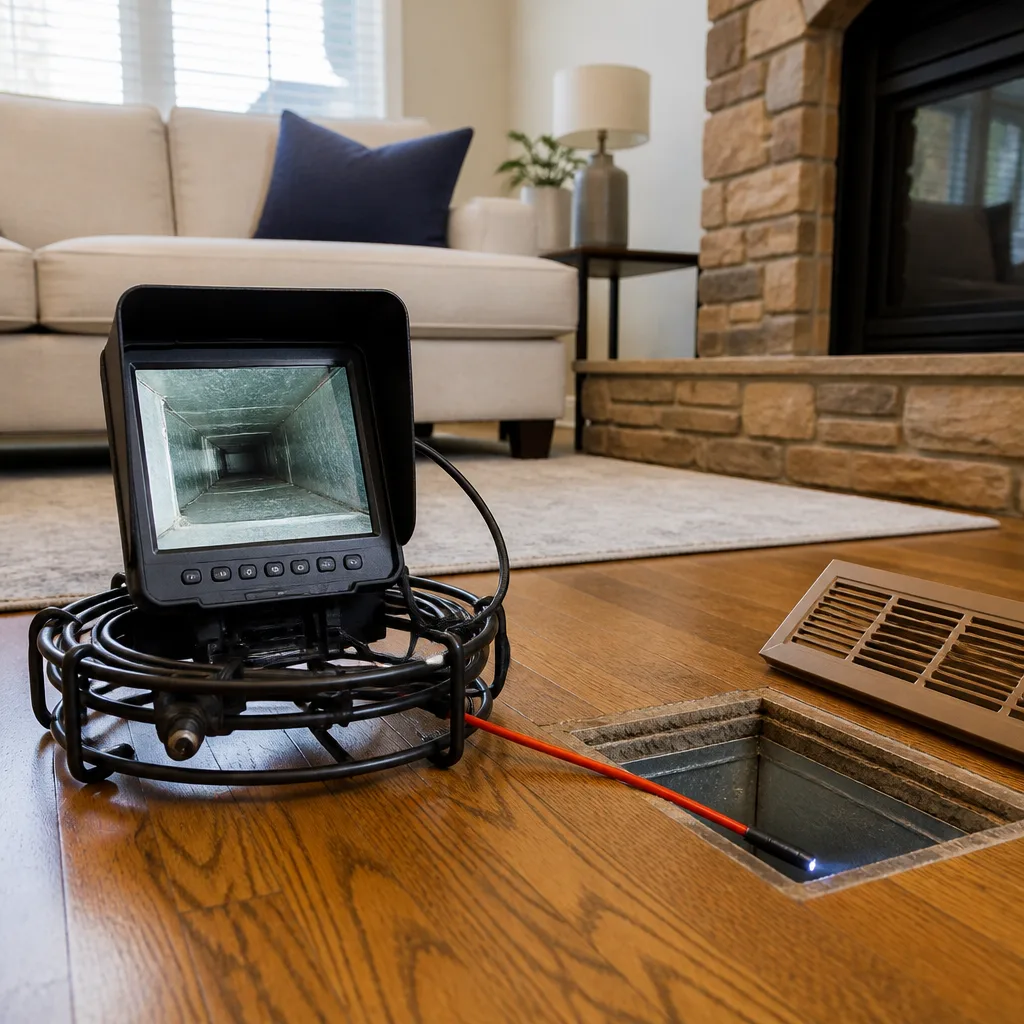
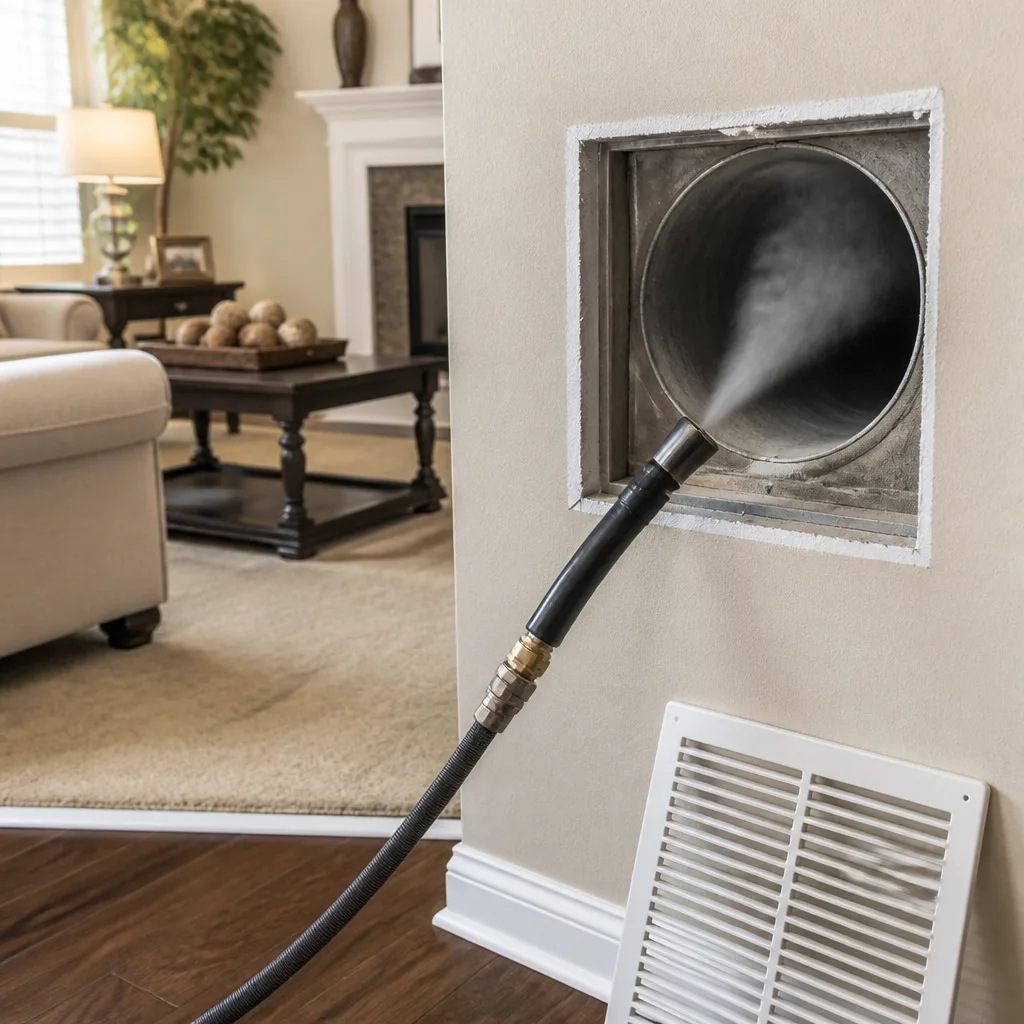
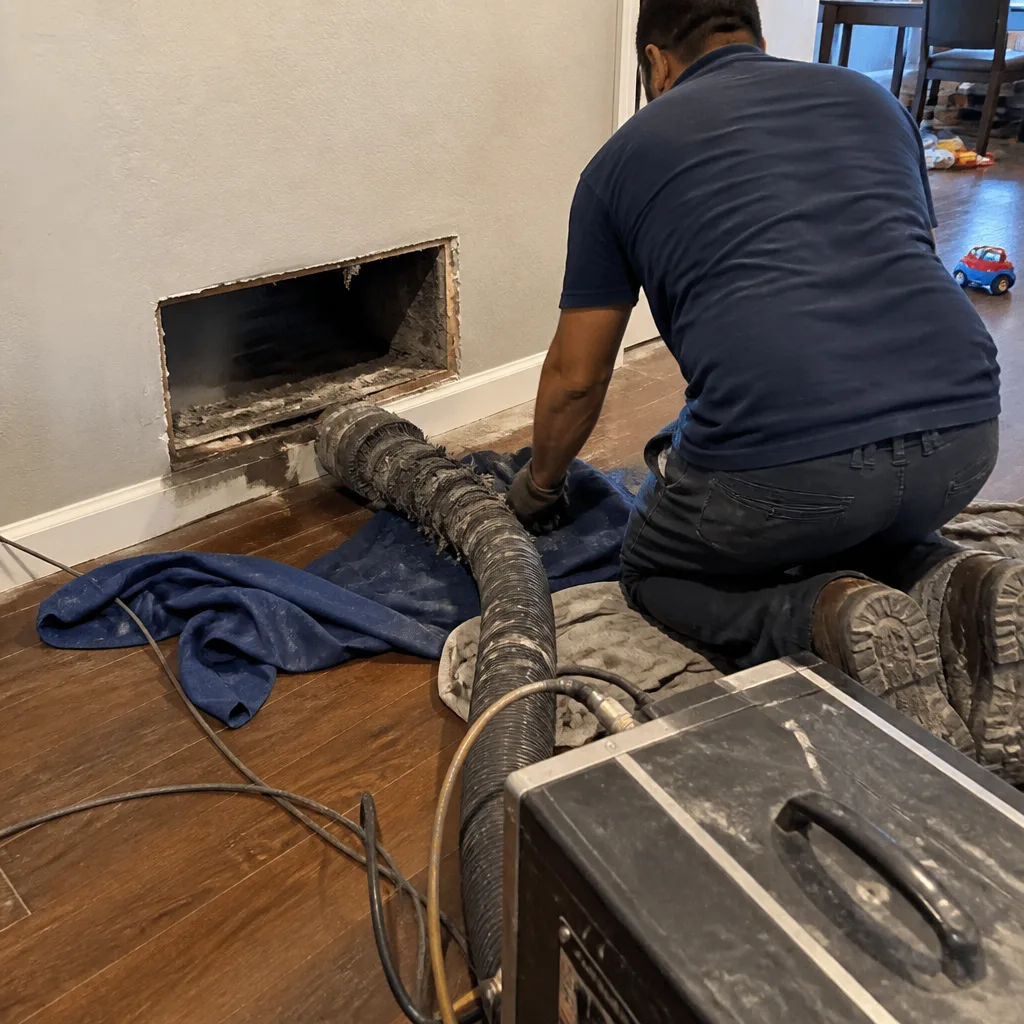
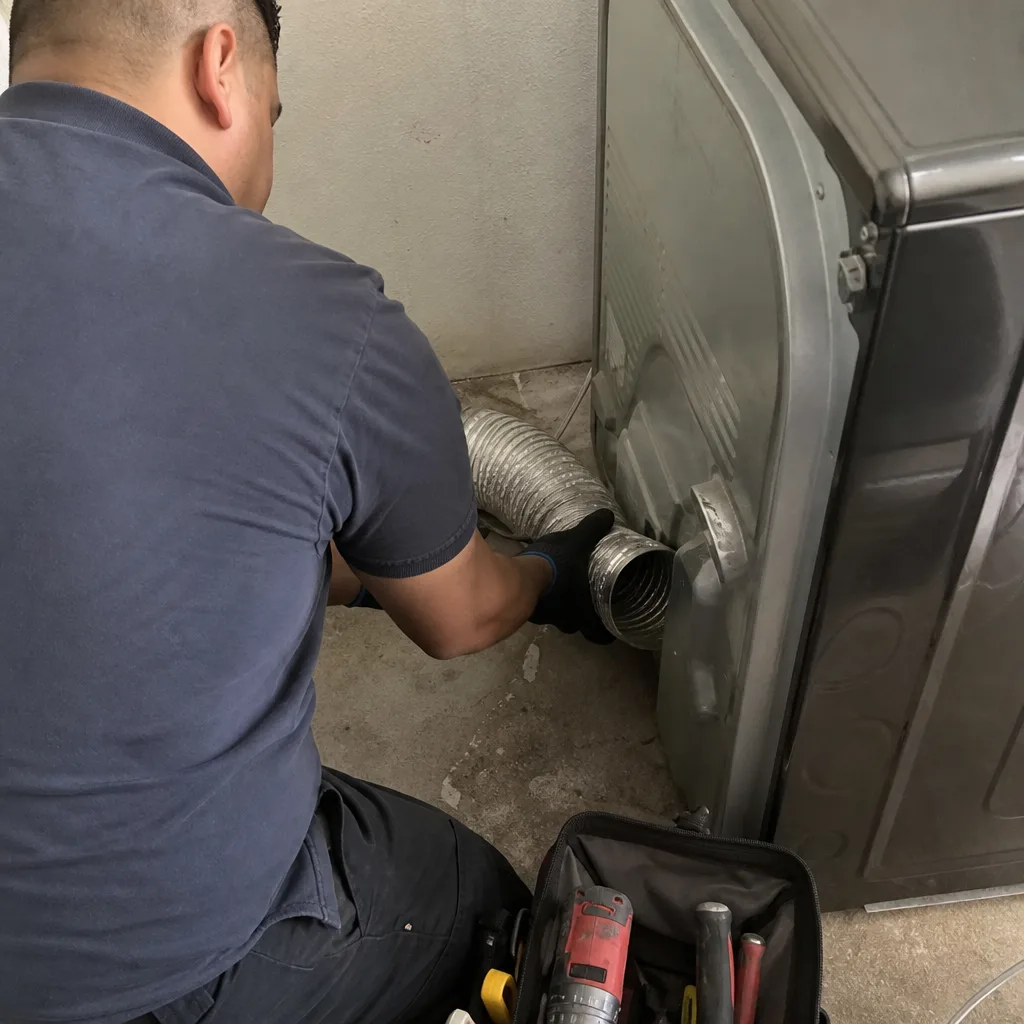
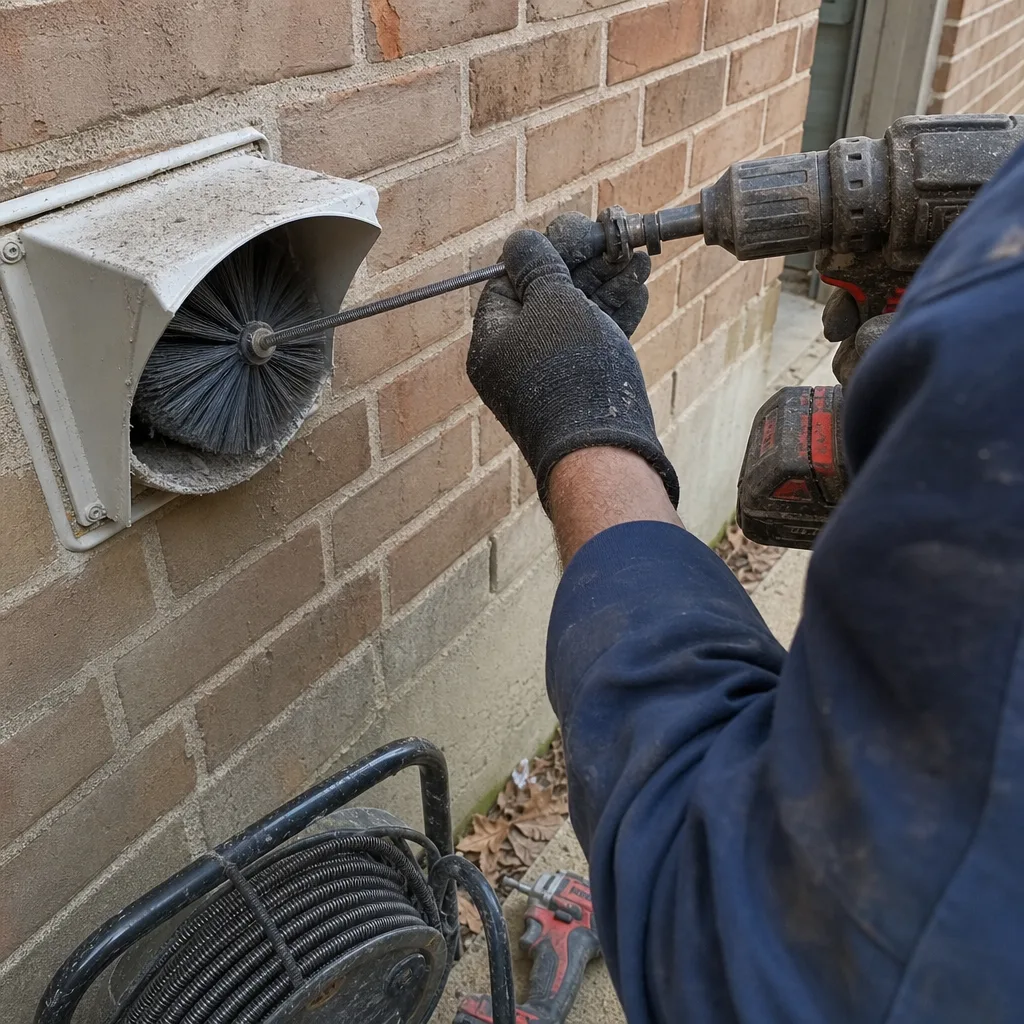
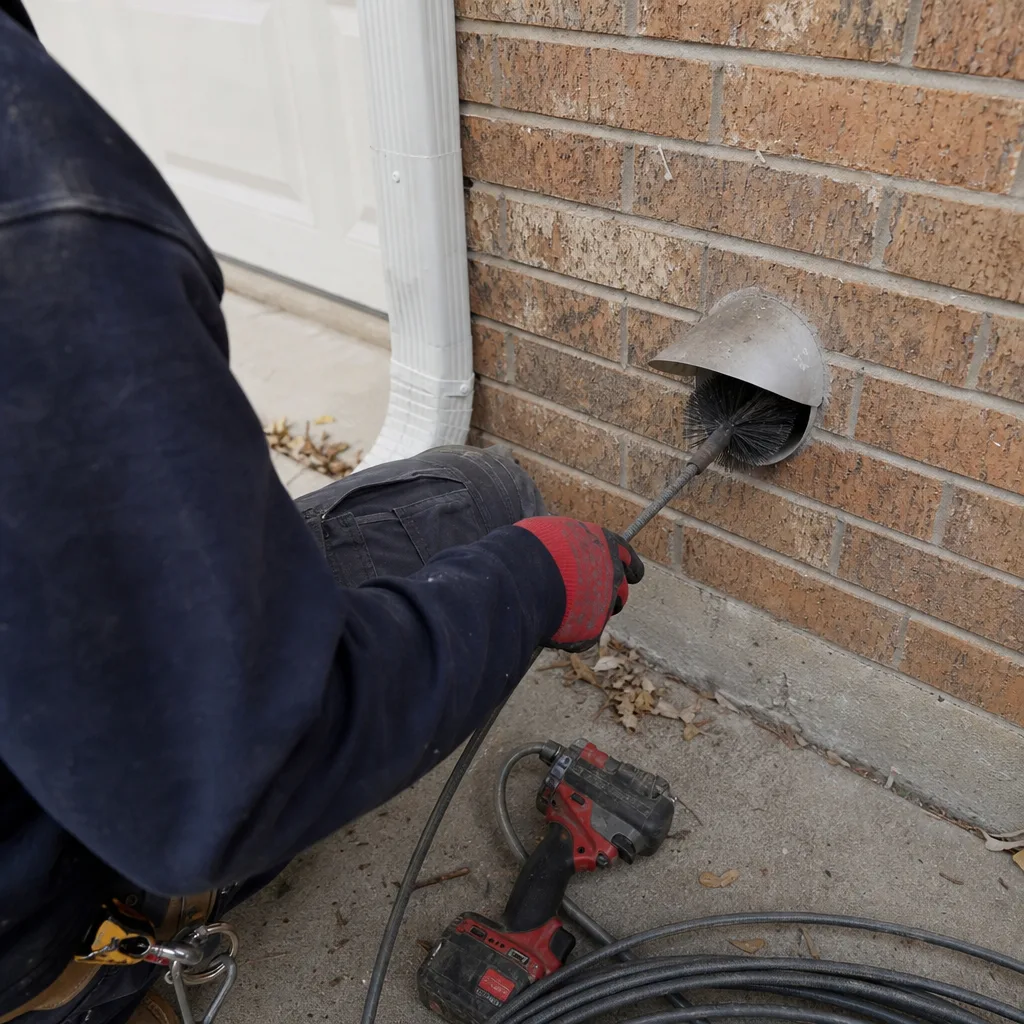
Whole-system duct and dryer vent check with before-and-after photos - you see exactly what came out of your vents
That "$99 whole-house special" is a bait ad - the real number appears once they are in your hallway, or the "clean" is a shop-vac at the register. We photograph the inside of your ducts before and after instead.

 Before
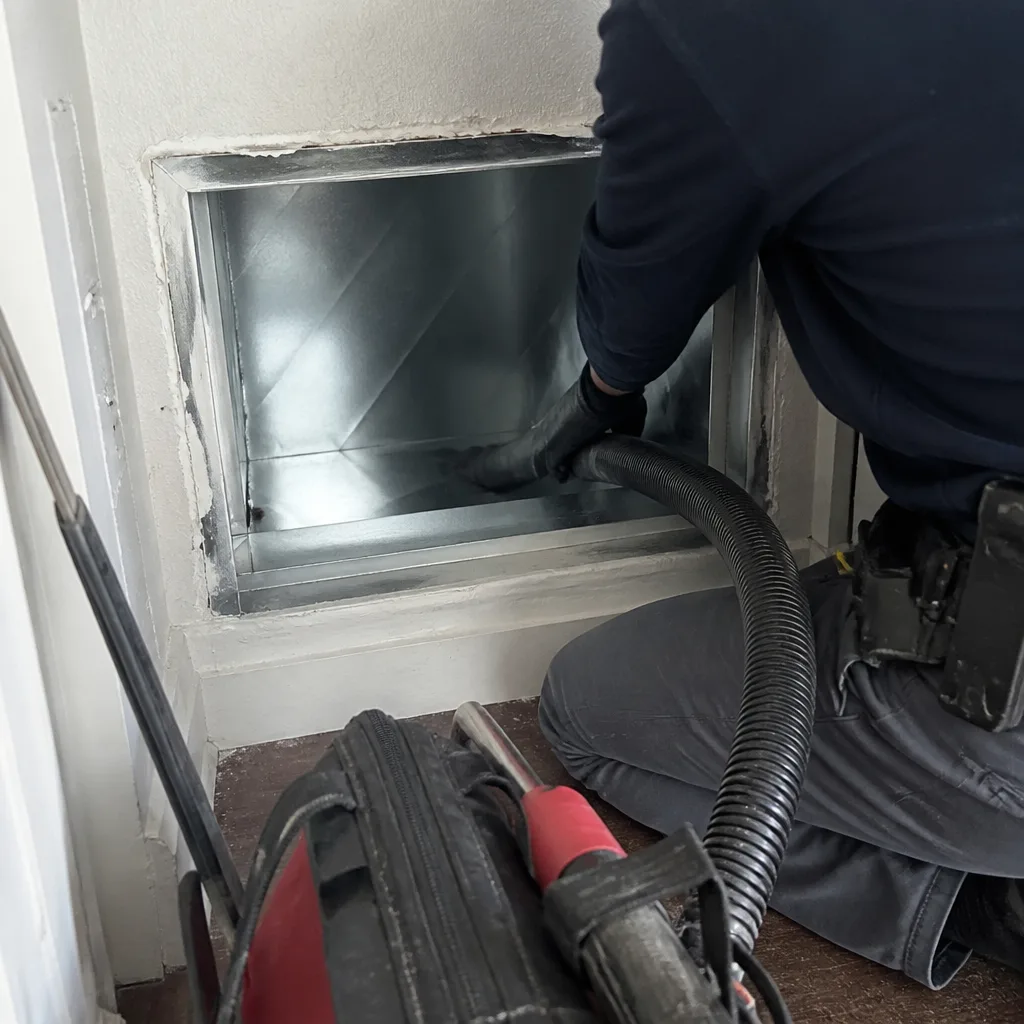 After
After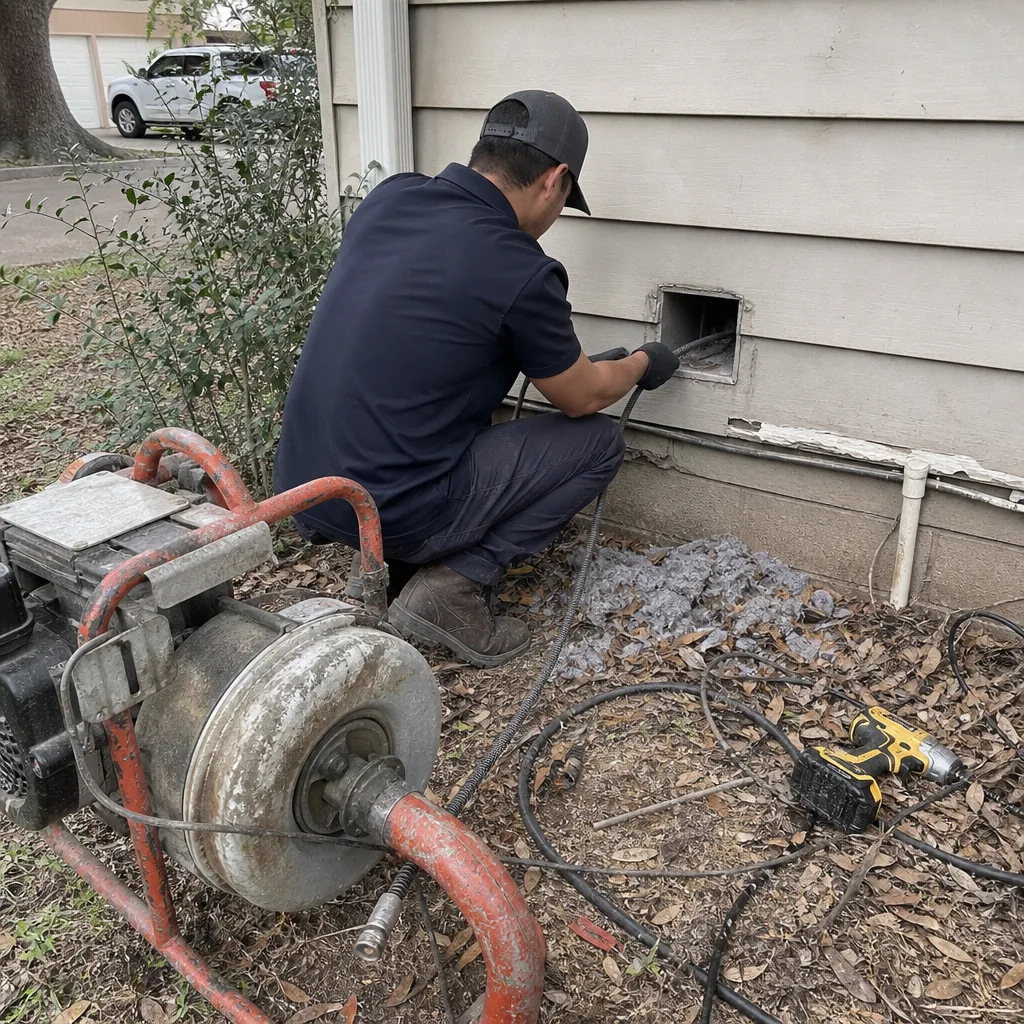 Before
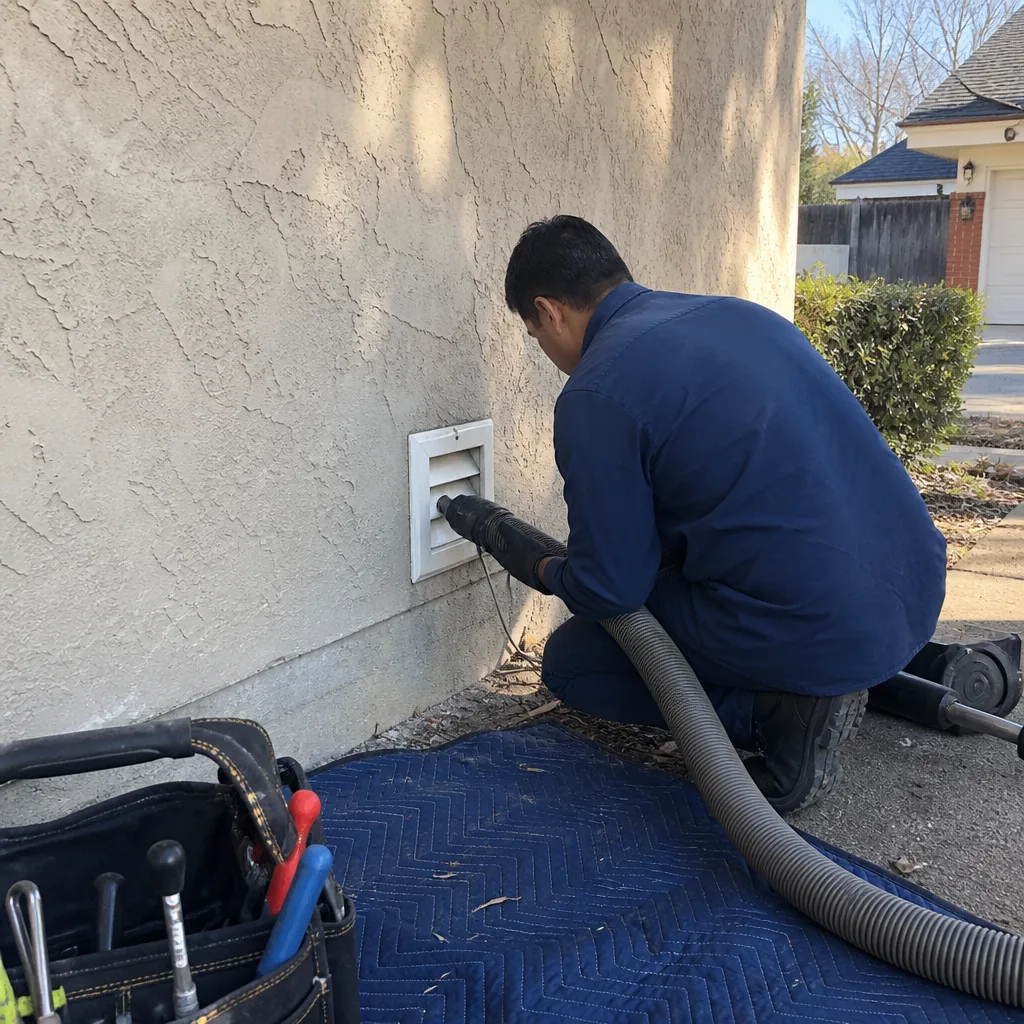 After
After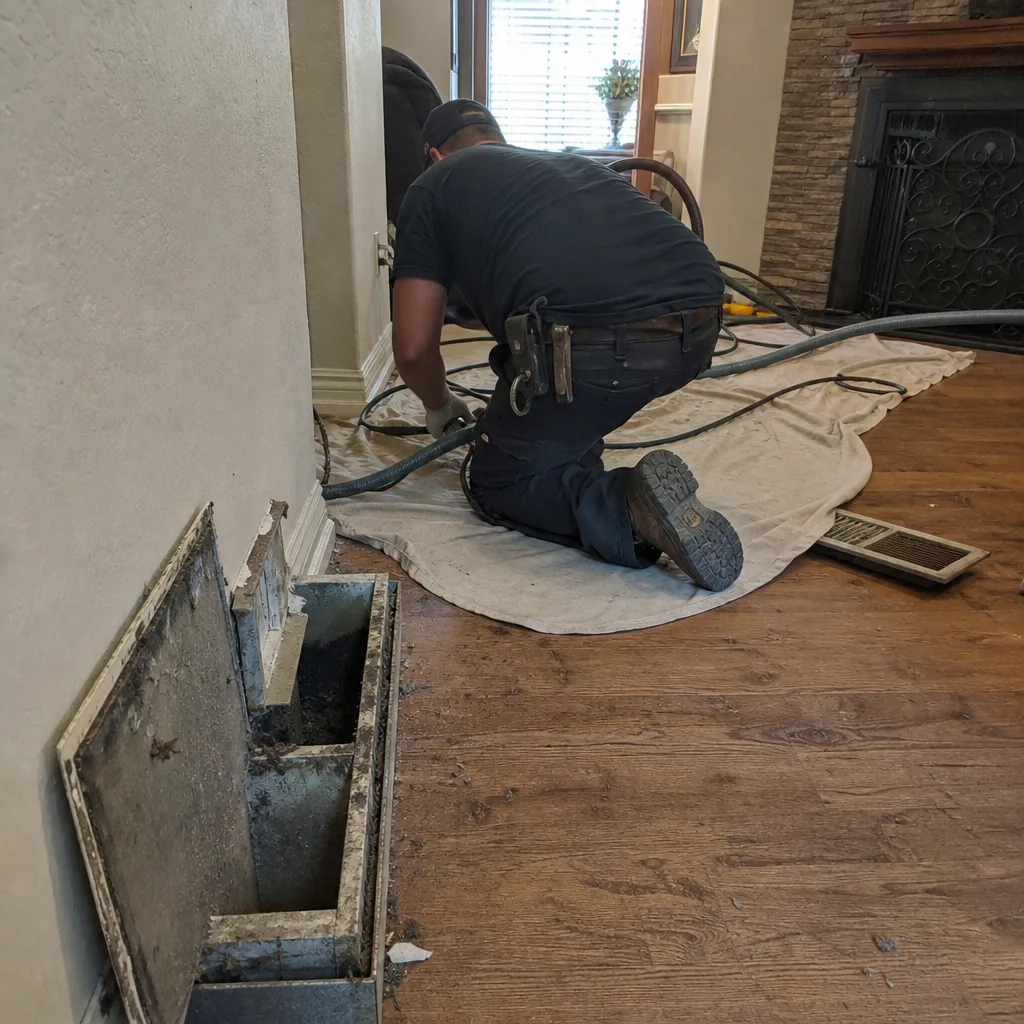 Before
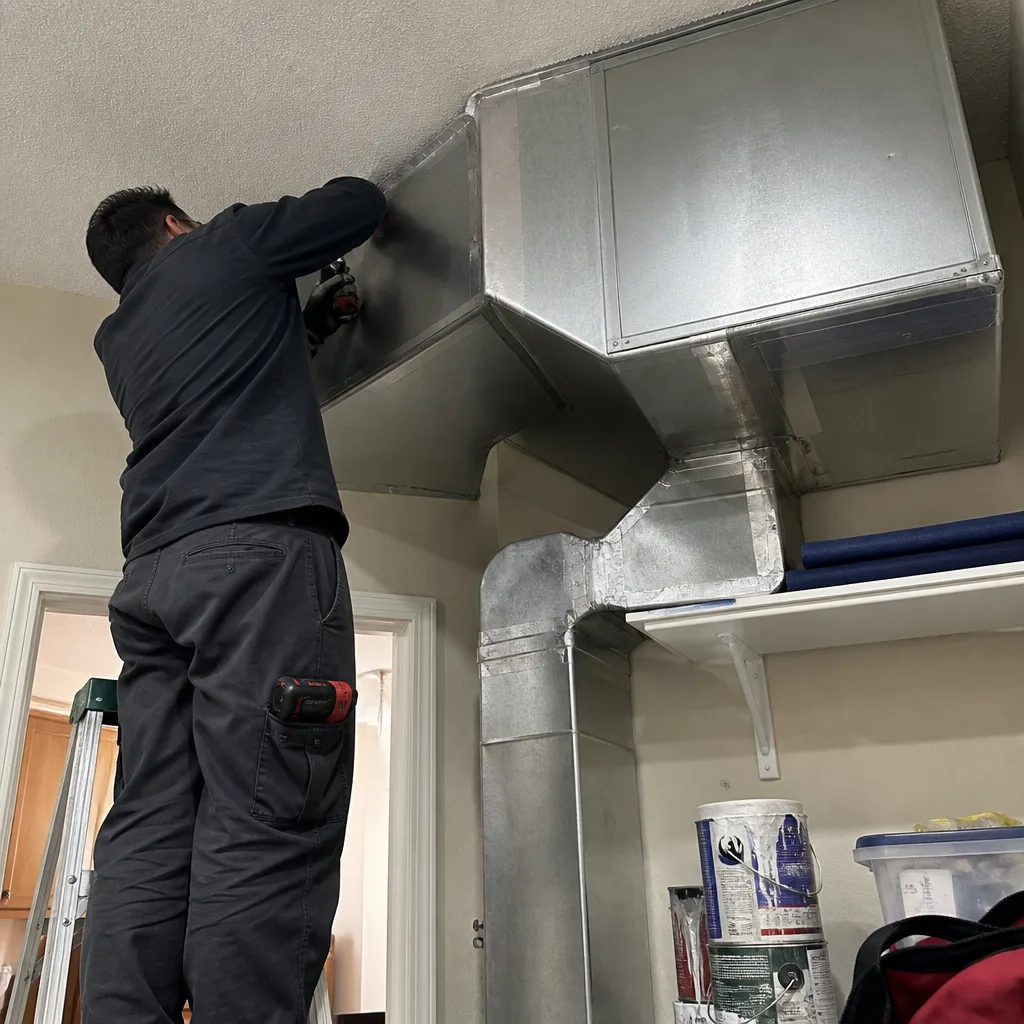 After
AfterAir Duct Cleaning Warning Signs: A Dallas Homeowner’s Reference Guide
Dust blowing from your register is not the beginning of a duct problem. It is the end of one. By the time debris is visible at the vent, the contamination has already cycled through your air handler, coated your evaporator coil, and distributed through every room your system serves. In Dallas, where cooling season runs from late March into November and HVAC systems operate under near-continuous load, the lag between actual duct contamination and observable symptoms can stretch to eight or ten weeks. Our Complete Guide to Air Duct Cleaning in Dallas covers the earlier indicators that precede visible dust: the thermal, mechanical, and biological warning signs that appear while the debris is still accumulating, not after it has already entered your living space. You will learn what to photograph before calling a contractor, how Dallas construction debris signatures differ from ordinary household dust, and why your condensate drain pan may be telling you more than your registers are.
Quick Answer
The earliest warning signs that your Dallas home needs Air Duct Cleaning services include uneven room temperatures, filters loading faster than their rated interval, and short-cycling of your HVAC system from restricted airflow. Before visible dust appears at registers, biological growth may show as gray-green patches on evaporator coils or standing water in condensate drain pans during humid cooling months. Construction debris from Dallas’s ongoing development, including drywall compound and blown insulation fragments, often enters duct systems during foundation settling or nearby remodeling.
Table of Contents
- Early Airflow Restrictions Before Visible Dust
- How to Distinguish Biological Growth from Ordinary Dust
- Dallas Construction Debris Signatures Inside Ductwork
- Condensate Drain and Coil Warning Signs in Dallas Humidity
- What to Photograph and Document Before Calling a Contractor
- Reading Your Filter as a Diagnostic Tool
- Temperature Zoning Problems as Duct Indicators
- Common Mistakes to Avoid
- When to Call a Professional
- Frequently Asked Questions
- The Bottom Line
BeforeAfterEarly Airflow Restrictions Before Visible Dust
Most homeowners in Dallas are told to watch for dust at the register. That advice arrives too late. The conditions that produce visible dust begin with airflow restriction, and airflow restriction produces measurable symptoms long before debris reaches the vent opening.
Uneven room temperatures are often the first sign. In a properly balanced system, a single-story Dallas home with a central return should maintain temperature variation of no more than two degrees between rooms on the same zone. When debris accumulates in duct runs serving distant rooms, airflow drops, and those rooms run two to four degrees warmer in cooling season. Homeowners in Lakewood and Oak Cliff frequently report this pattern first in the room farthest from the air handler, often a back bedroom with a long duct run through a hot attic. The thermostat reads 74, but the bedroom reads 78, and closing other registers does not fully correct it.
Filter loading faster than rated interval is the second early indicator. A standard one-inch pleated filter in a Dallas home with average occupancy and no pets should last 60 to 90 days. If you are replacing filters at 30 to 45 days and the loaded filter shows debris on the upstream face rather than embedded in the media, your ducts are returning particulate faster than the filter can capture it. The filter has become a symptom, not the problem.
Short-cycling, where the compressor starts and stops more frequently than designed, indicates the system is reaching setpoint too quickly at the thermostat location while failing to condition the full volume of the house. Restricted airflow from debris accumulation reduces the total air volume moved per cycle, so the thermostat zone satisfies while other rooms lag. In Dallas’s summer heat, short-cycling also stresses compressor longevity and raises humidity because the system does not run long enough to dehumidify.
Three mechanical signs complete the early picture:
- Increased static pressure measured at the air handler, if you have a manometer or if your HVAC technician has recorded historical readings. Normal residential static pressure is 0.5 inches water column or less. Readings above 0.7 often correlate with debris loading in return ductwork.
- Blower motor amp draw increase, detectable if your service technician tracks it. The motor works harder to move the same air volume against restriction.
- Whistling or rushing noise at registers that did not exist when the system was new, indicating the system is attempting to move design airflow through reduced opening area.
These symptoms appear weeks or months before dust becomes visible. In our experience serving Dallas since 2013, homeowners who catch the problem at this stage typically see moderate debris loading, 3 to 8 inches into the duct run, rather than the heavy accumulation that extends to the boot and register.
How to Distinguish Biological Growth from Ordinary Dust Accumulation
Not everything that looks dirty inside a duct is inert debris. Biological growth requires different handling, different equipment, and often different remediation scope. Learning to distinguish the two before calling a contractor protects you from both under-treatment and unnecessary upselling.
Ordinary dust accumulation in Dallas homes typically presents as:
- Gray to tan color, uniform across the surface
- Dry, powdery texture that smears when touched
- Even distribution following airflow patterns, heavier on horizontal surfaces and at direction changes
- No detectable odor, or a mild “old house” smell, not musty
Biological growth, which may include mold, mildew, or bacterial colonies, presents differently:
- Color variation: gray-green, black, pink, or orange patches, often with defined edges
- Texture that is slimy, fuzzy, or leathery rather than powdery
- Growth pattern that ignores airflow geometry, appearing on surfaces that should be low-deposition
- Musty or earthy odor, sometimes described as “wet cardboard” or “damp basement,” that intensifies when the system first starts
The critical distinction is moisture. Biological growth requires a water source. In Dallas, that source is almost always the cooling season: condensate on the evaporator coil, standing water in the drain pan, or high attic humidity during shoulder months when the system cycles less and air stagnates in ductwork.
We have documented cases in North Dallas and Richardson where homeowners reported “black dust” at registers that proved to be Cladosporium growth originating at a leaking coil pan. The growth pattern was the tell: it appeared on the upstream face of the register, where moist supply air first contacted the metal, rather than on the downstream face where ordinary dust would accumulate from room air.
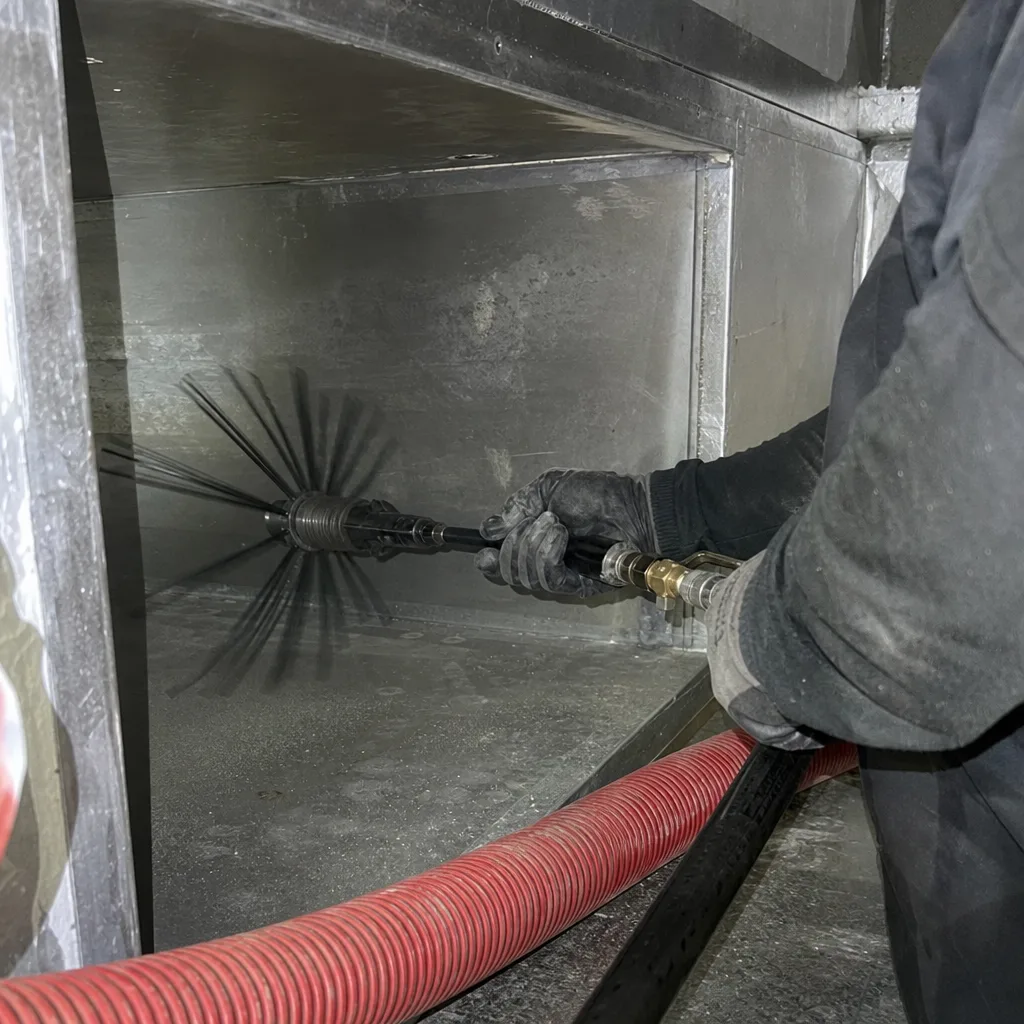
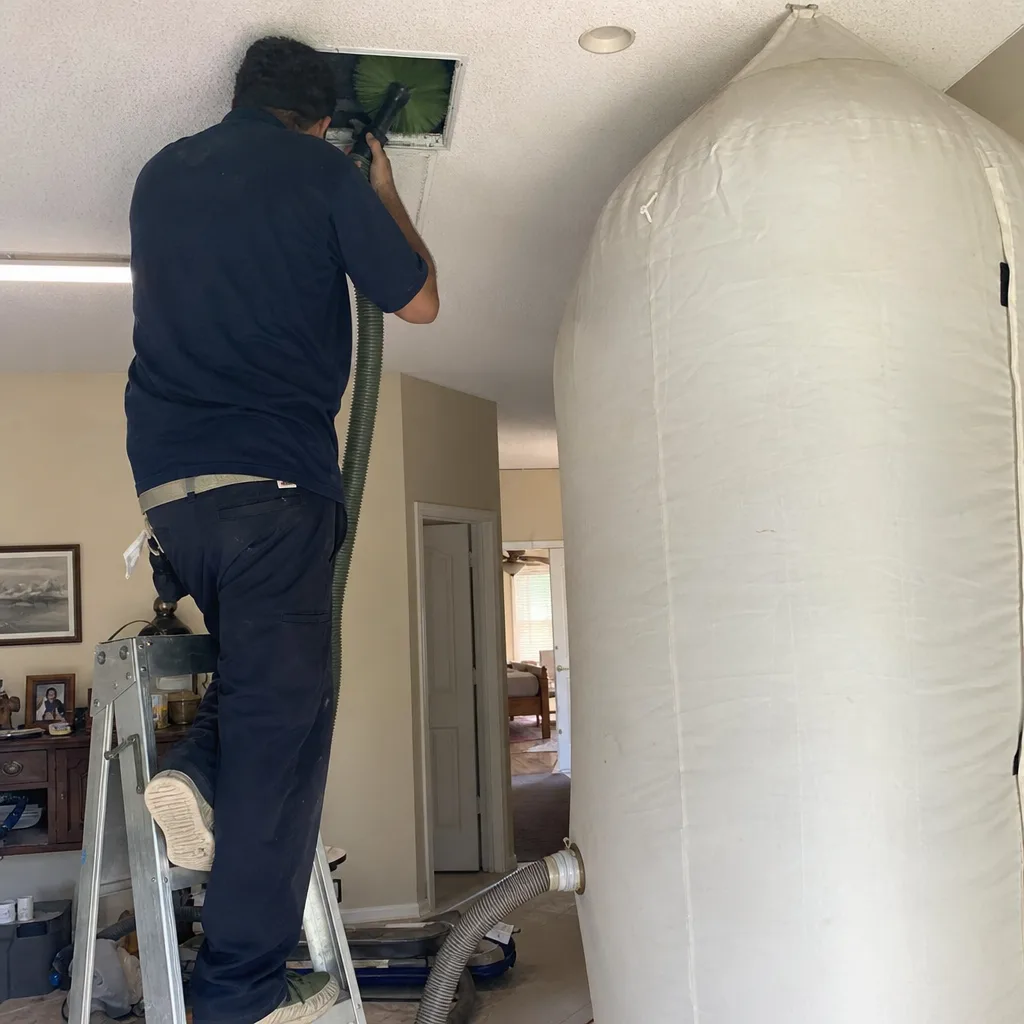
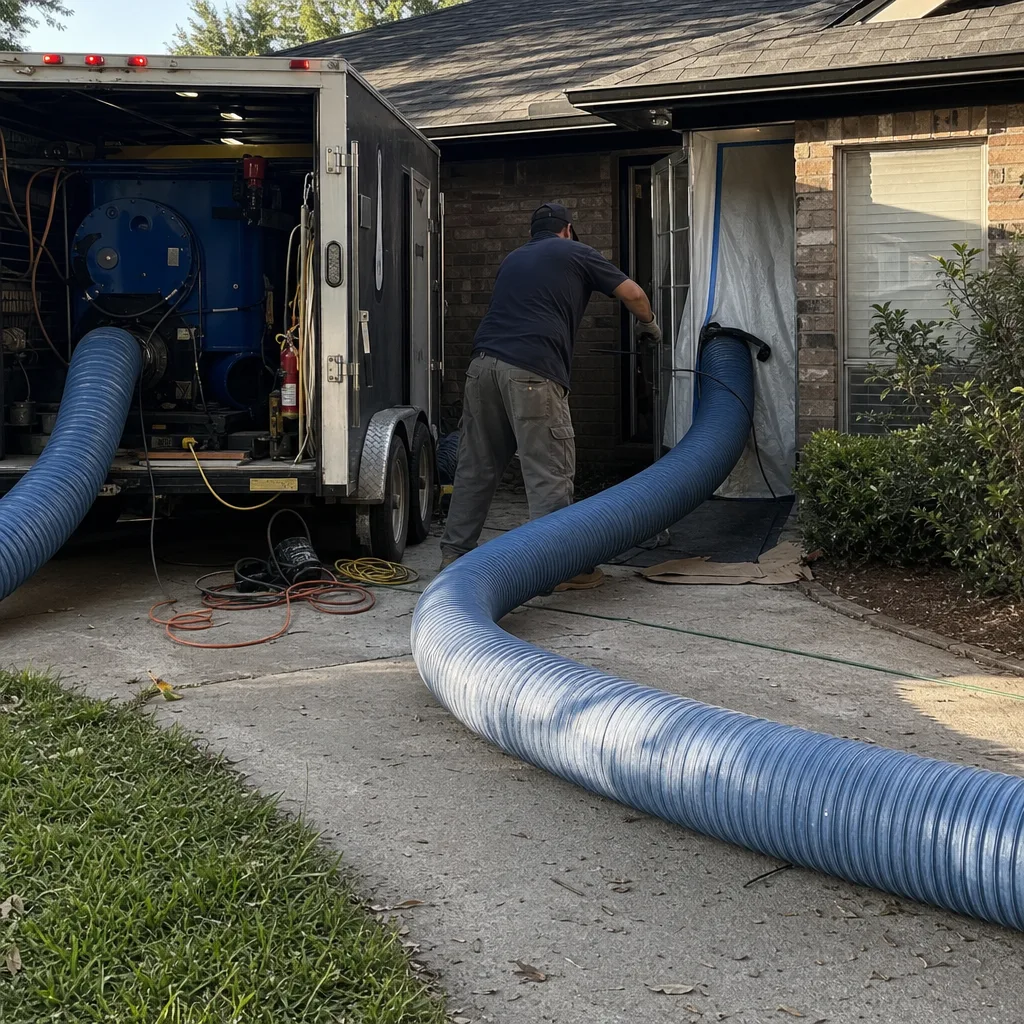
If you suspect biological growth, photograph it before disturbing it. Note the color, the texture, and the exact location within the duct run. A qualified inspector can then determine whether remediation requires source removal, which we perform with negative-pressure extraction using Nikro equipment, or whether the growth is superficial and addressable through mechanical cleaning and moisture correction.
Never attempt to sample or clean suspected biological growth yourself. Disturbing colonies without containment can distribute spores through the system. This is not a DIY assessment.
Dallas Construction Debris Signatures Inside Ductwork
Dallas’s construction landscape creates contamination profiles that differ from older, denser cities. New development continues in Frisco, McKinney, and the northern reaches; foundation repair is common in the clay-soil zones of East Dallas and Garland; and the 2015-2025 building boom left debris signatures in thousands of homes that remain in duct systems today.
Each debris type has a distinct appearance and indicates when and how it entered the system.
Drywall compound (joint compound) appears as white or off-white crusty deposits, often flaking in thin sheets. It is lightweight and becomes airborne during sanding, then drawn into return ducts during the construction phase or renovation. In Dallas, we find this frequently in homes built 2015-2020, particularly in subdivisions where final cleanup occurred before duct sealing was complete. It accumulates at the first elbow or damper in the return path, where velocity drops and particles settle. Drywall compound is inert but abrasive to blower wheels and can load filters prematurely.
Blown insulation fragments appear as fibrous, irregular material in pink, yellow, or white, depending on the manufacturer. In Dallas, loose-fill fiberglass and cellulose are common in attic installations. Fragments enter ductwork when installers step on or displace flexible duct, when attic access panels are removed during service, or when vibration from nearby construction shakes material through ceiling penetrations. The signature is unmistakable: fluffy, springy fibers that do not compact like dust. We see this often in Preston Hollow and Highland Park homes with complex attic duct networks where multiple trades have accessed the space.
Concrete dust from foundation work or nearby road construction appears as fine, gray, heavy particulate that settles in low-velocity zones. Unlike drywall compound, concrete dust is alkaline and can corrode aluminum coil fins over time if it reaches the air handler. In Dallas’s expansive clay soils, foundation repair is common in neighborhoods like Lakewood and Kessler Park. The vibration from pier installation, sometimes extending to neighboring properties, can dislodge decades of attic debris into ductwork. Concrete dust at the register boot almost always indicates recent or ongoing exterior disturbance.
Wood framing debris from new construction appears as splinters, sawdust, and occasional fastener fragments. In Dallas’s rapid-build subdivisions, we have found this in systems where the HVAC contractor ran ductwork before final framing cleanup. The debris is coarse and tends to jam in damper mechanisms and register louvers.
What these signatures tell you: the source, the timing, and sometimes the pathway. Drywall compound means construction-phase contamination. Blown insulation means attic intrusion, recent or historical. Concrete dust means exterior vibration or foundation work. Knowing which you have helps determine whether cleaning alone is sufficient or whether duct repair, sealing, or attic isolation is also needed.
At CleanRun Air Duct Cleaning Dallas home, we photograph and identify debris signatures during every inspection. The photo record becomes part of your job documentation, referenced under Haven Standard Clause 1: Written Scope and Price Before Work Begins.
Condensate Drain and Coil Warning Signs in Dallas Humidity
Dallas cooling season humidity averages 60 to 70 percent from May through September, with peaks above 80 percent during Gulf air incursions. This moisture load creates conditions inside your air handler that do not exist in drier climates, and the warning signs appear there before they appear at your registers.
Standing water in the condensate drain pan is the most direct indicator. A properly draining system should show no more than a thin film of water during operation. If you observe water depth exceeding one-quarter inch, or if water remains 30 minutes after the compressor cycles off, you have a drainage restriction. The causes include algae or biofilm in the drain line, a cracked or improperly sloped pan, or debris accumulation at the pan outlet. In Dallas, algae growth in drain lines accelerates from June through August; we treat this as a maintenance issue, but when it recurs despite cleaning, it often signals debris loading on the coil that is washing into the pan.
Biological growth on the evaporator coil appears as gray-green or black film on the aluminum fins, visible only if you remove the access panel. This is not a homeowner inspection point, but you can infer its presence from secondary signs: musty odor that originates at the air handler location rather than at distant registers, or a sudden drop in system efficiency that does not correlate with filter condition. The coil is the first wet surface in the airflow path; any organic debris that passes the filter accumulates there, and Dallas humidity provides the moisture for colonization.
Musty odors that track with cooling cycles indicate moisture is not being fully removed. A clean, properly sized system in a Dallas home should dehumidify to 50 to 55 percent relative humidity at the thermostat location. If your home feels clammy at 72 degrees, or if odors intensify for the first ten minutes after the compressor starts, the coil may be fouled and the pan may be retaining water.
The critical distinction for Dallas homeowners: musty odor at the register versus musty odor at the air handler. Register-originated odor suggests duct contamination. Air-handler-originated odor suggests coil and pan issues, which may or may not have propagated into ductwork. Both require professional assessment, but the scope differs. Coil and pan cleaning is a separate service from full duct cleaning, though they are often performed together when contamination has spread.
We document coil condition with photographs during every HVAC Cleaning in Dallas service, included in the standard photo record. If you are experiencing humidity or odor issues without visible duct debris, this inspection point is where we typically find the source.
What to Photograph and Document Before Calling a Contractor
The conditions inside your ductwork change the moment a technician opens a panel. Creating your own record before anyone arrives protects your interests and improves the quality of the estimate you receive.
- Photograph each register from two angles. Take one image straight-on, showing the full face and surrounding wall or floor. Take a second image at a steep angle, using your phone’s flash to illuminate the duct interior as far as light reaches. Note the date and room location for each.
- Photograph your current and most recent filter. Show the brand, the MERV rating, the installation date if marked, and the loaded face. This establishes your maintenance history and helps distinguish between normal loading and accelerated loading.
- Photograph your thermostat readings. Record the setpoint and the actual temperature in each room at the same time of day, with the system running continuously for at least 20 minutes. Temperature variation between rooms is evidence of airflow imbalance.
- Photograph your air handler area if accessible. The condensate drain line, the drain pan, and any visible coil surface. Do not remove panels that require tools; photograph what you can see through factory access ports or louvers.
- Document your system’s service history. Note the date of last professional maintenance, any prior duct cleaning, and any repairs or modifications. If you have invoices, gather them.
- Note odors and timing. Write down when musty or other odors occur: at startup, continuously, or only during certain weather. Note whether they track with cooling, heating, or both.
This documentation serves two purposes. First, it gives you an independent record that predates any contractor’s visit, preventing disputes about whether conditions were pre-existing or caused by service. Second, it allows meaningful comparison between estimates. A contractor who does not ask to see your photographs, or who proceeds to quote without inspecting them, is not performing due diligence.
At CleanRun, we request your photographs before scheduling an inspection (see our more guides & resources for preparation tips). They inform whether we bring full duct cleaning equipment, coil cleaning capability, or moisture assessment tools. This is part of Haven Standard Clause 1: the written price is based on a defined scope, and the scope is based on documented conditions.
Reading Your Filter as a Diagnostic Tool
Your HVAC filter is the most accessible diagnostic point in the system, and most homeowners misread it. The question is not whether the filter is dirty; the question is how, where, and when it became dirty.
Upstream loading versus through-loading. A filter doing its job captures debris within the media, showing gradual darkening from the upstream face toward the downstream face. A filter that is clean in the center but heavily loaded at the edges, or that shows debris only on the upstream surface, is not filtering properly. It is acting as a coarse screen, catching large particles while passing fine debris to the coil and ducts. This pattern indicates either a filter bypass, where air is leaking around the filter frame, or filter media failure, sometimes from moisture exposure or improper sizing.
Loading interval as a trend. Record the installation date and the replacement date for three consecutive filters. In Dallas, with our long cooling season, intervals should be relatively consistent. A sudden 30 percent reduction in interval, without changes in occupancy, pets, or activity, indicates a new contamination source or a system operating more hours due to short-cycling or temperature imbalance.
Debris type on the filter. Ordinary household dust is gray-tan and uniform. Fibrous material suggests insulation intrusion. Black, oily residue suggests combustion byproducts, which in Dallas homes usually indicates a cracked heat exchanger or backdrafting, not a duct issue, and requires immediate professional attention. White powdery material suggests drywall compound or concrete dust.
MERV rating versus system design. A filter with MERV rating too high for your system’s blower capacity creates restriction that mimics duct debris symptoms. We have encountered Dallas homeowners who installed MERV 13 filters in systems designed for MERV 8, then called for duct cleaning to address airflow problems that were actually filter-induced. Check your equipment documentation or ask your maintenance technician for the maximum recommended MERV. If you prefer higher filtration, consider a system modification rather than forcing the existing blower against excessive restriction.
The filter is a data point, not the diagnosis. Used correctly, it tells you when to investigate further. Used alone, it can mislead.
Temperature Zoning Problems as Duct Indicators
Temperature variation between rooms is normal within limits. In Dallas’s summer heat, a west-facing room with single-pane windows may run three degrees warmer than an interior room regardless of duct condition. But systematic variation that does not track with solar exposure, or that appears suddenly after years of even cooling, points to duct degradation.
The diagnostic test: On a day above 90 degrees, with the system running continuously for 45 minutes, measure temperature at the supply register in each room using the same thermometer. Measure at the same distance from the register, 12 to 18 inches, to avoid radiant effects from the register surface. Record the temperature and the airflow velocity if you have an anemometer or can borrow one.
Interpret the results:
- Supply air temperature consistent, but airflow low in one room: Restriction in that duct run, likely debris accumulation or duct collapse. Common in flexible duct that has been compressed by attic storage or damaged by vermin.
- Supply air temperature warmer in one room, with normal airflow: Duct leakage, typically in an unconditioned attic where supply air mixes with 140-degree attic air before reaching the register. Dallas attic temperatures in August routinely exceed 130 degrees; even a 10 percent leak produces measurable warming.
- Supply air temperature and airflow both reduced in all rooms on one zone: Zone damper malfunction or restriction at the plenum branch. This is a mechanical issue, not necessarily a cleaning issue, though debris at the damper may be the cause.
- Supply air temperature normal, airflow normal, but room does not reach setpoint: Insulation or envelope problem, not a duct problem. Do not pay for duct cleaning to fix a window leak.
In Dallas’s Uptown and Deep Ellum areas, we frequently encounter multi-story townhomes with single-zone systems where the upstairs-downstairs differential is designed in, not a fault. The diagnostic test distinguishes these cases from true duct problems. A 6-degree differential in a two-story home with one thermostat may be normal. A 6-degree differential that appeared last summer after five years of 3-degree differential is not.
Temperature zoning data, recorded and dated, becomes part of your documentation package. It also validates the effectiveness of any subsequent service. After Air Duct Cleaning in Dallas or repair, repeat the same test under the same conditions. The improvement should be measurable and documented.
Common Mistakes to Avoid
- Waiting for visible dust at registers. This is the final stage of contamination, not the first. By the time dust is visible, debris has already distributed through the system and likely coated the coil. Earlier indicators save money and preserve equipment.
- Assuming new construction means clean ducts. Dallas’s building boom produced homes with construction debris in ductwork from day one. We have cleaned systems in 2023-built homes with more drywall compound loading than 1990s homes with two decades of occupancy. Construction-phase protection of ductwork is inconsistent across builders.
- Treating biological growth with DIY methods. Bleach sprays, vinegar solutions, and consumer-grade “mold bombs” do not penetrate duct interiors, do not address the moisture source, and can damage components. Worse, disturbing growth without containment distributes spores. This is a professional service requiring negative-pressure containment and appropriate remediation.
- Accepting per-vent pricing. A home with 12 vents and a home with 8 vents may have identical total duct footage and identical system configuration. Per-vent pricing incentivizes superficial cleaning of easily accessed registers while ignoring the plenum and trunk lines where most debris accumulates. Insist on whole-system scope and whole-system pricing.
- Ignoring the condensate drain. In Dallas humidity, a clogged drain can overflow into return plenums, saturating debris and accelerating biological growth. The drain is not a secondary system; it is part of the air quality pathway. Include drain inspection in any duct assessment.
- Replacing filters on a calendar schedule without inspection. A filter that looks clean at 90 days in January may be fully loaded at 45 days in July. Inspect the filter, do not just replace it. The condition tells you about system loading.
- Attributing all symptoms to “Dallas allergies.” Cedar fever and spring pollen are real, but they are exterior sources. If symptoms worsen indoors, particularly in rooms with poor airflow or musty odor, the cause is interior contamination, not exterior pollen. Allergy medication treats the symptom; duct assessment addresses the source.
When to Call a Professional
Call for professional assessment when you observe two or more early indicators simultaneously: temperature variation plus accelerated filter loading, or musty odor plus short-cycling, or any biological growth indicator plus recent construction activity nearby. Single symptoms can have multiple causes; symptom clusters point to duct contamination with higher confidence.
Call promptly if you detect combustion byproducts (black, oily filter residue), refrigerant odor (sweet, chemical smell), or electrical burning smell. These are safety hazards, not cleaning issues.
CleanRun Air Duct Cleaning Dallas offers free estimates in Dallas. Every estimate includes a written scope and price before work begins, under Haven Standard Clause 1, and every job concludes with a Documented Photo Record of every duct run. Call (469) 405-6133 to schedule or to request a Free Second Opinion on any written estimate from another provider.
Frequently Asked Questions
Whole-system air duct cleaning for a typical Dallas single-family home ranges from $450 to $850, depending on system size, accessibility, and contamination level. This includes all supply and return duct runs, the plenum, and the registers, with a written price agreed before work starts. Call (469) 405-6133 for an exact quote; estimates are free.
Low quotes typically reflect limited scope, not lower cost per unit of work. A $199 service often covers only register vacuuming and perhaps a few feet of accessible duct, leaving trunk lines and plenums untouched. The full system remains contaminated. At CleanRun, Haven Standard Clause 1 requires written scope and price before work begins, so you know exactly what is included.
Demand a documented photo record of every duct run, before and after, delivered as part of the standard job record. CleanRun has provided this on every job since 2013. Without photographs, you have only the contractor’s word. With photographs, you have verifiable evidence of scope completion.
In Dallas’s climate, with our extended cooling season and ongoing construction activity, most homes benefit from inspection every three to five years. Homes with recent renovation, foundation repair, or known duct damage may need more frequent service. Filter performance and temperature consistency are your ongoing indicators; when these degrade outside normal parameters, schedule assessment regardless of elapsed time.
Consumer-grade vacuums and brush attachments cannot generate the negative pressure required for source removal, cannot reach past the first few feet of duct, and cannot access the plenum or trunk lines where most debris accumulates. More critically, disturbing contamination without containment can worsen indoor air quality. Professional equipment from manufacturers like Nikro and Abatement Technologies is designed for controlled, contained extraction.
Dallas humidity extends the cooling season and increases moisture at the evaporator coil, accelerating biological growth when debris is present. The combination of debris plus moisture is more problematic than debris alone. Humidity does not change the cleaning interval for inert dust, but it does make moisture-related indicators, condensate drain function, and coil condition more important to monitor.
The Bottom Line
Visible dust at your register is the end of a process that began weeks earlier with airflow restriction, filter loading, and thermal imbalance. In Dallas’s demanding climate, the lag between problem onset and visible symptom gives homeowners who know the earlier indicators a significant advantage. Document conditions yourself. Distinguish debris types by their signatures. Read your filter as a trend, not a calendar item. And when you call a professional, insist on written scope, written price, and documented results before any work begins.
Written by Tomas Reyes, Owner at CleanRun Air Duct Cleaning Dallas, serving Dallas since 2013.