
Last updated September 23, 2026
Whole-system duct and dryer vent check with before-and-after photos - you see exactly what came out of your vents
That "$99 whole-house special" is a bait ad - the real number appears once they are in your hallway, or the "clean" is a shop-vac at the register. We photograph the inside of your ducts before and after instead.
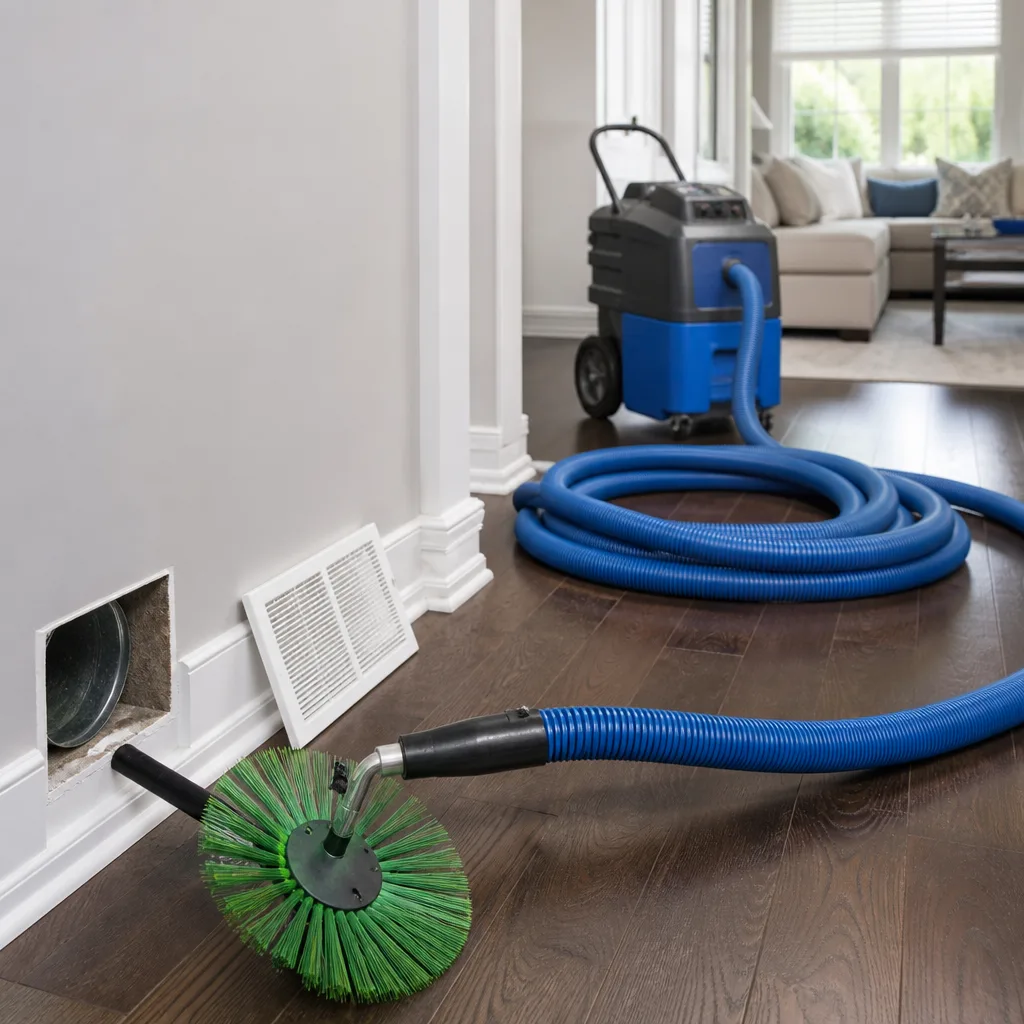
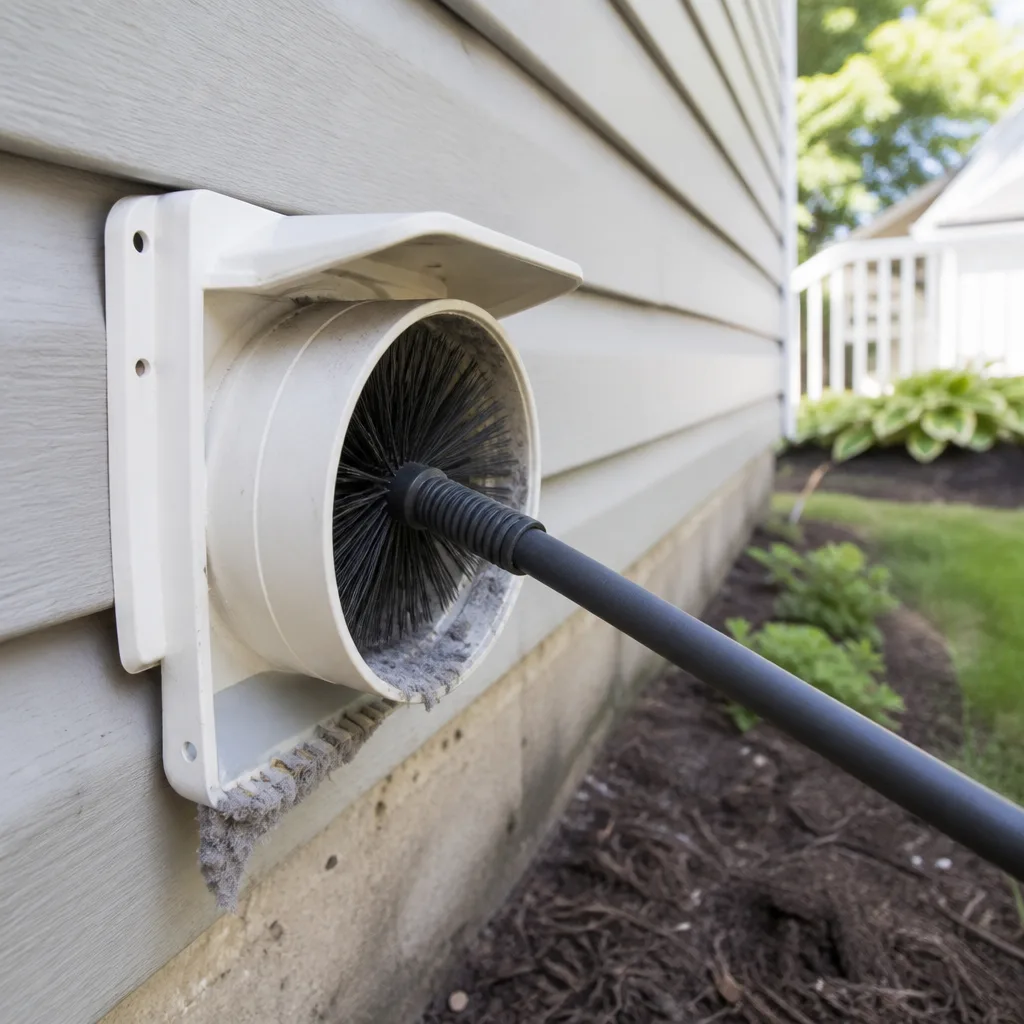
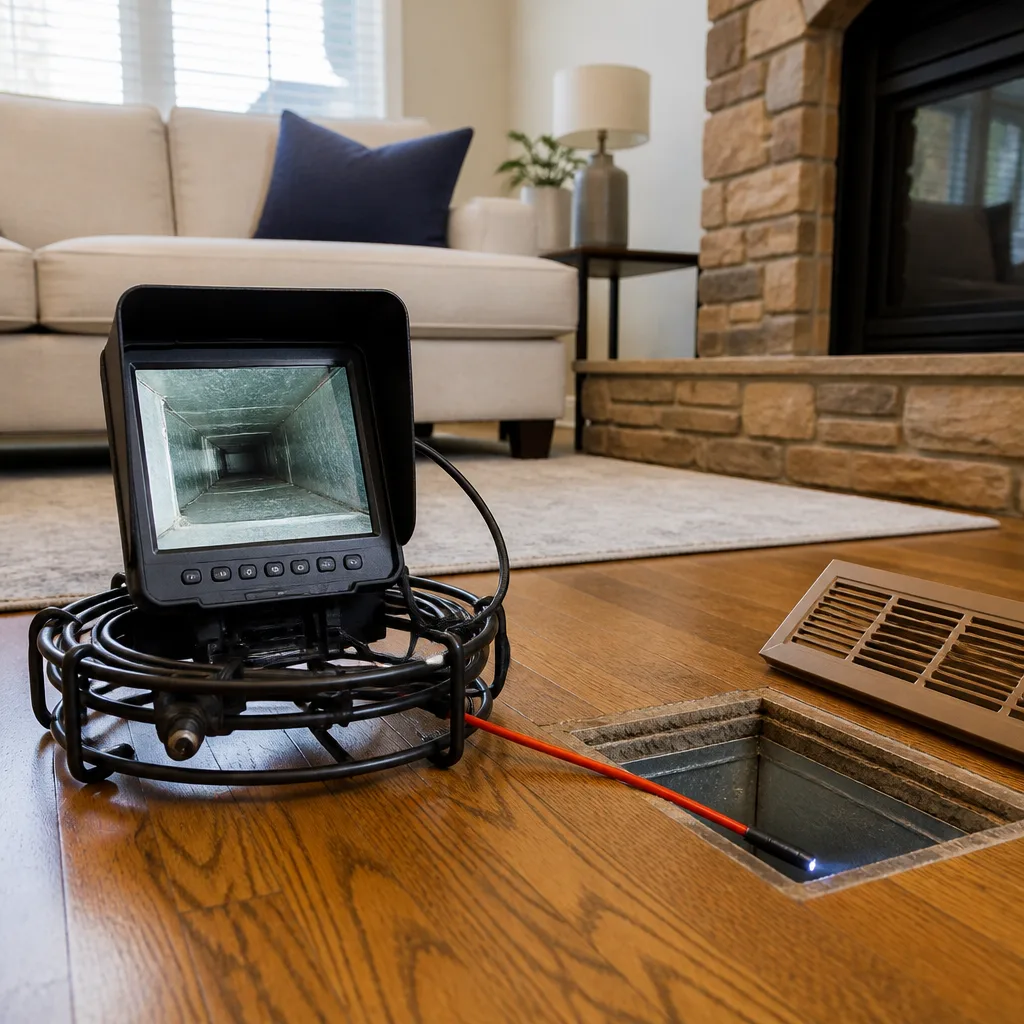
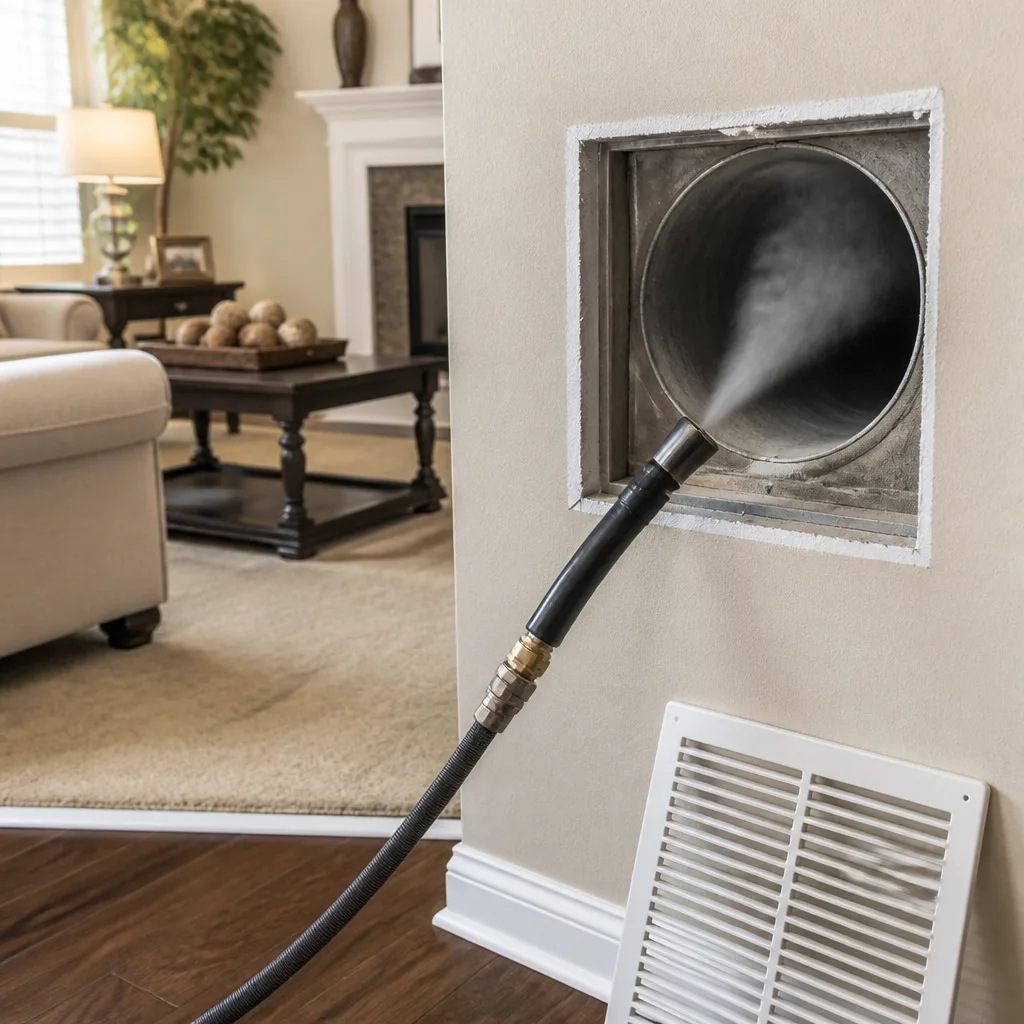
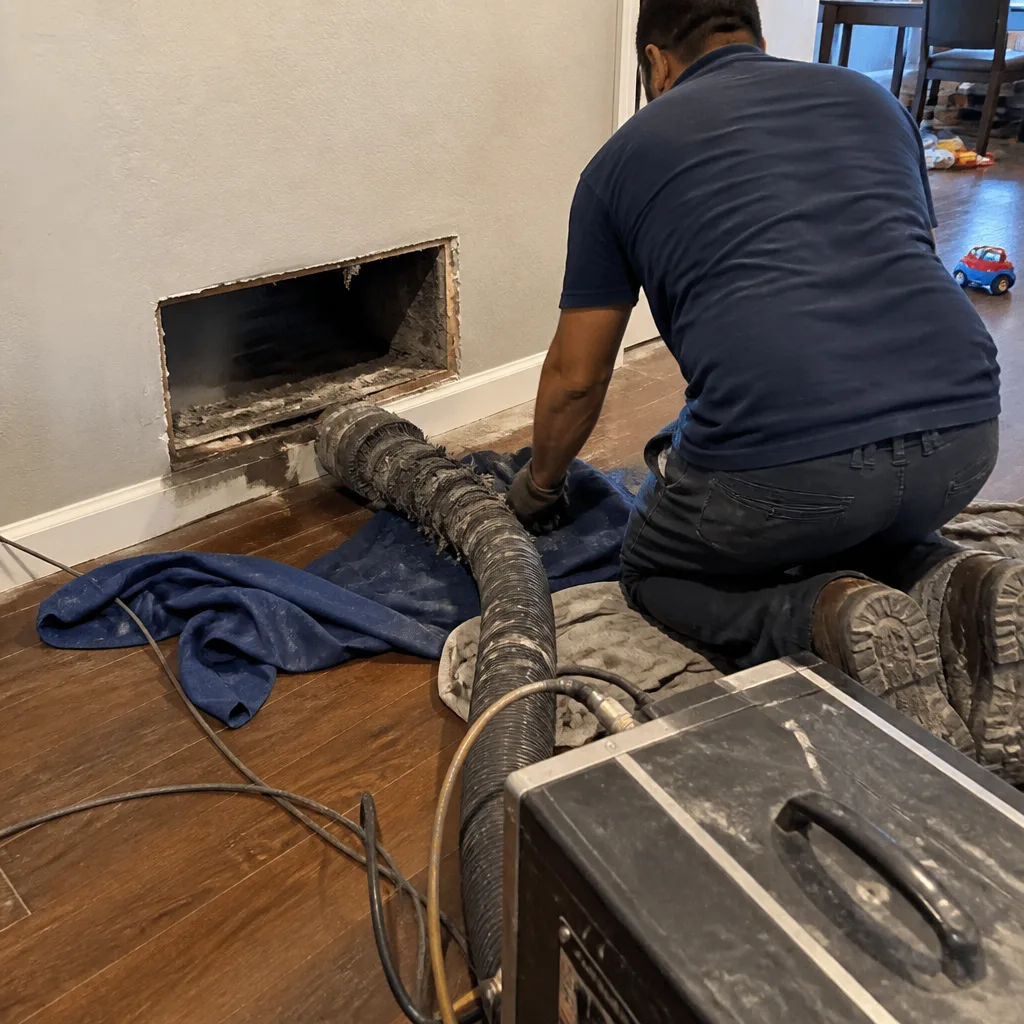 Before
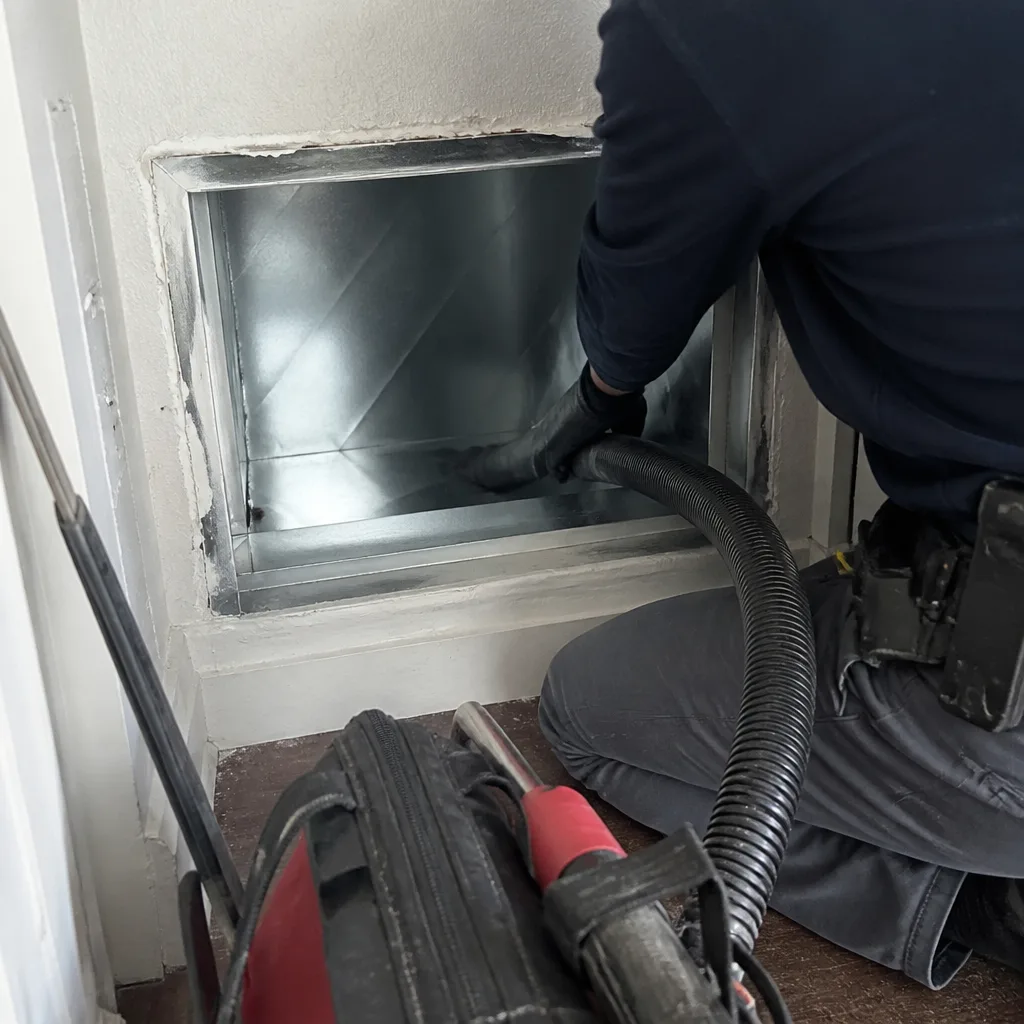 After
After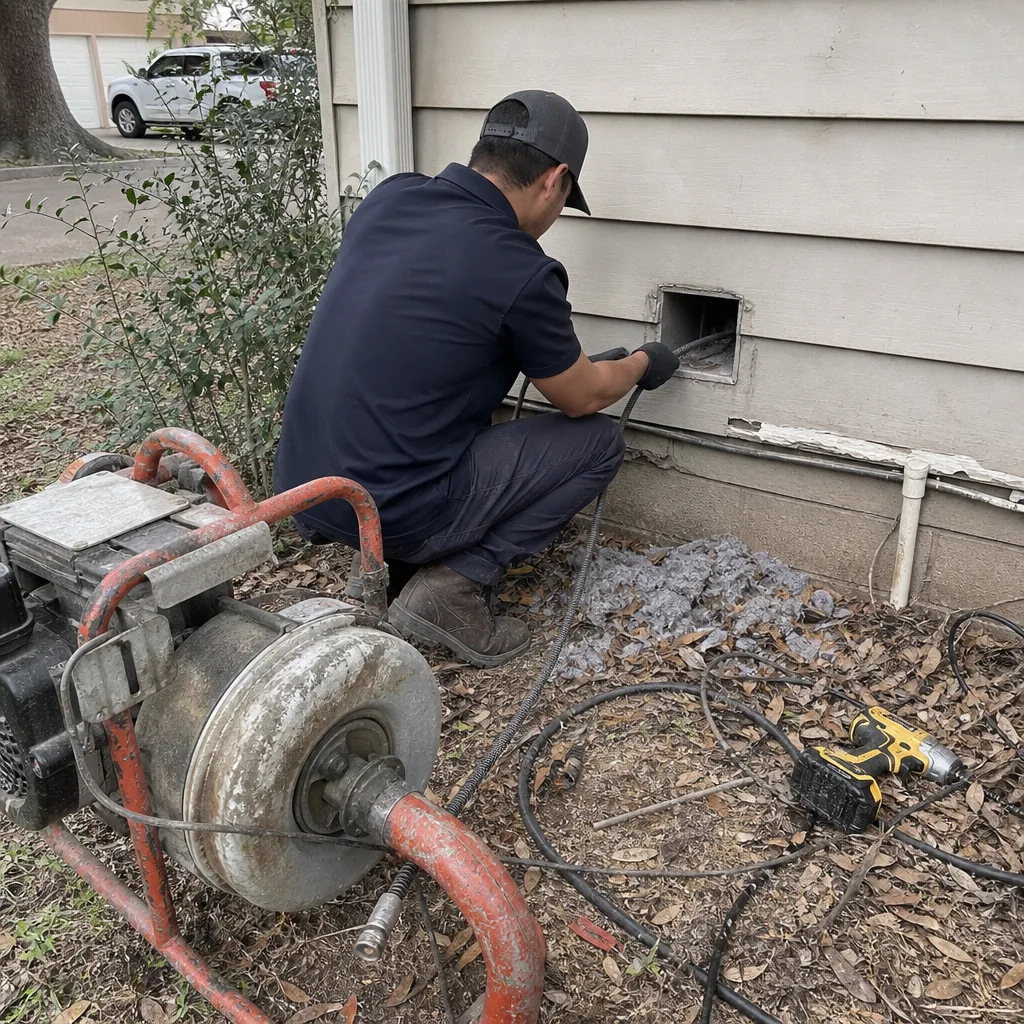 Before
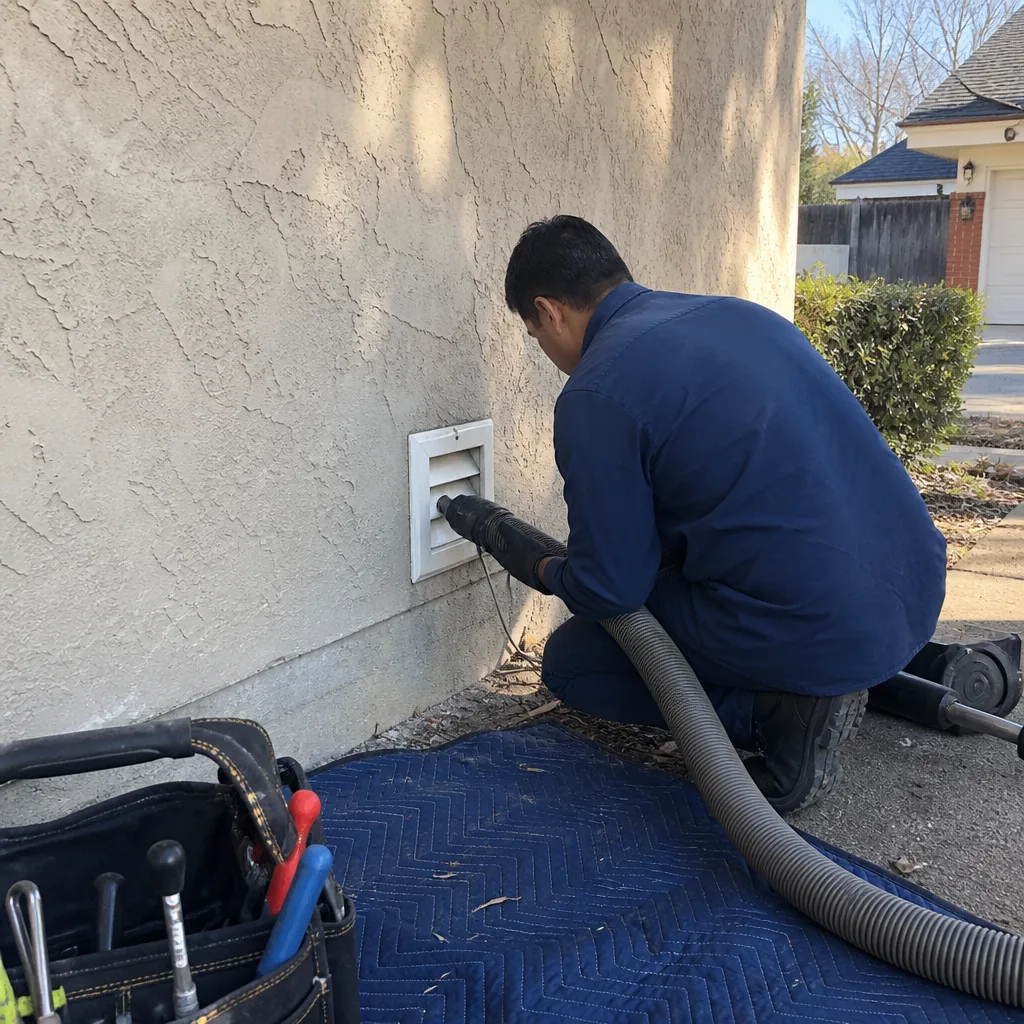 After
After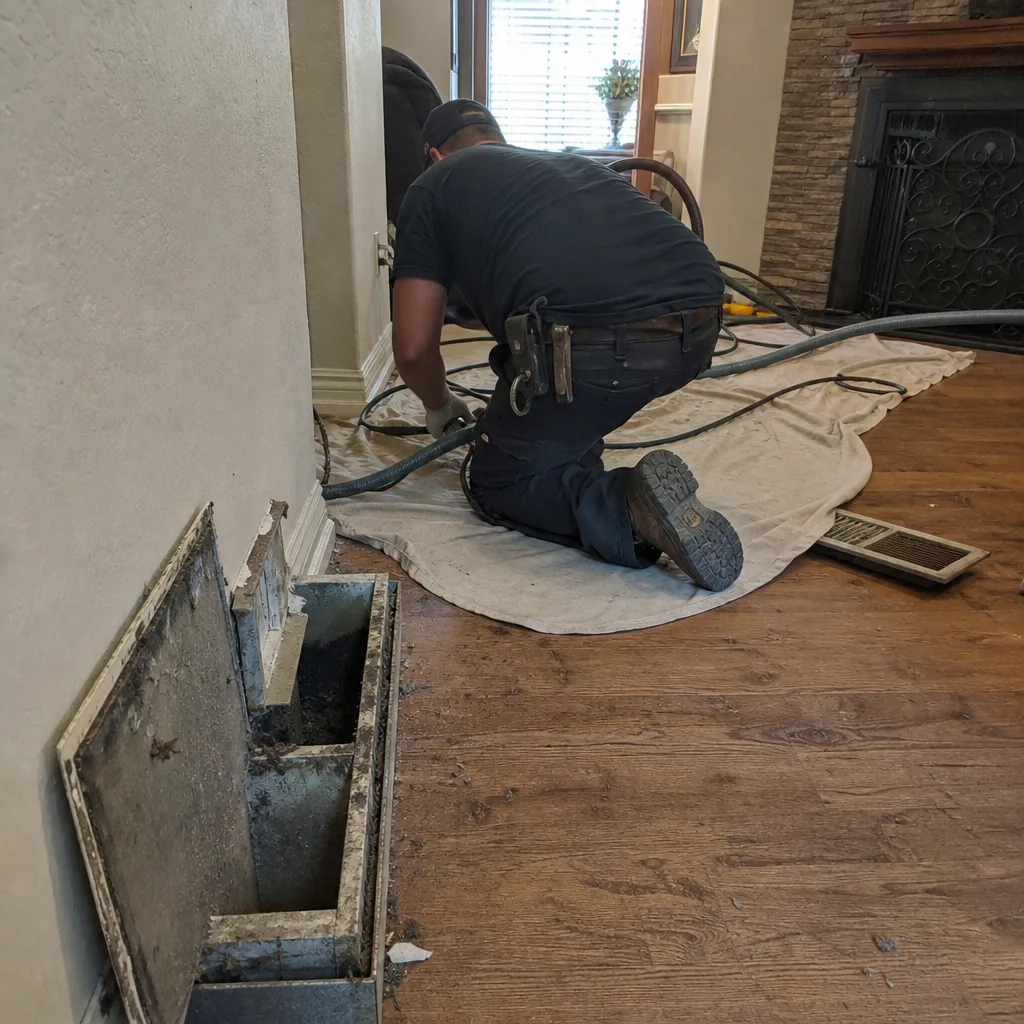 Before
 After
AfterThe Complete Guide to Air Duct Cleaning in Dallas
A 2,400-square-foot Dallas home averages 18-22 individual duct runs. A standard $79 coupon job photographs zero of them. We’ve been in Dallas homes since 2013 where the customer was certain their ducts had been cleaned - they had a receipt to prove it - yet our camera showed debris build-up at the first elbow that predated the previous service by years. The problem wasn’t dirty ducts alone. It was dirty ducts plus a documentation gap. This guide explains what complete air duct cleaning actually involves in Dallas, how to tell whether you’re paying for a process or just a truck visit, and what written deliverables you should receive before anyone leaves your driveway.
Quick Answer
Complete air duct cleaning in Dallas costs $400-$900 for a typical single-system home and should include negative-pressure source removal of every duct run, register, return, and the air handler cabinet, plus photographic documentation of each component before and after. Anything less is partial cleaning with no proof of completion.
Table of Contents
- What a Complete Duct System Inventory Looks Like
- How Dallas Soil and Foundations Create Unique Debris Profiles
- Negative-Pressure Source Removal vs. Shop-Vac Contact Cleaning
- What Photographic Documentation Should Actually Show
- How to Read a Cleaning Invoice: Process vs. Visit
- What Air Duct Cleaning Costs in Dallas
- How Often Dallas Homes Actually Need Duct Cleaning
- Choosing a Duct Cleaning Company in Dallas
BeforeAfterWhat a Complete Duct System Inventory Looks Like
Most Dallas homeowners know they have “ducts.” Fewer can name the components that must all be addressed for cleaning to be complete. A partial job is worse than no job - it disturbs debris in some runs while leaving others intact, and the disturbed material often resettles within weeks.
A complete inventory for a typical Dallas home includes:
- Supply registers and boots: The visible grilles on your floors, walls, or ceilings, plus the short vertical or horizontal duct (the boot) that connects each register to the main trunk line. These collect the most visible debris - hair, dust, toy fragments - but they’re also the easiest to clean. A job that stops here is not duct cleaning. It’s register vacuuming.
- Return air grilles and return ductwork: The larger grille(s) where air is drawn back to the air handler. Returns are often dirtier than supplies because they lack the final filter protection. In Dallas, we regularly see return trunks in older Lakewood and M-Streets homes with 2-3 inches of accumulated debris because previous cleaners never opened the return plenum.
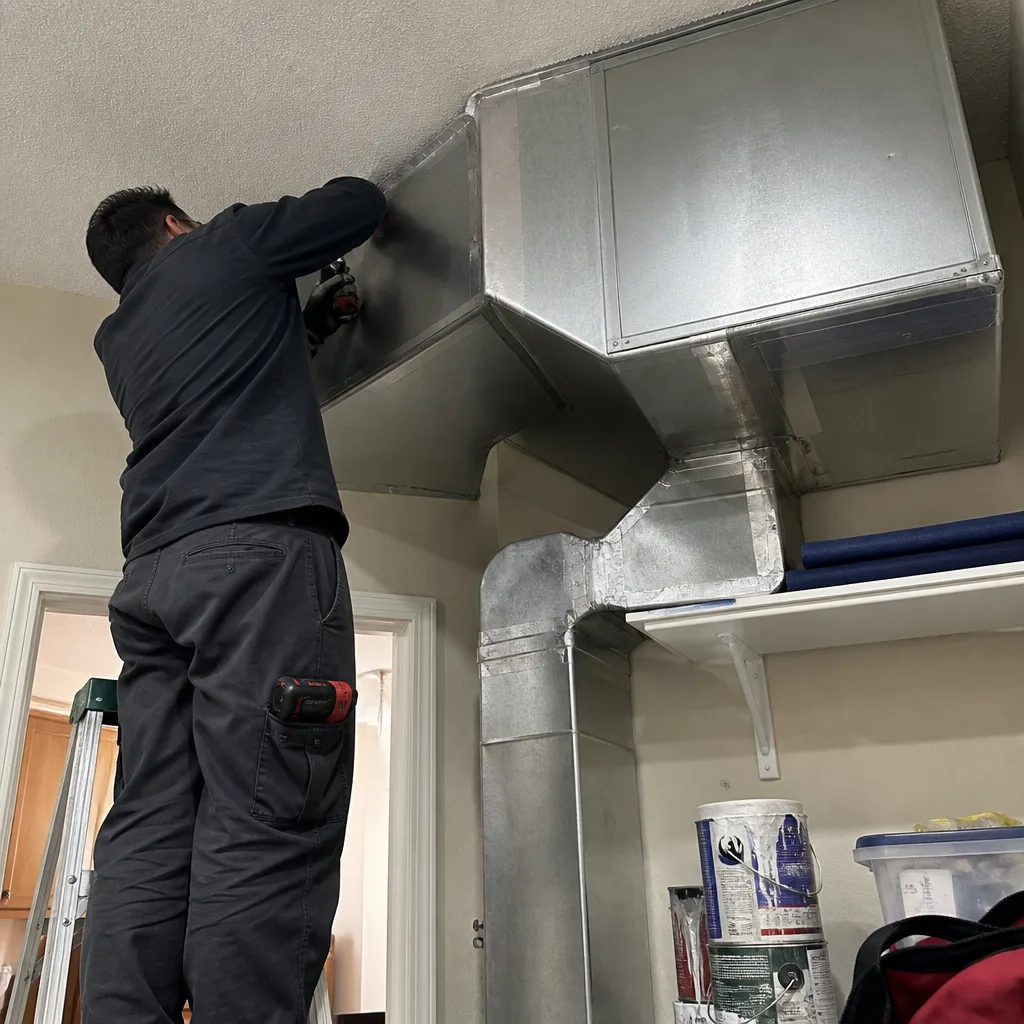
- Trunk lines: The main horizontal ducts, typically 8-14 inches in diameter, that run through your attic, crawl space, or basement. These are the highways of your system. If they’re not cleaned, the branch runs (the smaller ducts leading to individual rooms) will recontaminate within months.
- Branch runs: The individual ducts - usually 6 inches round or 4×10 rectangular - that serve each room. A 2,400-square-foot home typically has 18-22 of these. Each must be accessed and cleaned independently.
- Plenum: The sheet-metal box directly attached to your air handler (furnace or air conditioner) that distributes conditioned air into the trunk lines. The plenum is where temperature mixing occurs, and it’s often the most debris-heavy component because all air passes through it.
- Air handler cabinet: The interior of the furnace or air handler itself, including the blower compartment, evaporator coil housing, and filter rack. This is HVAC cleaning territory, but it’s integral to complete duct system hygiene. HVAC Cleaning in Dallas addresses this specifically.
At CleanRun, our written scope for every Dallas job lists each component by name, with a checkbox for “cleaned and photographed” or “not present on this system.” Haven Standard Clause 1 requires this written scope to be delivered before work starts. The customer signs it. The crew cannot deviate without a written change order.
We’ve documented homes in Preston Hollow where four previous “cleanings” never touched the return trunk. The customer had four receipts. They also had four years of accumulated debris in the one duct that moves the most air volume in the house. That’s the documentation gap in practice.
How Dallas Soil and Foundations Create Unique Debris Profiles
Dallas sits on the expansive Blackland Prairie clay soils that shrink and swell dramatically with moisture changes. This geology doesn’t just crack foundations. It creates specific debris profiles inside ductwork that differ from slab-foundation homes in Houston, Austin, or Phoenix.
Here’s what we find in Dallas homes that we rarely see elsewhere:
- Insulation fragments from pier-and-beam crawl spaces: Many Dallas homes built between 1950 and 1985 - concentrated in neighborhoods like Kessler Park, Oak Cliff, and parts of East Dallas - have pier-and-beam foundations with crawl space duct runs. When the clay soil shifts, the flexible duct connections separate slightly, drawing fiberglass insulation particles into the system. Our cameras show glittering fiber masses in these homes that are absent from slab-foundation construction.
- Soil particulate through slab penetrations: In slab homes, which dominate Dallas construction after 1985, the ductwork runs through the attic. But the return air path often includes a central return plenum dropped through a slab penetration or wall chase. When the clay soil dries and shrinks - common in Dallas Augusts - micro-gaps form at these penetrations, drawing fine soil particulate into the return stream. The debris is mineral, not organic, and it doesn’t respond to standard vacuuming without agitation.
- Construction debris from the 2015-2025 building boom: Dallas-Fort Worth led the nation in new home construction during this decade. We’ve photographed new-construction ducts in Frisco, McKinney, and Dallas proper with drywall dust, wood chips, and fastener debris that the builder’s rough clean never addressed. These materials are abrasive to blower motors and don’t degrade naturally.
- Pollen loading from Texas vegetation: Dallas’s tree canopy - live oaks, cedar elms, pecans - produces pollen loads that exceed national averages. The pollen enters through fresh-air intakes and door gaps, accumulates in ductwork, and binds with humidity during cooling season to form adherent layers that require mechanical agitation to remove.
In our experience, a Dallas home’s debris profile predicts the cleaning method more accurately than its age. A 1960s pier-and-beam home in Lakewood needs different equipment attention than a 2019 slab home in Bishop Arts, even if both show the same register dust. We adjust our approach - brush type, vacuum CFM, agitation intensity - based on what the initial camera inspection shows. The written scope reflects this. The customer sees the debris profile before we quote the method.
Negative-Pressure Source Removal vs. Shop-Vac Contact Cleaning
The duct cleaning industry has two fundamentally different approaches. One removes debris from the entire system. The other cleans what a vacuum hose can touch. The difference determines whether your $400-$900 purchases lasting results or a temporary register wipe.
Negative-Pressure Source Removal
This is the method recognized by the National Air Duct Cleaners Association (NADCA) and specified by most equipment manufacturers. Here’s how it works:
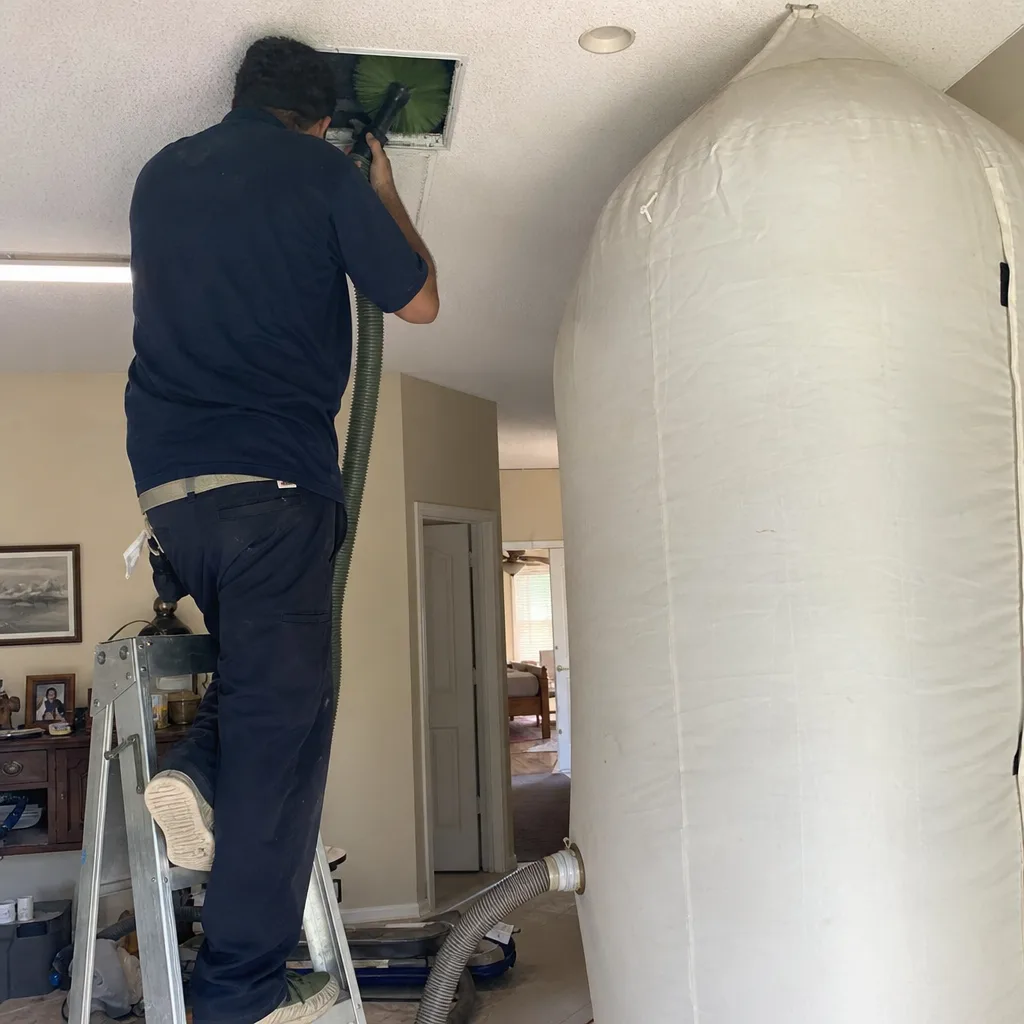
- A large vacuum collection device - typically mounted on a truck or portable unit producing 5,000+ CFM - connects to the trunk line near the air handler, creating negative pressure throughout the system.
- Access ports are cut into the trunk line and individual branch runs at strategic points. These are sealed after cleaning; they’re not damage, they’re standard procedure.
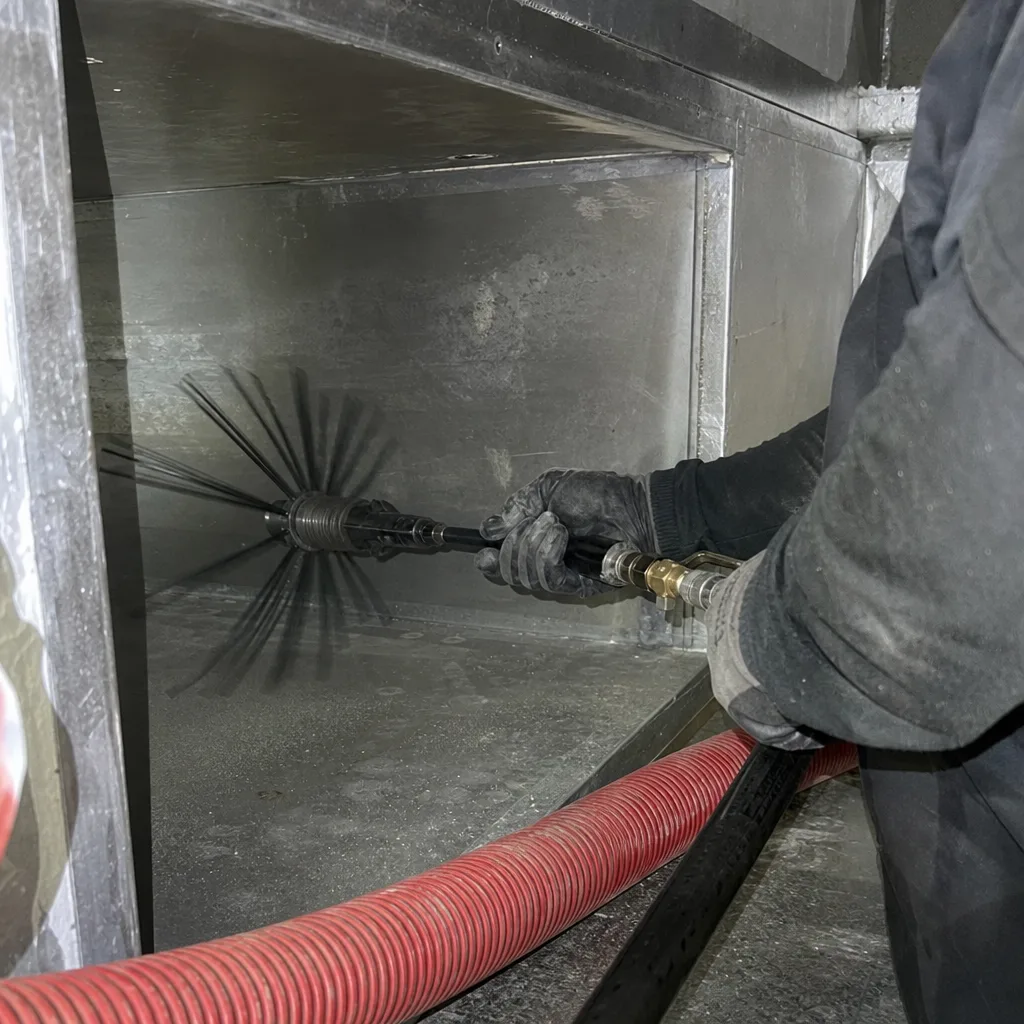
- Mechanical agitation tools - rotary brushes, air whips, or compressed-air skipper balls - are inserted through each access port and moved through the full length of each duct run. The agitation dislodges adhered debris; the negative pressure captures it at the collection point before it can escape into the home.
- Each component - register, boot, branch, trunk, plenum - is addressed in sequence, with the vacuum running continuously to maintain negative pressure.
What this method reaches: the full interior surface of every duct run, including elbows, reducers, and dampers that a contact vacuum cannot access. What it requires: proper equipment (Rotobrush, Nikro, or Abatement Technologies systems), trained technicians, and time - typically 3-5 hours for a complete single-system home.
Shop-Vac Contact Cleaning
This is what the $79 coupon delivers. A technician brings a portable wet/dry vacuum, removes each register, and inserts the hose as far as arm’s length allows - typically 6-10 feet into a branch run that may be 20-40 feet long. There’s no system-wide negative pressure. No mechanical agitation. No access ports.
What this method reaches: the first few feet of each branch run and the register boot. What it misses: the mid-run and trunk-line debris that constitutes the majority of system accumulation. What it risks: disturbing debris in the reachable zone without capturing it, allowing resettlement throughout the home when the system restarts.
We’ve been called to homes in University Park and Highland Park where the customer had three “cleanings” in five years, all shop-vac methods, and our camera showed the same pre-2010 debris layer in the trunk line on every visit. The customer paid three times for the same incomplete service because no documentation existed to prove what had or hadn’t been done.
At CleanRun, we use Nikro and Abatement Technologies negative-pressure systems on every Dallas job. The equipment roster is named in the written scope. Customers can verify specifications independently.
What Photographic Documentation Should Actually Show
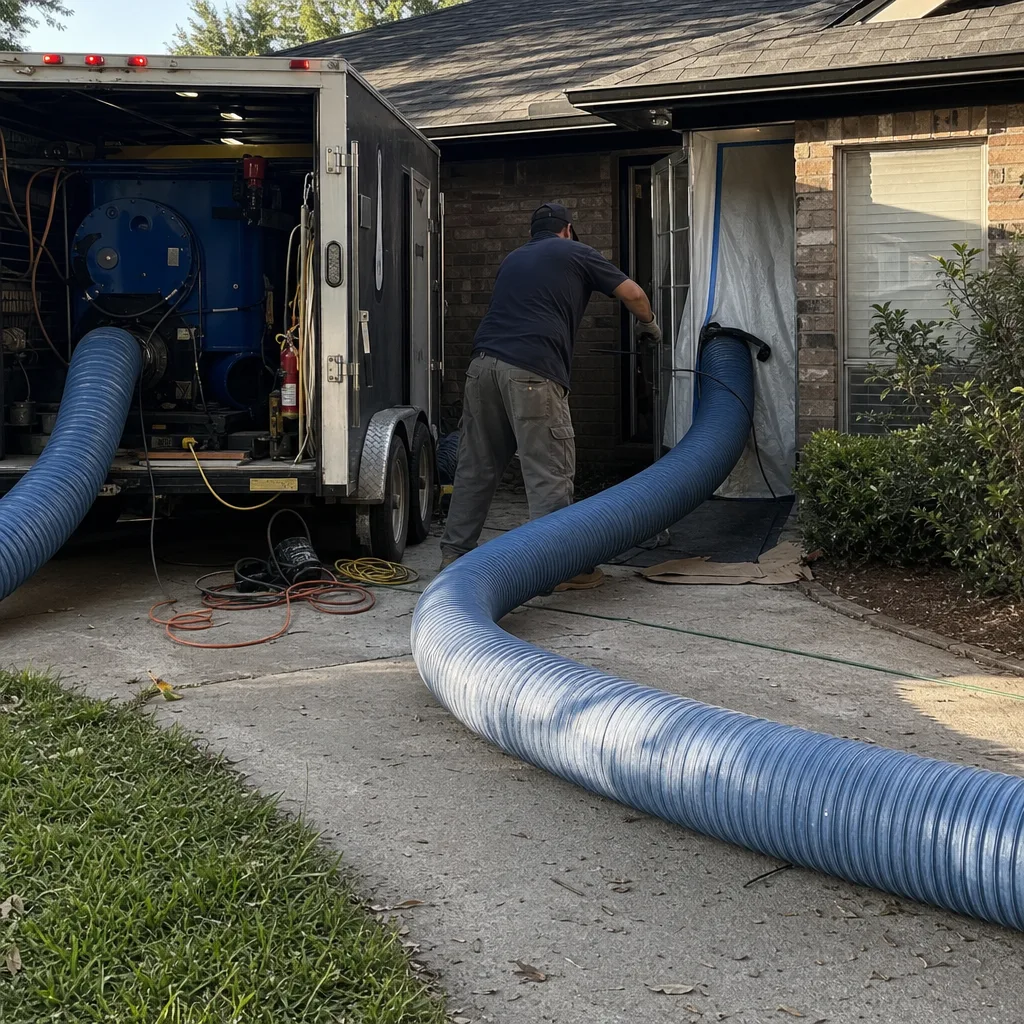
The photography matters because it’s the only proof that distinguishes a process from a visit. A receipt proves someone came. Photos prove what they did. Here’s what complete documentation includes:
Register boot photography: Before and after images of the boot interior, showing the transition from register to branch run. This is the minimum acceptable documentation. Most $79 jobs don’t even provide this.
Mid-run camera footage: The critical evidence. A borescope or inspection camera inserted 10-20 feet into the branch run, showing the duct interior at a point the technician’s arm cannot reach. This is where shop-vac cleaning fails and negative-pressure source removal succeeds. The mid-run image should show clean metal or flex duct with no visible debris layer.
Trunk line photography: Images taken through access ports, showing the interior of the main supply and return trunks. These are the largest ducts and the most likely to be skipped in partial jobs.
Plenum and air handler images: Before and after documentation of the plenum interior and blower compartment. These components affect air quality directly - all conditioned air passes through them - yet they’re often excluded from “duct cleaning” scopes.
Written photo log with timestamps: Each image labeled by location, date, time, and technician ID. This creates an auditable record that can be referenced if questions arise later.
CleanRun’s Documented Photo Record, included on every visit since 2013, delivers all five elements. The customer receives the complete set as a standard deliverable, not an upsell. Haven Standard Clause 4 requires retention of these records for the duration of the 365-Day Done Right Promise.
We encourage Dallas homeowners to request photo documentation from any company they’re considering. Ask specifically: “Will I receive mid-run images of every branch, or only register boots?” The answer reveals whether the service is source removal or contact cleaning with better marketing.
How to Read a Cleaning Invoice: Process vs. Visit
The invoice is where bait-and-switch lives. A low quote becomes a high final bill through add-ons that were “discovered” after work began. Here’s how to read any duct cleaning invoice to determine what you’re actually paying for.
Line-item scope vs. lump-sum “cleaning”: A process invoice lists each component cleaned: “Supply registers (12), Return grilles (3), Supply trunk, Return trunk, Branch runs (18), Plenum, Air handler cabinet.” A visit invoice says “Whole house duct cleaning - $79” with no component breakdown. The lump sum protects the company, not the customer. You cannot verify completion against an undefined scope.
Per-vent pricing vs. flat system pricing: Per-vent pricing - “$15 per supply, $25 per return” - incentivizes the company to count vents aggressively and to skip components that aren’t counted. Flat system pricing, agreed in writing before work starts, aligns the company’s incentive with complete cleaning. CleanRun uses flat system pricing under Haven Standard Clause 1. The price covers the system, not the vent count.
Equipment charges as add-ons: “Rotary brush - $95 extra,” “HEPA vacuum - $75 surcharge.” Professional equipment is the cost of doing business, not an optional upgrade. These charges indicate the base price was never viable for complete service.
Sanitizing as a mandatory upsell: Chemical sanitizing has legitimate applications - after rodent infestation, for instance - but it’s not standard procedure for routine cleaning. An invoice that bundles sanitizing as required, or presents it as a “health necessity” discovered mid-job, signals sales pressure, not technical necessity.
Photo documentation line item: If photography is listed as an extra charge, the company treats proof as optional. Documentation should be standard. At CleanRun, it’s included; we don’t offer a no-photo discount because we won’t perform undocumented work.
Warranty language: “Satisfaction guaranteed” means nothing without specificity. Look for: duration (365 days, not 30), scope (what’s covered - re-cleaning, repair, refund?), and process (how is a claim initiated and resolved?). CleanRun’s 365-Day Done Right Promise specifies all three in writing on every invoice.
We offer a Free Second Opinion on any written estimate - bring a competitor’s quote, and we’ll put our line-item scope next to it in writing, no charge. The comparison usually reveals what’s missing from the lower price, not what’s extra in ours.
What Air Duct Cleaning Costs in Dallas
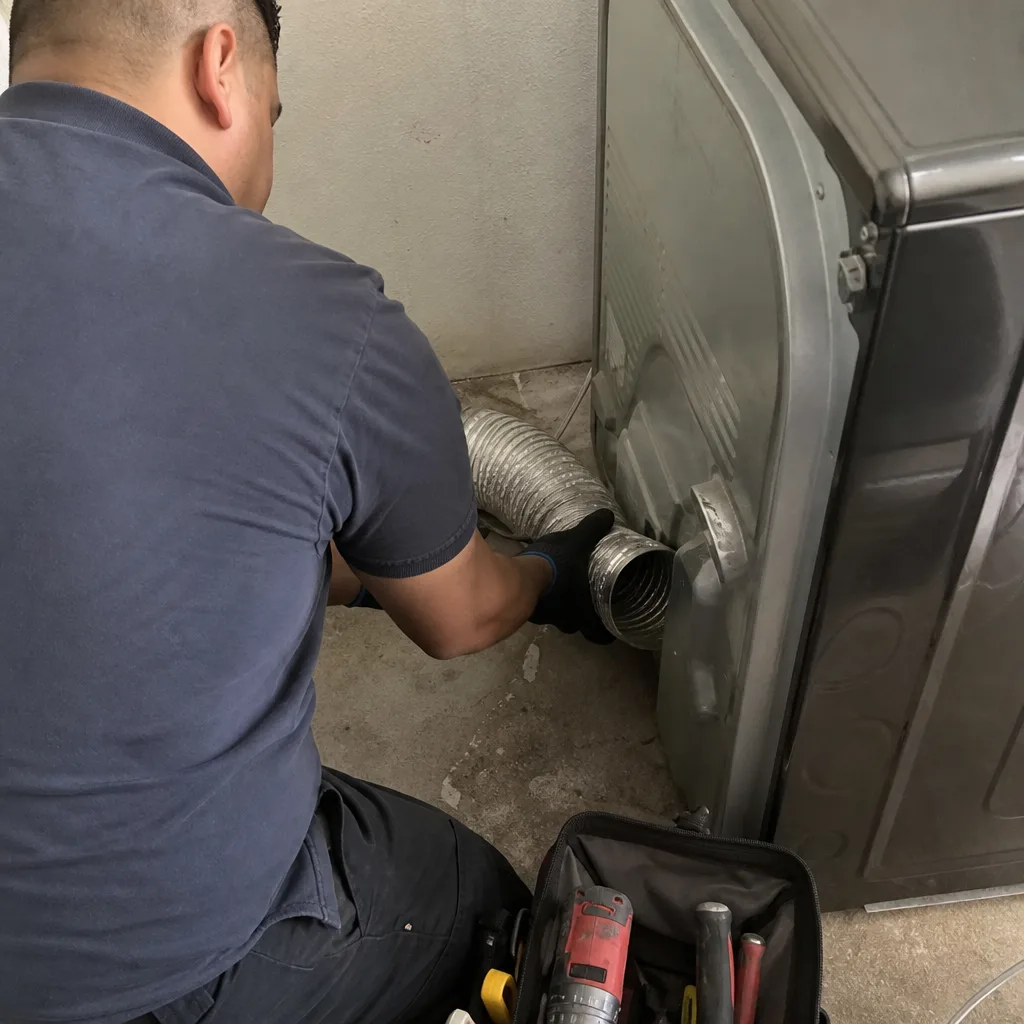
Honest pricing for complete air duct cleaning in Dallas follows from the scope, method, and documentation standards described above. Here’s what we’ve observed in the Dallas market and what CleanRun quotes for typical homes:
| Home/System Type | Complete Cleaning Range | Typical Time Required |
|---|---|---|
| Single-system home, 1,500-2,500 sq ft, slab foundation | $400-$650 | 3-4 hours |
| Single-system home, 2,500-3,500 sq ft, pier-and-beam or complex attic routing | $550-$850 | 4-5 hours |
| Dual-system home or zoned system | $800-$1,200 | 5-7 hours |
| New construction pre-occupancy cleaning | $350-$550 | 2.5-3.5 hours |
| Post-renovation cleaning (drywall dust, construction debris) | $500-$900 | 4-6 hours |
These ranges reflect complete negative-pressure source removal with photographic documentation, not shop-vac contact cleaning. The lower end of each range assumes straightforward access; the higher end includes pier-and-beam crawl space work, complex attic routing common in older Dallas neighborhoods, or heavy debris loading requiring extended agitation time.
What affects price legitimately:
- Foundation type: Pier-and-beam homes require crawl space access, protective equipment, and often additional safety protocols. Dallas’s clay soil makes crawl space work more physically demanding than slab construction.
- Duct material: Flexible duct (common in 1980s-2000s Dallas construction) requires lower-agitation methods to avoid damage, extending cleaning time. Rigid metal duct allows more aggressive agitation and faster completion.
- Accessibility: Attic access through a small scuttle hole vs. a pull-down stair; cramped crawl spaces in 1940s-1960s East Dallas homes; finished basement ceilings in newer construction. Each affects labor time.
- Contamination type: Routine dust and pollen vs. rodent infestation, water damage, or heavy construction debris. The latter may require additional containment, disposal, or repair work before cleaning can proceed.
What should never affect price after the written quote: “discovered” debris, mandatory sanitizing, equipment surcharges, or per-vent additions. Haven Standard Clause 1: the written price is the price. If we encounter a condition that genuinely changes scope - a collapsed duct we couldn’t see in initial inspection, for instance - we stop, photograph, explain, and obtain a signed change order before proceeding. The customer controls the decision.
Call (469) 405-6133 for a written estimate on your specific Dallas home. Estimates are free, detailed, and delivered before any commitment.
How Often Dallas Homes Actually Need Duct Cleaning
The “every 3-5 years” rule repeated online ignores Dallas-specific factors that accelerate or extend this timeline. Here’s our observed frequency based on 52,000+ homes served since 2013:
Every 2-3 years: Homes with pets (especially multiple shedding animals), homes with smokers, and homes in new construction areas during active building phases. The 2015-2025 Dallas building boom created ambient construction dust that loads systems faster than established neighborhoods. We’ve seen Frisco and Prosper homes need cleaning at 18 months because neighboring lots were still under active construction.
Every 3-5 years: Standard single-family homes with no pets, no smoking, and routine filter changes. This is the baseline for Dallas’s climate, which combines heavy pollen seasons with extended air conditioning operation that keeps ducts humid and debris-adherent for six months annually.
Every 5-7 years: Homes with high-MERV filtration (MERV 13+), whole-house air cleaners like Aprilaire or Honeywell media systems, and diligent filter maintenance. The equipment investment extends cleaning intervals measurably. Air Duct Cleaning in Dallas can assess whether your filtration upgrades have changed your maintenance timeline.
Event-triggered (not calendar-based): Renovation completion, rodent or insect infestation resolution, water damage restoration, or HVAC system replacement. These events introduce contamination that calendar scheduling won’t catch.
The honest indicator isn’t the calendar. It’s the camera. If a borescope inspection shows debris accumulation exceeding 1/8 inch on duct surfaces, cleaning is warranted regardless of elapsed time. If the camera shows clean metal, waiting is appropriate. We offer camera inspections as a standalone service for Dallas homeowners who want evidence-based scheduling rather than arbitrary intervals.
Choosing a Duct Cleaning Company in Dallas
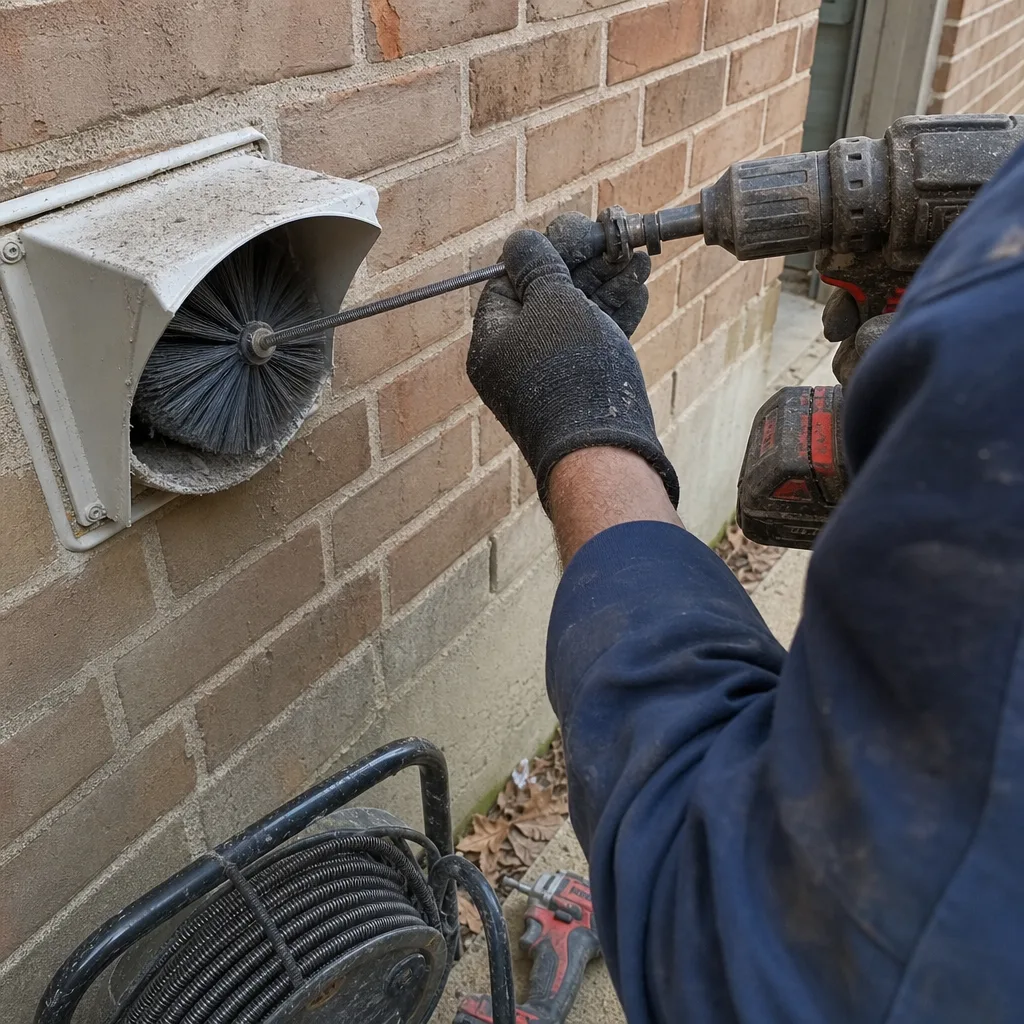
The Dallas market includes national franchise operations, independent contractors, HVAC companies adding duct cleaning as a sideline, and specialists like CleanRun. Here’s how to distinguish them on factors that predict service quality:
Published license and insurance: Texas requires air duct cleaning companies to hold appropriate state licensing. The number should appear on the website, not buried in a footer or available “on request.” CleanRun publishes our license number and maintains general liability and workers’ compensation coverage. Haven Standard Clause 3: Verified Crews requires background checks and uniformed, identified technicians.
Equipment specificity: A company that names its equipment - Rotobrush, Nikro, Abatement Technologies - demonstrates transparency. A company that describes “professional-grade equipment” without naming brands may be using consumer-grade shop vacuums. Ask directly: “What vacuum CFM does your system produce?” A number below 2,000 CFM indicates portable equipment inadequate for complete source removal.
Documentation commitment: Ask to see a sample photo record from a previous job (with customer-identifying information redacted). A company that cannot produce this has never done it. Our sample records are available for review; they show the five-element standard described earlier.
Written price protocol: “Call for a quote” means variable pricing based on what the technician observes. “Written price before work starts” means the company has defined its scope tightly enough to commit. This is Haven Standard Clause 1, and we don’t deviate from it.
Physical presence: Does the company have a Dallas-area facility you could visit, or is it a dispatch service routing calls to subcontracted technicians? CleanRun operates from our Dallas location; our trucks, equipment, and records are here. CleanRun Air Duct Cleaning Dallas home provides our address and operating details.
Related service capability: Duct cleaning often reveals repair needs - disconnected boots, damaged flex duct, failed seals. A company that only cleans cannot address these findings. CleanRun provides Dryer Vent Cleaning in Dallas, duct repair and sealing, and air quality services, so the crew that identifies a problem can also fix it without a second dispatch.
Common Mistakes to Avoid
- Booking by price alone: The $79 coupon is mathematically impossible for complete service. At that price, the company loses money on every job unless it skips components, uses minimal equipment, or converts the visit to a high-pressure upsell. We’ve documented the results in Dallas homes for twelve years.
- Accepting verbal scope descriptions: “We’ll clean everything” means nothing. The written scope with component checkboxes is the only enforceable agreement. Without it, you have no basis for dispute if the trunk line was never opened.
- Ignoring foundation type: Dallas pier-and-beam homes need different access protocols than slab homes. A company that treats them identically is likely missing crawl space components or charging uniform prices for unequal labor.
- Skipping dryer vent cleaning: The dryer vent is part of the home’s air management system and a significant fire hazard when lint-accumulated. Many Dallas homes have never had their dryer vent professionally cleaned. Dryer Vent Cleaning in Dallas addresses this specifically.
- Assuming new construction is clean: We’ve photographed construction debris in Dallas new builds that would damage a blower motor within the first year. Builder rough cleans don’t address duct interiors. The “new house, clean ducts” assumption costs homeowners in early equipment failure.
- Neglecting post-cleaning filter upgrade: Cleaning removes accumulated debris. A low-quality filter allows rapid reaccumulation. We recommend MERV 8 minimum, MERV 11-13 for homes with allergy concerns, with the caveat that higher MERV ratings require verified system compatibility to avoid airflow restriction.
- Not requesting the photo record before payment: The documentation is your proof of completion. Obtain it, review it, ask questions about any component that lacks mid-run imagery. A company reluctant to provide this before payment has something to hide.
When to Call a Professional
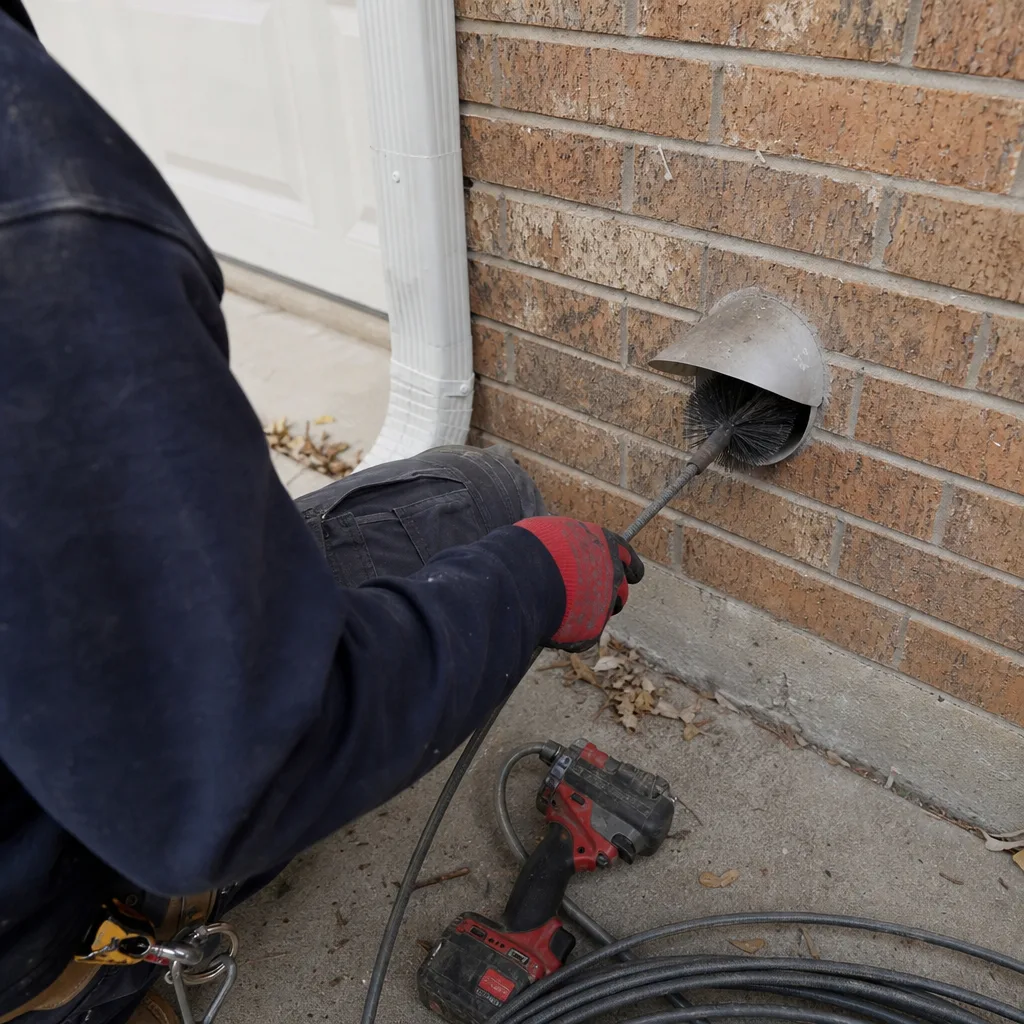
Call a professional when you have evidence of need, not just a calendar reminder. Visible dust emission from registers, reduced airflow in specific rooms, musty odors when the system cycles, or post-renovation debris are all valid triggers. So is any borescope inspection showing significant accumulation.
CleanRun Air Duct Cleaning Dallas offers free estimates in Dallas - call (469) 405-6133. Every estimate includes a written scope with component-by-component pricing, equipment specification, and documentation standards. We provide the information you need to compare us against any competitor, including our Free Second Opinion on any written estimate you bring us.
Frequently Asked Questions
Complete air duct cleaning in Dallas costs $400-$900 for a typical single-system home, with dual-system or complex-access homes ranging to $1,200. This includes negative-pressure source removal of all components and photographic documentation. Quotes below $300 typically indicate partial service or undisclosed add-ons. Call (469) 405-6133 for a written estimate on your specific home.
Low quotes usually reflect shop-vac contact cleaning rather than negative-pressure source removal, or they omit components (trunk lines, plenum, air handler) that complete service requires. The $79 coupon model depends on upselling or incomplete work to be profitable. Ask any low-quote company for their written component checklist and photo documentation standard before comparing prices.
You know through documentation: mid-run camera images of every branch, trunk line photography through access ports, and a written photo log with timestamps. A receipt proves payment, not completion. At CleanRun, the Documented Photo Record is a standard deliverable, not an option, and has been since 2013.
Most Dallas homes need cleaning every 3-5 years, but homes with pets, smokers, or nearby active construction may need service every 2-3 years. Homes with high-MERV filtration and whole-house air cleaners can extend to 5-7 years. The definitive indicator is a borescope inspection, not the calendar.
Yes. Expansive clay soils create foundation movement that separates duct connections in pier-and-beam homes and micro-gaps at slab penetrations in newer construction. Both draw soil particulate and insulation fragments into the system. The debris profile differs from cities with stable geology, and cleaning methods should account for it.
Duct cleaning addresses the distribution network - registers, branch runs, trunk lines, and plenum. HVAC cleaning addresses the air handler itself: blower compartment, evaporator coil, and filter rack. Complete system hygiene requires both. HVAC Cleaning in Dallas covers the equipment-specific service.
Routine sanitizing is not necessary for normal dust and pollen accumulation. It has specific applications: after rodent infestation, water damage, or confirmed microbial growth. We recommend it only when inspection justifies it, not as a standard upsell. The written scope specifies when and why sanitizing is proposed, with customer approval required.
The Bottom Line
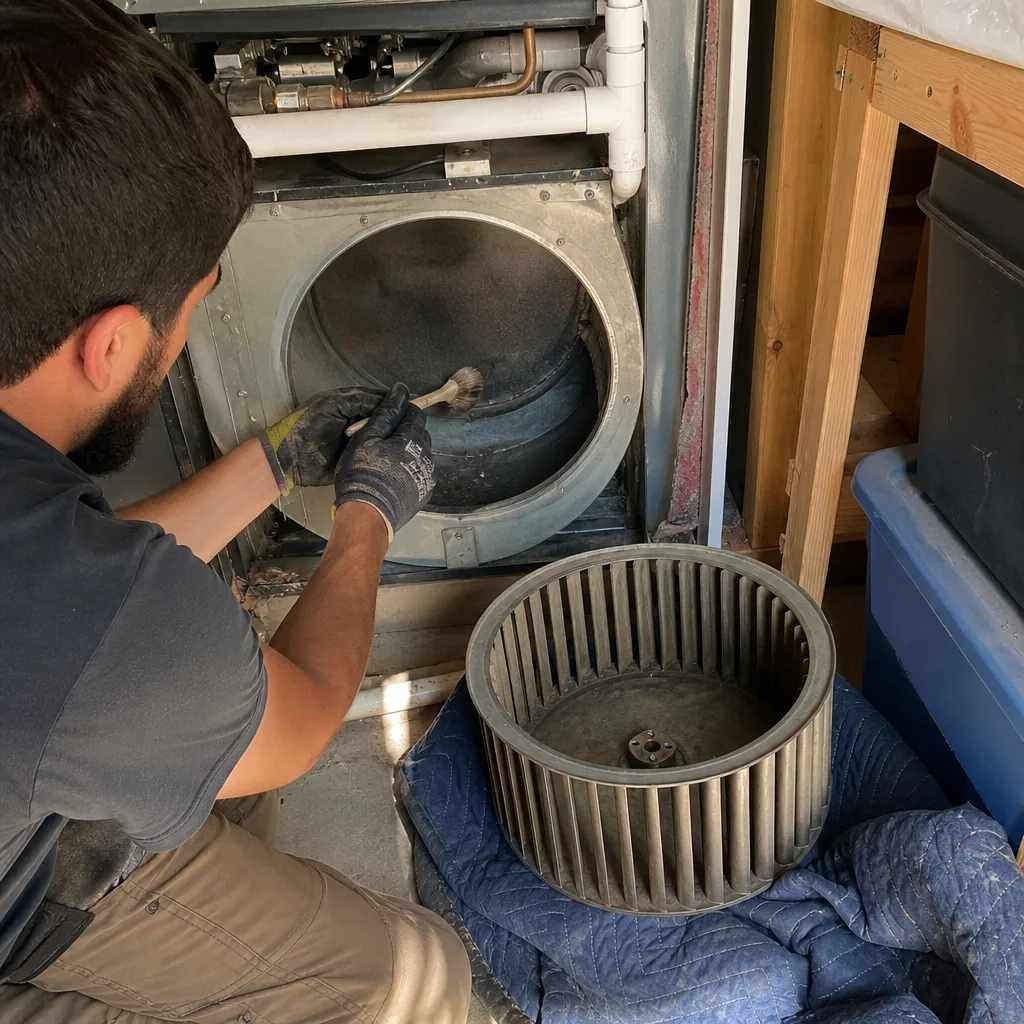
Air duct cleaning in Dallas is not primarily about removing debris. It’s about proving debris was removed. The documentation gap - the absence of photographic evidence, written scope, and guaranteed accountability - is what separates complete service from a truck visit. A 2,400-square-foot home has 18-22 duct runs. Each one matters. Each one can be photographed. And each one should be, because without that record, you have a receipt for work you cannot verify.
CleanRun has operated under this standard since 2013: written price before work starts, documented photo record on every visit, and the 365-Day Done Right Promise backing both. We’ve served 52,000+ homes this way. The number grows because the standard doesn’t change.
Call (469) 405-6133 for a free written estimate. We’ll show you what complete air duct cleaning includes, what it costs for your specific Dallas home, and exactly what documentation you’ll receive before we leave.
Written by Tomas Reyes, Owner at CleanRun Air Duct Cleaning Dallas, serving Dallas since 2013.